
Blog
When even shelters are no longer safe
Three of my friends and colleagues from Kyiv share how they experienced the night of the Russian attack on 24 May: in the hallway of their apartment building, in an overcrowded metro station, among shattered windows, burned-out familiar places, and the exhaustion that followed. Their stories reveal what lies behind the numbers in the news – and why Russian terror must never become normal.
Kseniia Levadna
Public Relations Officer
A normal workday – but make it Ukrainian
What does everyday life in Ukraine mean when meeting friends, going to cafés and working ordinary days exist alongside air raid alerts, explosions and nights spent in the hallway? In Dnipro, an apparently normal Sunday in a café ends with Shahed drones, ballistic missiles and burning residential buildings. The next morning, life goes on while the damage is being cleared and the figures from the attack become known.
Ira Ganzhorn
Humanitarian Aid Officer
Reading Belarus
What would be the first thing that would come to mind thinking of “Belarus”? Would it be potatoes, repression and dictatorship? If so, it’s hardly surprising, for if news makes it out of the country, it’s mostly bad. But what if I told you that there’s a lot more to discover about the country and its people?
Thomas Brennecke
LIBERECO Volunteer
30 Years of Viasna – 40 Years Since Chernobyl: What a Nuclear Disaster Has to Do with Human Rights
When it comes to human rights work in Belarus, the Human Rights Centre Viasna is an indispensable part of the landscape. As the 40th anniversary of the Chernobyl disaster approaches, Viasna is celebrating its own 30th anniversary. This is no mere coincidence...

Florian Wiedemann
Program Manager Belarus
From prison into uncertainty: Belarusian refugees between Asylum, paperwork and fear of deportation
What people go through after being forced to leave their homes, how the German bureaucracy works in practice, and how we try to help exactly where support is urgently needed, but often not sufficient.

Yana S.
Program Manager Legal Help
What does a parcel mean for a political prisoner in Belarus today?
For a person deprived of freedom, a parcel is much more than just a set of food and items. We spoke with former political prisoners and asked them what parcels meant to them.
Aija S.
Advocacy Officer
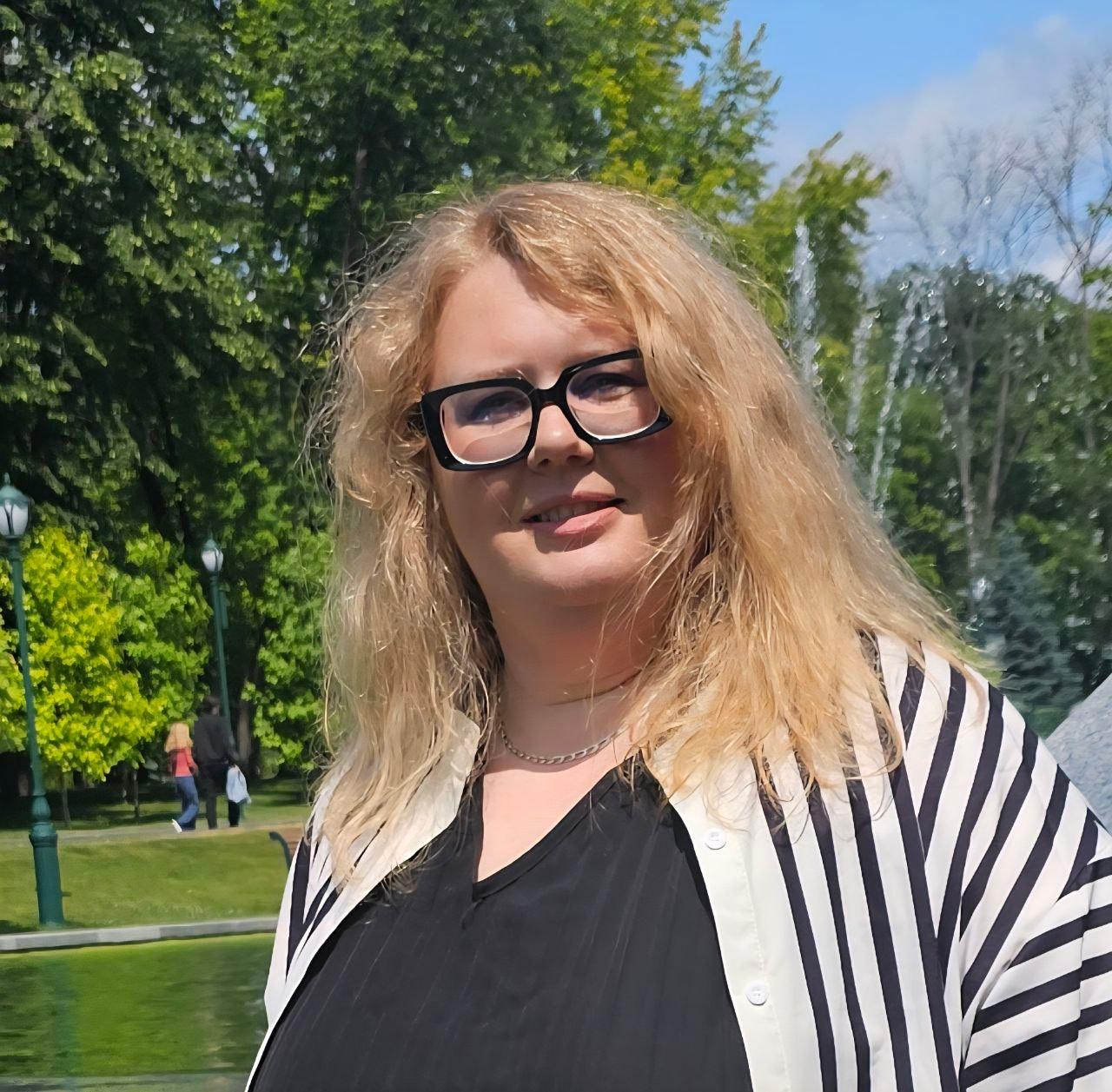
The last train to Kharkiv: Infrastructure under fire
Today is March 18. For the first time in four years of war, Ukrainian Railways has suspended Intercity high-speed service on the Poltava–Kharkiv route.
Dariia Khlebnikova
Project Manager at WBWU in Kharkiv
Stories of 5 seriously ill Ukrainian women in Russian captivity
The exact number of Ukrainian women currently held in Russian prisons is unknown. According to the Office of the Prosecutor General, over 4,000 cases of illegal imprisonment have been opened, affecting around 15,000 civilians.
Kseniia Levadna
Public Relations Officer
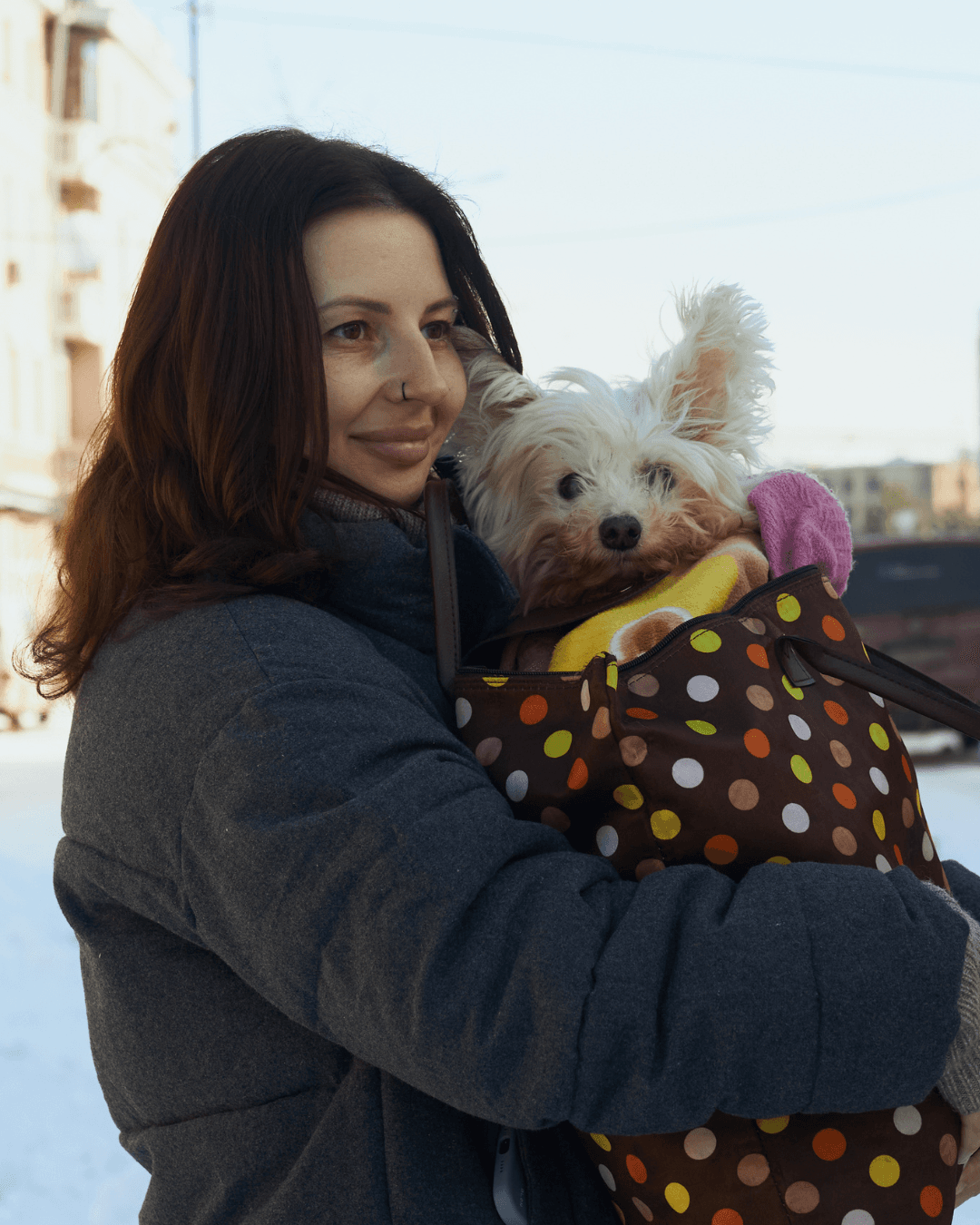
Evacuation as a chance to restore faith that everything will be alright
How medical evacuations take place, the fears people face, why many delay the decision to leave, and how support and care can help restore their hope for the future.
Tetiana Fiial
Paramedic at the charitable foundation “Angels of Salvation”
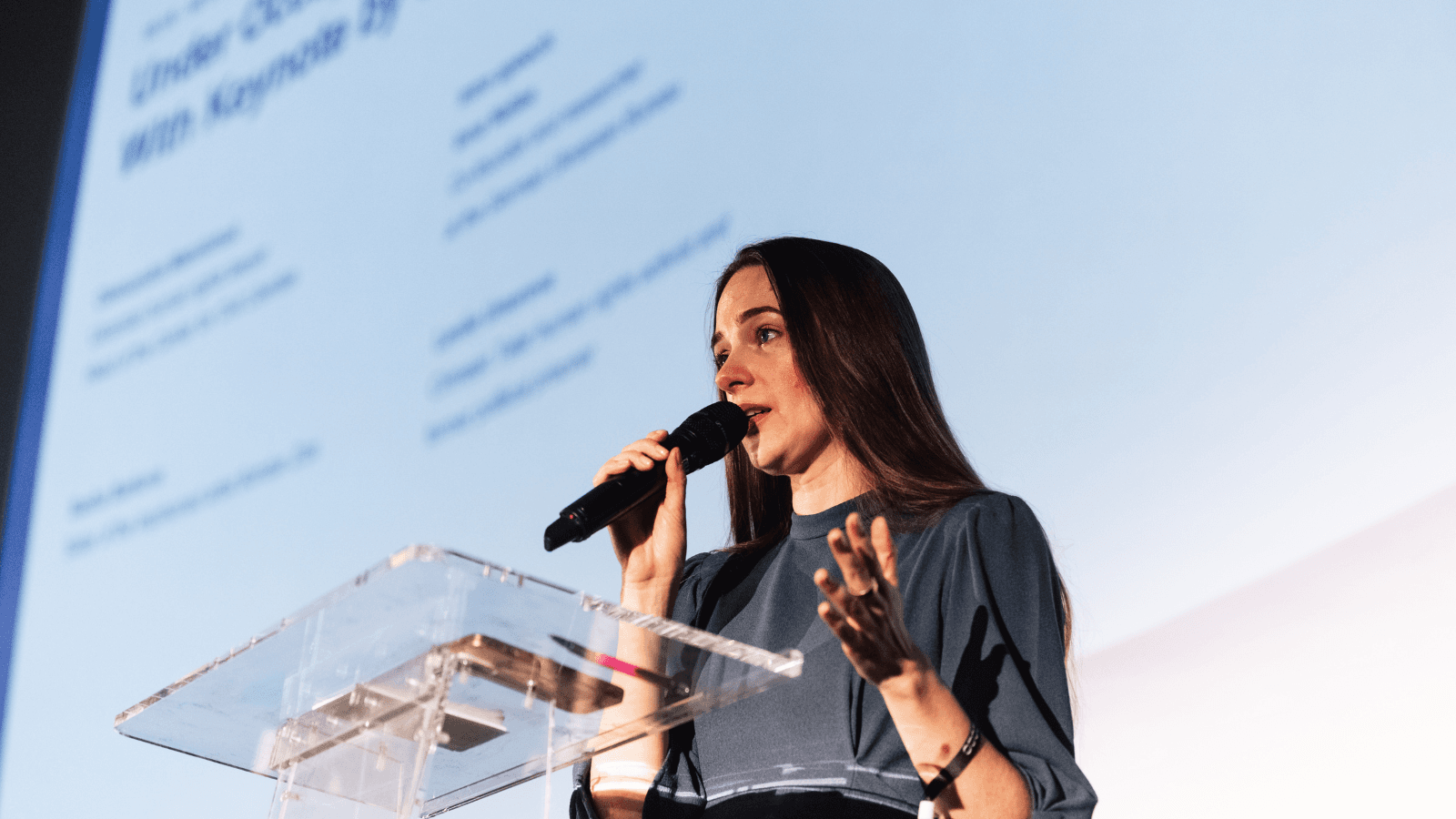
What Russian occupation really means for Ukrainians
When politicians discuss occupied territories during peace negotiations, they speak as if these are empty spaces. But millions of Ukrainians live there. These people are caught in a gray zone with no tools to defend their rights, freedom, property, lives, children, or loved ones.
Oleksandra Matviichuk
Ukrainian human rights lawyer and the head of the Center for Civil Liberties.