
A normal workday – but make it Ukrainian
What does everyday life in Ukraine mean when meeting friends, going to cafés and working ordinary days exist alongside air raid alerts, explosions and nights spent in the hallway? In Dnipro, an apparently normal Sunday in a café ends with Shahed drones, ballistic missiles and burning residential buildings.

Ira Ganzhorn
Humanitarian Aid Officer
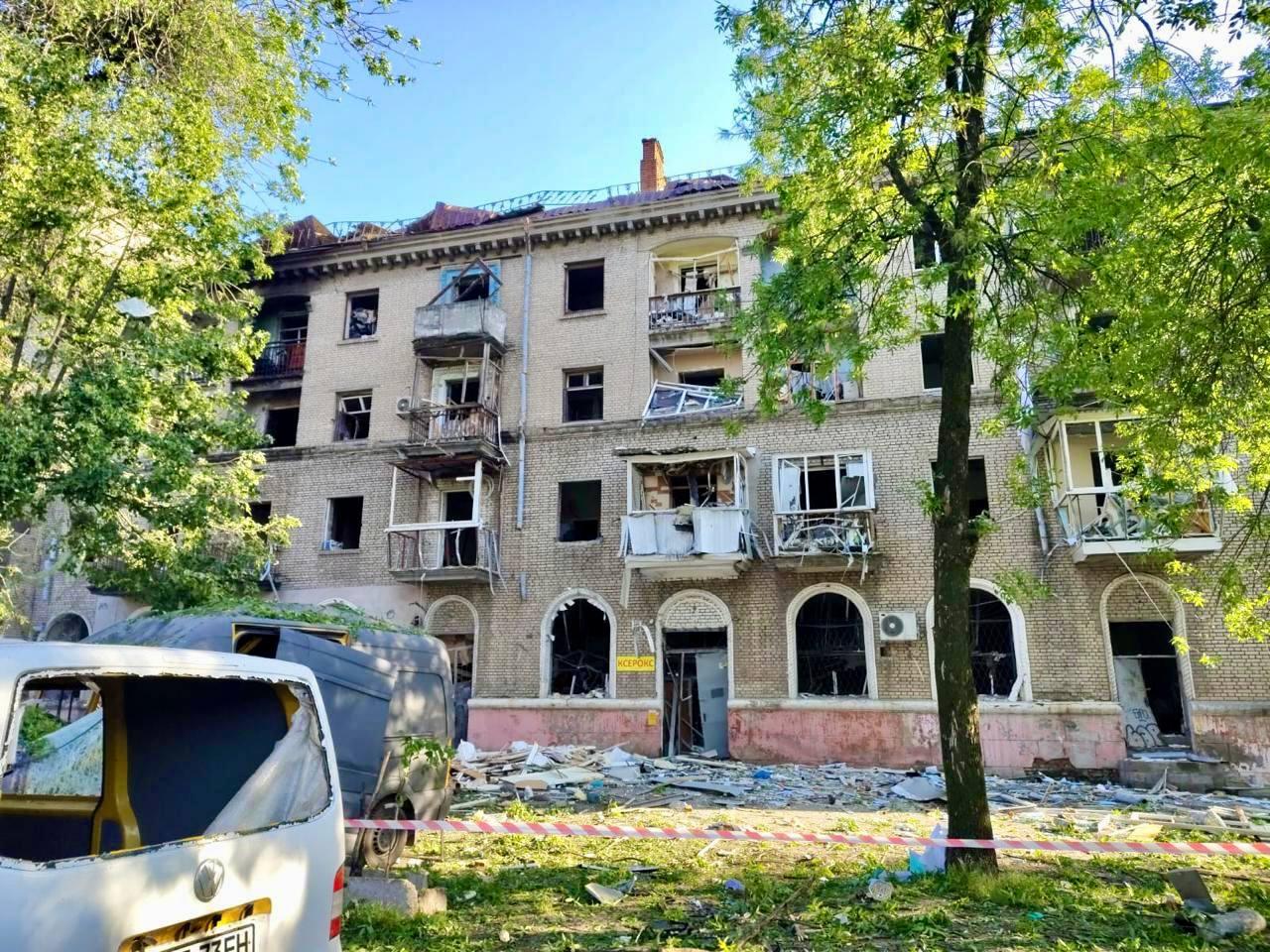
A question I am often asked in interviews or at events is about everyday life. What does daily life look like? Is there such a thing at all? What is still possible, and what is not? Does anything like normality still exist?
Since the beginning of the full-scale invasion, I have found this question very difficult to answer. Constant air attacks, loss and grief are part of my Ukrainian normality.
Spending hours in a basement or hallway is part of my normality.
But so are evenings with friends, walks in the park and visits to the cinema.
My last working day in Dnipro is a Monday. In the afternoon, I will take the intercity train to Kyiv and spend the night there. The next morning, I will board the night train to Hungary, then travel from Hungary to Munich, and from Munich to Berlin. This route alone shows how vastly different Ukrainian everyday life is from daily life in Germany.
On Sunday, I met a colleague who has become a friend. The weather is beautiful, the café serves excellent food — a completely normal Sunday. After a long rain shower, we even joke that the very cloudy sky would be perfect for a large-scale attack.
On my last evening, all that remains is to pack my backpack. I leave my personal emergency medical kit by the front door for the time being — you never know.
Actually, I would like to go to bed early and get some sleep before spending the next 35 hours on trains. But the evening begins with an air raid alert. Dozens of Shahed drones are in our airspace.
Still, I try to calm down and hope that the attack will not last long.
Three Walls Between Us And The Explosions
The first drones reach the city — and with them, the first explosions.
When the roof of a high-rise building within sight begins to burn, my hope for a quiet evening drops to zero. All the neighbours gather in the shared hallway. There, three walls are supposed to protect us from the explosions.
Messages about more and more Shahed drones circulate. The building with the burning roof is hit by another drone.
By now it is well past 1 a.m. The children are asleep in the hallway; we adults doze off, leaning against the wall. For Dnipro, there is a brief all-clear — although drones are still in the air, they are far away from the city.
I return to my apartment. From now, I could still get almost six hours of sleep.
But I cannot stop thinking about the burning roof. A few months ago, I myself stayed with friends in that very building. The first videos and information about the attacks are being shared. Several fires have broken out in the city; the first rescue teams are on site. I compare this information with the places where my friends live, sending and answering the obligatory “Are you alive?” messages.
Only a few minutes after the all-clear, the air raid alert for ballistic missiles begins.
The photos were taken from publicly accessible websites and channels of regional media outlets in Dnipro.
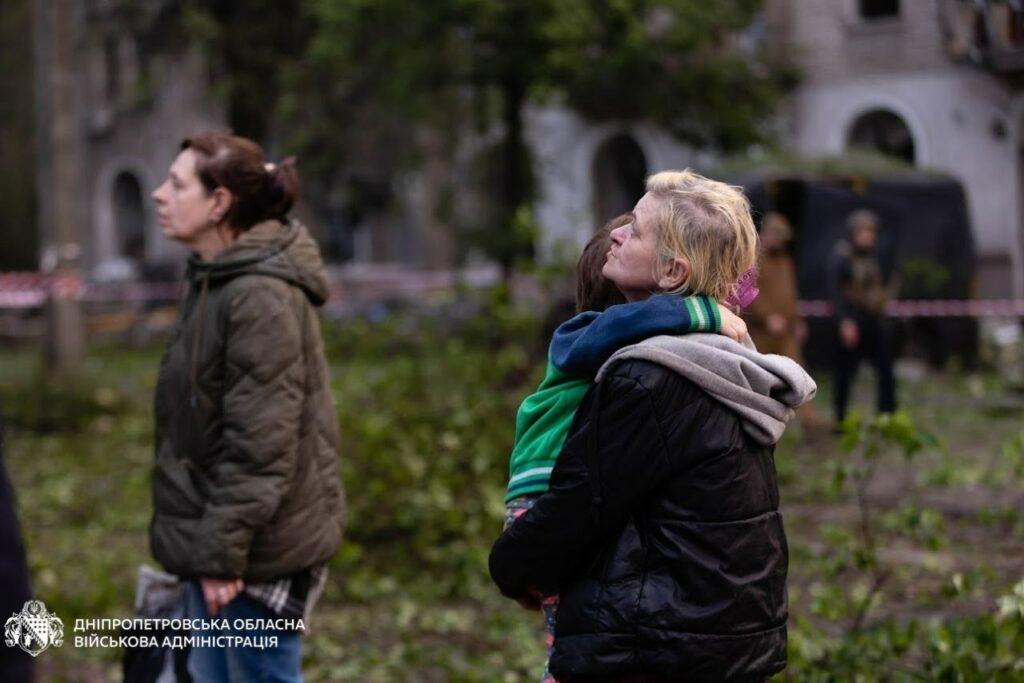
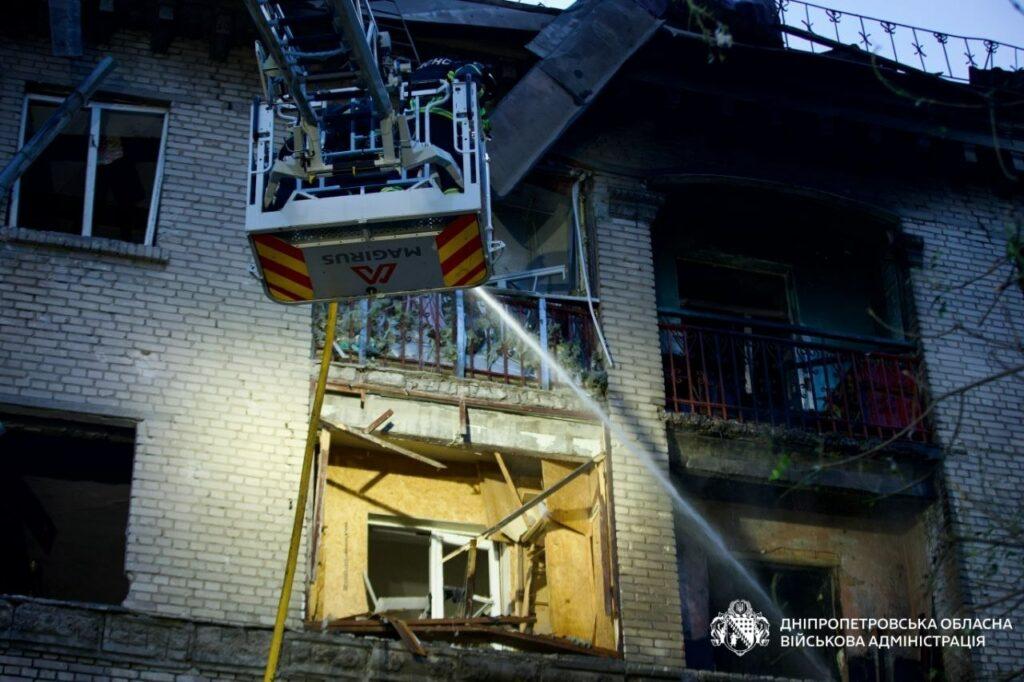
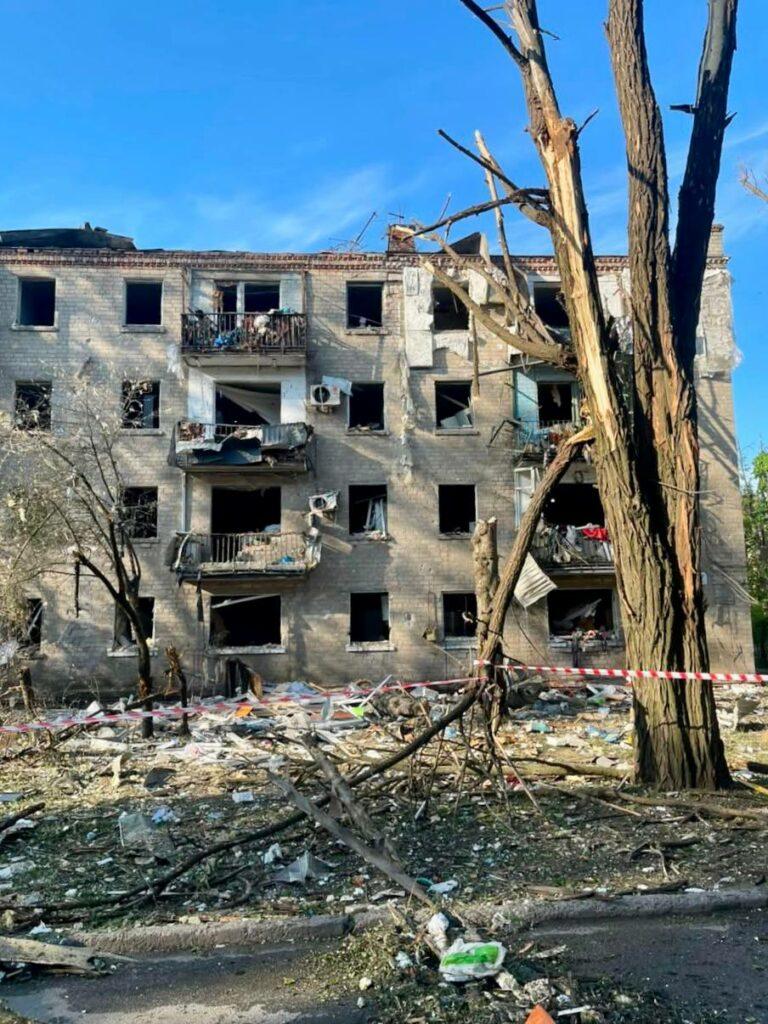
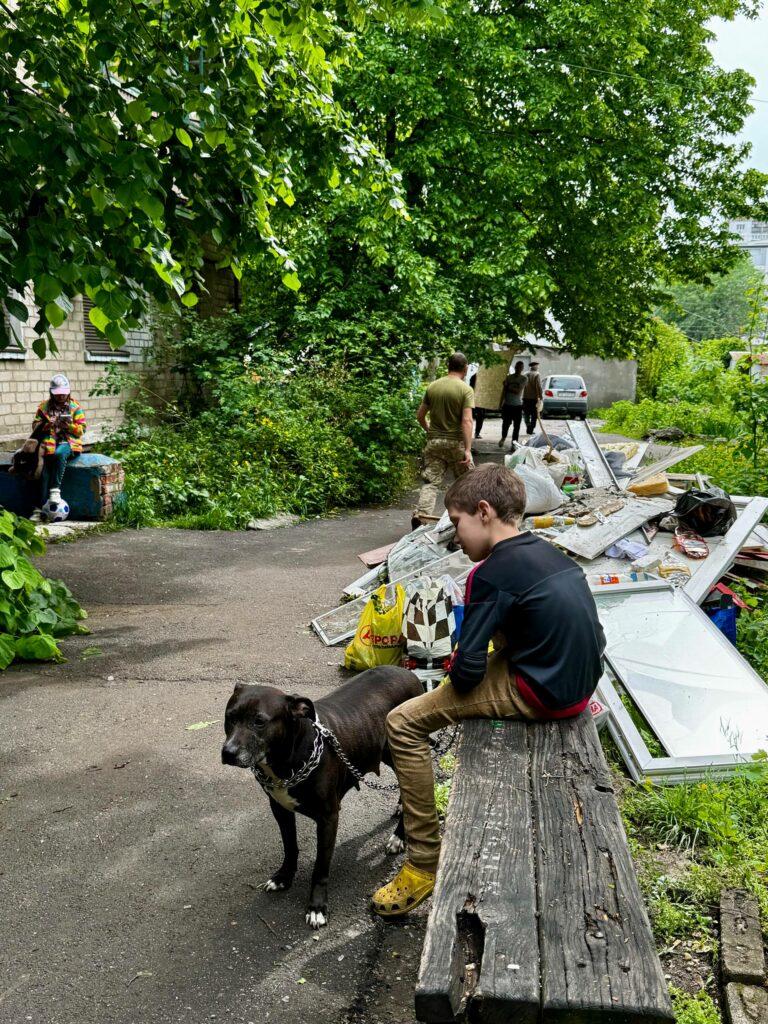
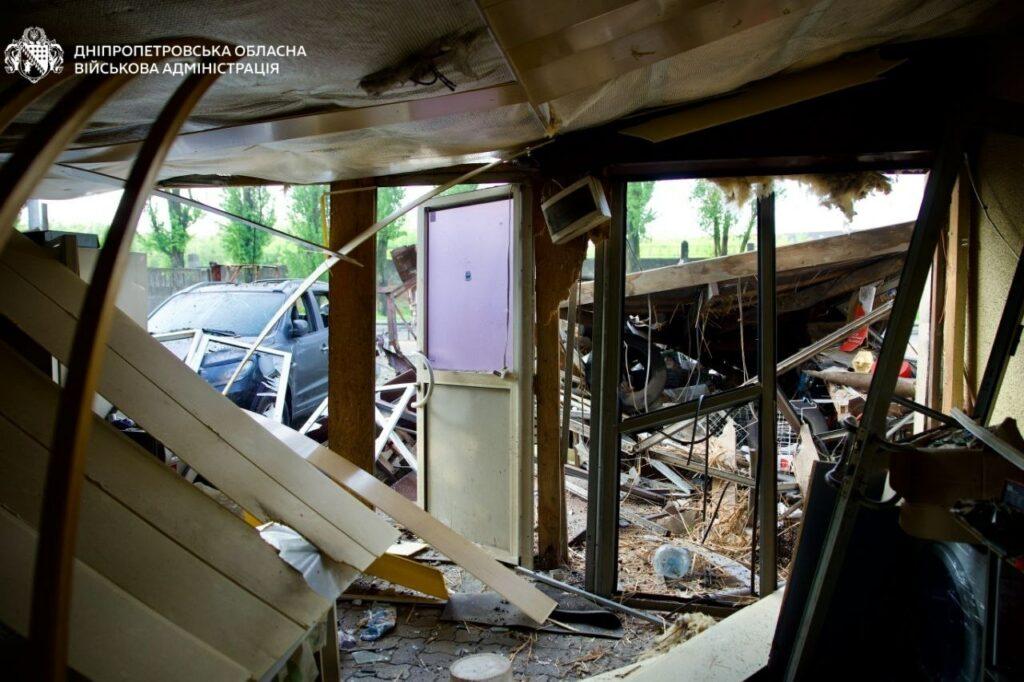
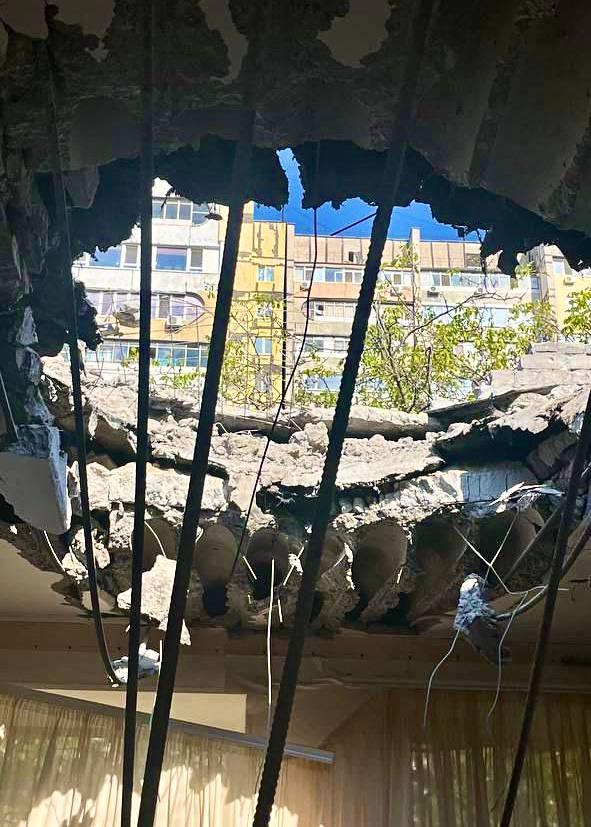
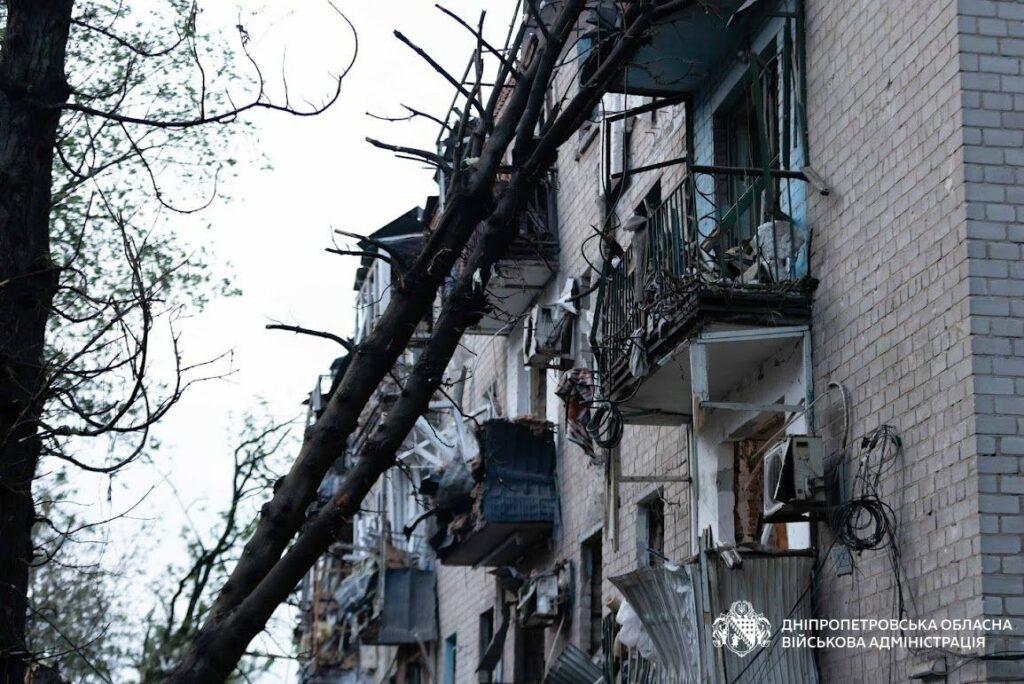
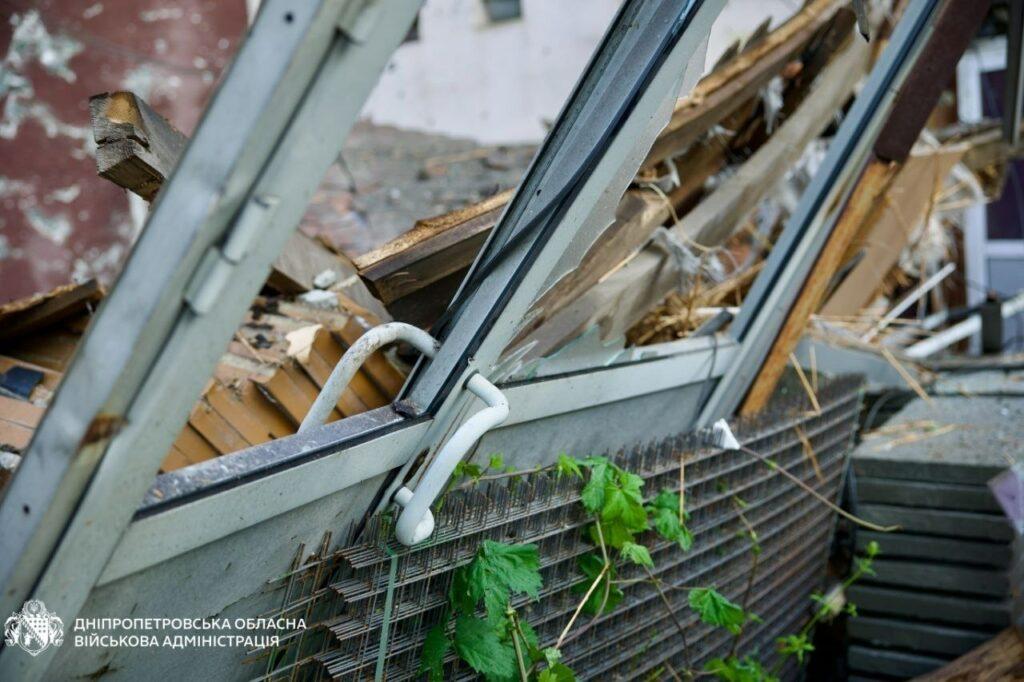
The missiles need three to seven minutes to reach the city. Enough time to briefly close my eyes, breathe in — and, in my case, roll my eyes. Russia really is not leaving anything out tonight.
The first ballistic missile hits within earshot. As so often, the force of the explosion makes the entire building shake. Immediately after the first explosion, three more follow.
Our spontaneously formed hallway community grows nervous.
Normally, there is only one explosion. One missile, one warhead, one explosion.
What we have just heard does not match the logic we know. Our trusted Telegram channels do not yet provide any information about the type of missiles or warheads used. But they do report more missiles heading towards the city.
The next explosions follow the same pattern. After the first blast, three more come within seconds.
“Could that be cluster munitions?” one of the neighbours asks.
A couple comes out of one of the apartments. They have a phenomenal view of the Dnipro River and the city’s left bank. This view regularly turns into an observation post for incoming drones, missiles and Ukrainian air defence. They shake their heads.
“It’s hell out there,” they say.
The attack lasts until 4 a.m. After that, only isolated drones remain in our airspace — a risk I am willing to take for almost four hours of sleep.
The next morning
The next morning, the city comes back to life. The damage from the attacks is being cleared. Public transport announces updated timetables. Ukrainian Railways publishes delays for departing trains.
On my way to the office, I read the figures from the attack:
524 drones.
22 ballistic missiles.
503 drones intercepted.
4 missiles intercepted.
40 apartment buildings were hit, along with two kindergartens, a school, a university building and a tram.
2,000 windows destroyed.
56 people were injured, including three children.
I pack my emergency medical kit — and the answer to the question about my everyday life — at the very top of my backpack.
From

Ira Ganzhorn
Humanitarian Aid Officer