
Blog
A normal workday – but make it Ukrainian
What does everyday life in Ukraine mean when meeting friends, going to cafés and working ordinary days exist alongside air raid alerts, explosions and nights spent in the hallway? In Dnipro, an apparently normal Sunday in a café ends with Shahed drones, ballistic missiles and burning residential buildings.

Ira Ganzhorn
Humanitarian Aid Officer
Evacuation as a chance to restore faith that everything will be alright
How medical evacuations take place, the fears people face, why many delay the decision to leave, and how support and care can help restore their hope for the future.

Tetiana Fiial
Paramedic at the charitable foundation “Angels of Salvation”
How do you survive winter in Kharkiv?
I am sitting in the passenger seat next to my friend Ivanka. Suddenly she says: “Don’t put on your seatbelt.” I laugh. “Is that a new law in Kharkiv?” She answers seriously: “It depends what you’re more afraid of – a car accident or not being able to get out of the car quickly enough during a Russian drone strike.” We laugh. But we don’t buckle up.

Kseniia Levadna
Public Relations Officer
The light disappears, the life goes on.
Russia is systematically attacking Ukraine’s civilian energy infrastructure. Attacks on power plants and substations are causing massive electricity, heating and water outages and are deliberately targeting the civilian population. Around 60,000 households in Kyiv alone are without electricity, with outside temperatures at -15 degrees.
Kseniia Levadna
Public Relations Officer
Prayers in the basement
The most recent attacks on residential buildings in Dnipro show how crucial it is to continue providing humanitarian aid to the affected civilian population.
Ira Ganzhorn
Humanitarian Aid Officer
Only the dog sleeps through it
Dariia Khlebnikova works as a project manager at our partner organisation WBWU. For us, she has written down her experiences of Russia's night-time attacks on her hometown of Kharkiv.
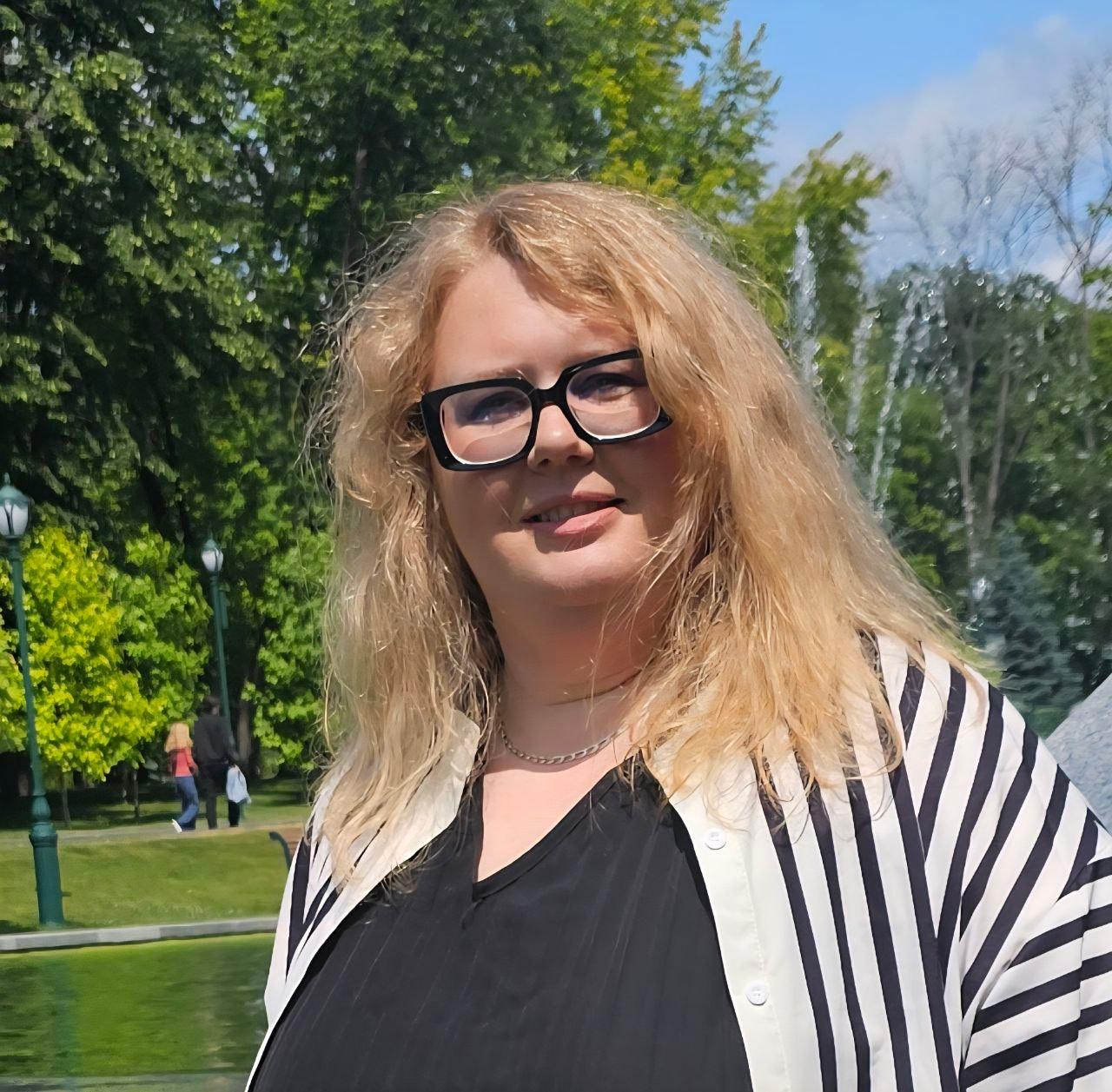
Dariia Khlebnikova
Project Manager at WBWU in Kharkiv