
The light disappears, the life goes on.
Russia is systematically attacking Ukraine’s civilian energy infrastructure. Attacks on power plants and substations are causing massive electricity, heating and water outages and are deliberately targeting the civilian population. Around 60,000 households in Kyiv alone are without electricity, with outside temperatures at -15 degrees.
Kseniia Levadna
Public Relations Officer
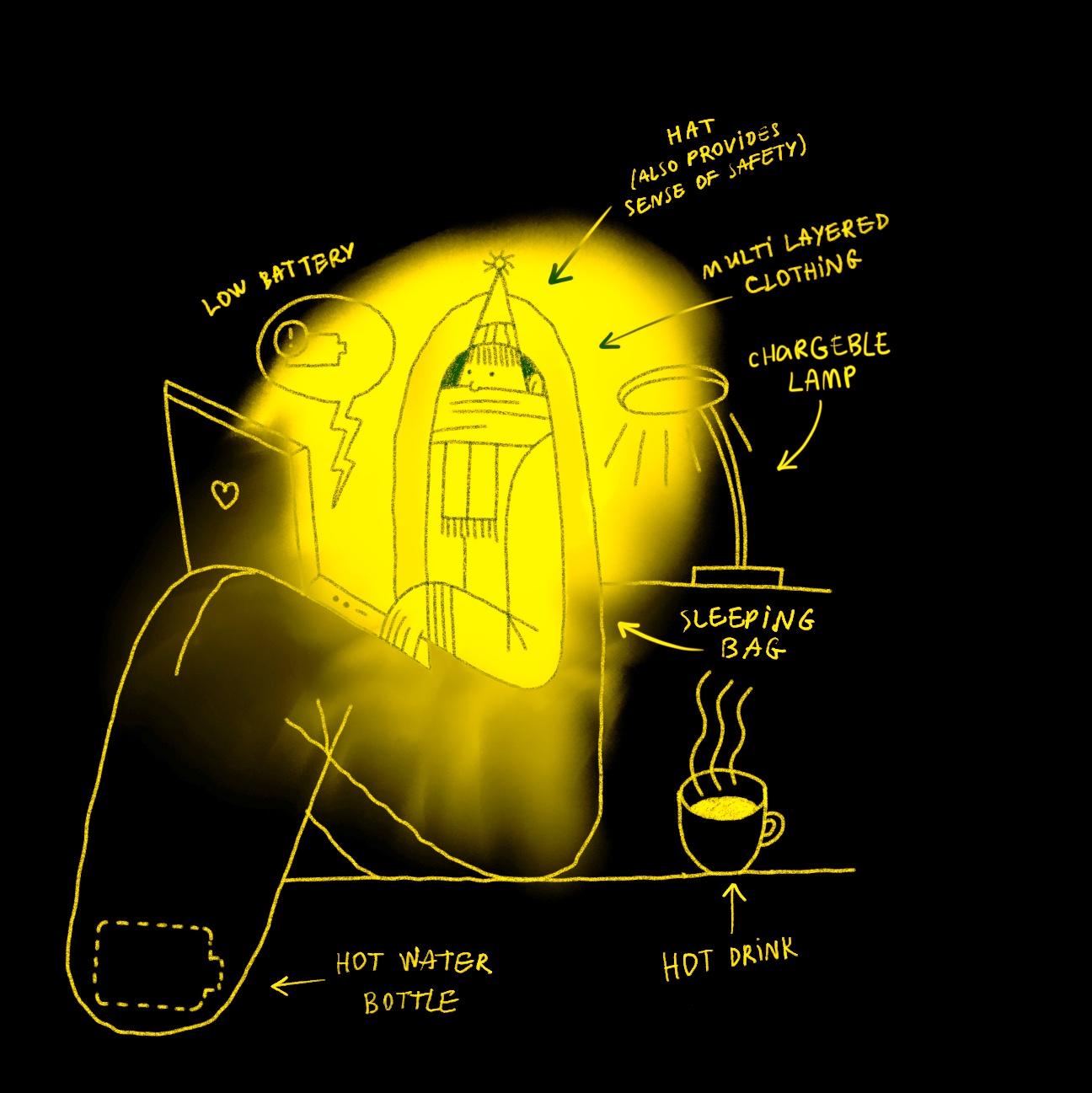
Millions of people are living with rolling blackouts or completely without power – in sub-zero temperatures, in the dark and with limited access to the most basic services.
Despite these conditions, our Ukrainian colleagues continue their work: they provide psychosocial support, coordinate humanitarian aid and support families with children as well as people in need of care in frontline regions.
I spoke with Ukrainian colleagues from Somatic Experiencing Ukraine and Angels of Salvation in various cities. Their accounts show everyday life between work and an unimaginable normality.
Anastasiya Yastreb, Kyiv
Project Manager, SMM Manager, NGO Somatic Experiencing Ukraine
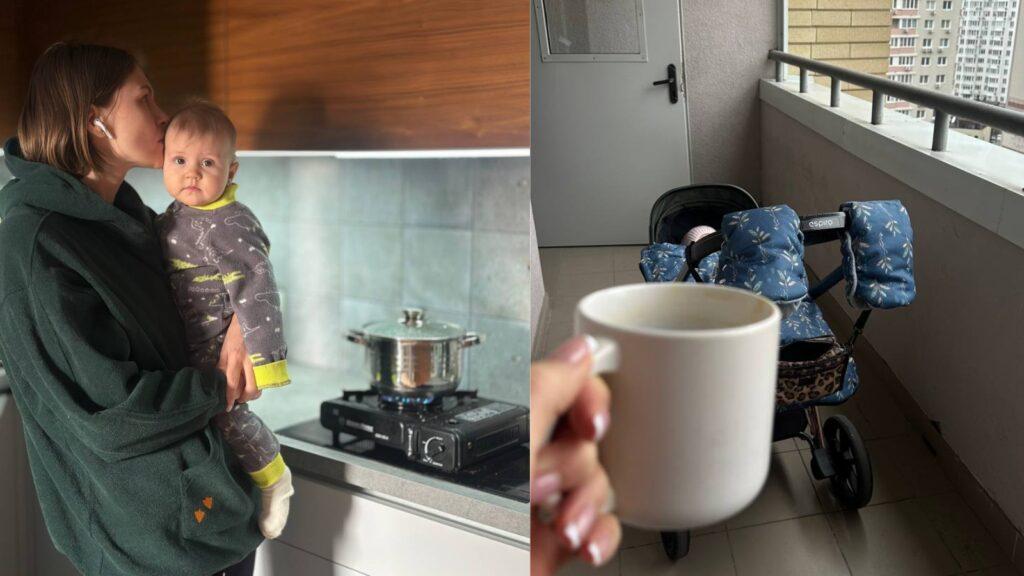
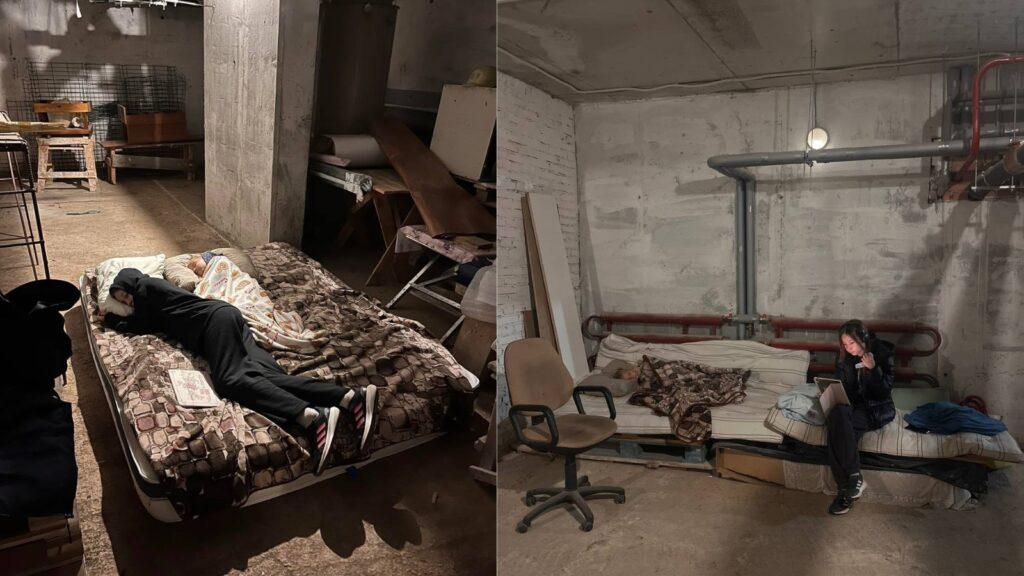
Inside the air-raid shelter it´s currently far too cold, so Anastasiia’s children sleep in the hallway.
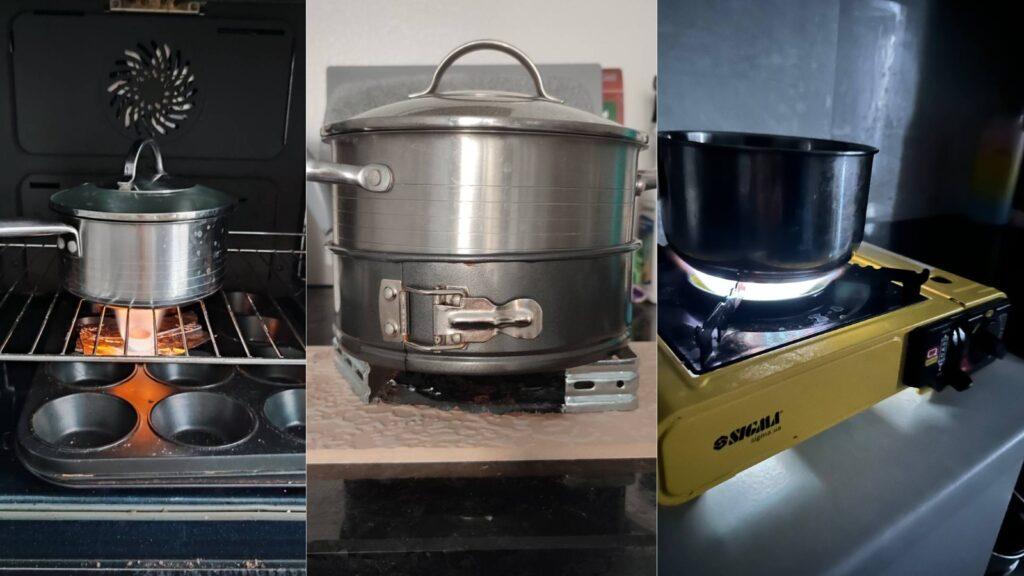
Everyday life with children without reliable access to water and electricity is particularly stressful. Sometimes only wet wipes are left. Cooking is done on a camping stove. What was once unthinkable has become routine today – not out of heroism, but out of necessity.
Sometimes Anastasiia works from her balcony. Her few-months-old baby sleeps there in the fresh air. During power cuts the elevator does not work, and the family cannot leave the apartment. “The balcony functions as our daily walk,” she says.
Sabina Bezverkha, Dnipro
Communications Manager, Angels of Salvation Team
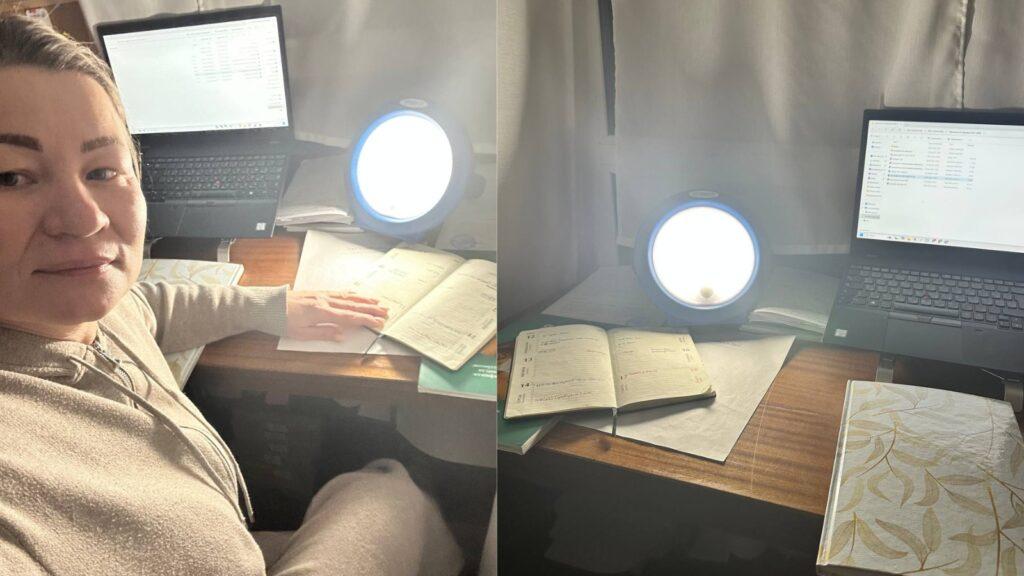
Sabina bought a small battery-powered lamp even before the war. Back then, for her it was mainly a cosy object. Later, she took this lamp with her when she was evacuated from Sloviansk. During the blackouts it became the only source of light.
At the moment, she has no electricity for up to 17 hours a day. Without electricity there is also no water and no heating. Sabina and her family always keep a supply of water and sleep in warm clothes at night. The phones are charged at the office, where a generator is available. At least at the workplace there is light, warmth and internet, which makes it possible to continue working and to keep supporting people – despite blackouts and shelling.
“Today I have no electricity for about 17 hours a day. Without electricity there is also no water and no heating.”
Anna Sobinova, Kyiv
Trauma therapist, NGO Somatic Experiencing Ukraine
Anna’s day does not start with work, but with electricity. As soon as the power comes back, she charges everything at once: phone, laptop, power banks, lamps. At the same time she cooks, does the laundry, fills thermos flasks, makes coffee for later. Only then can she think about her actual work.
Sessions with clients can hardly be planned. The blackout schedules can change at any time. Anna works as long as the battery lasts – always keeping in mind that mobile internet usually remains stable for only a few hours after a power cut.
“You have to be flexible all the time,” she says. Between household, work and uncertainty, she looks for balance – and sometimes even finds it there.
Photos provided by team members of Somatic Experiencing Ukraine and Angels of Salvation.
Inna Khartova, Kyiv
Head of NGO Somatic Experiencing Ukraine
For Inna, every moment with electricity means immediate action. As soon as the power comes back, she charges devices, lamps and power banks at the same time, cooks, does the laundry and heats water. Work tasks – Zoom meetings, documents, coordination – continue as long as the internet is available.
Without electricity, she works as long as her laptop still has battery power. Online meetings are held without a camera in order not to strain the already unstable connection even further. Since all colleagues have different blackout schedules, she often has to hold conversations individually, which slows many things down.
Situations in which documents have to be printed out, signed, scanned and sent are particularly difficult. Inna then looks for a place with electricity – sometimes in her own neighborhood, sometimes further away – or waits until late in the evening until the power comes back.
“It means being constantly mobilized: when there is electricity, all devices have to be charged immediately. And still we are trying to continue living this life.”
Sofiia Runova, Odessa
Project Coordinator, NGO Somatic Experiencing Ukraine
Sofiia lives in a house from the early 19th century. Without electricity there is no heating. On particularly cold days she can see her breath in the apartment.
In Odessa, the power can be out for several days. Electric public transport has been at a standstill for weeks. When her work devices run out of battery, Sofiia goes in search of a place to charge them – sometimes that means waiting in line.
Studying and working take place under permanent uncertainty: weak reception, hardly any battery, the sounds of air defence in the background. “We support each other,” she says. “And we keep going.”
Anna Volokushyna, Dnipro
Head of the Individual Assistance Department, Angels of Salvation Team
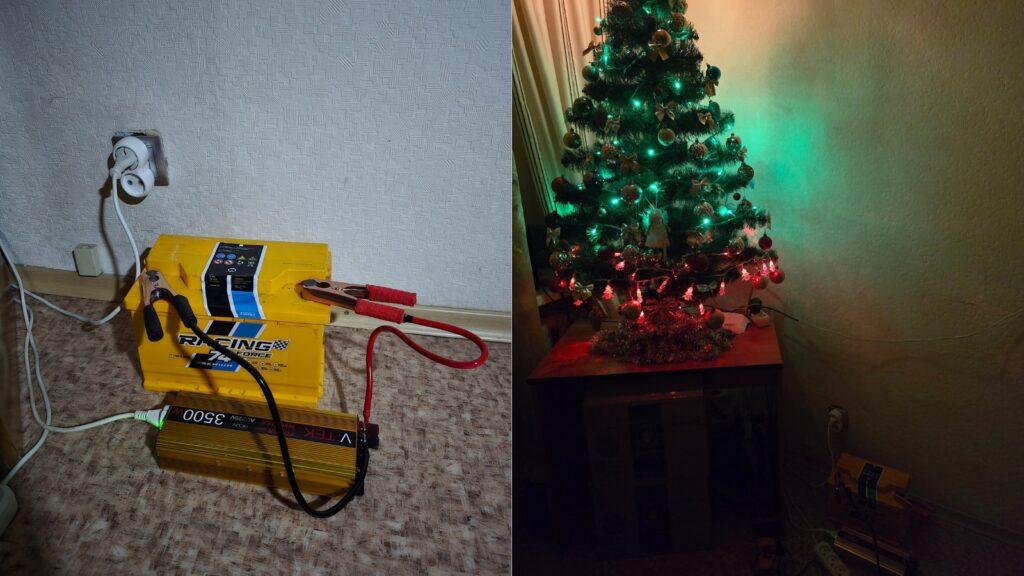
Winter is a challenge for Anna every year. After the first blackout, her household had no electricity or water for a day and a half. The heating also does not work during a power cut. The building is old and loses heat very quickly. To maintain basic functions, Anna’s husband built a small power source from an old battery, which can at least charge a phone and power a string of lights. It still stands in the room and provides light. “Winter is always hard. This year is no exception.”
Nadiia Lokot, Chernihiv
Therapist and Project Coordinator, NGO Somatic Experiencing Ukraine
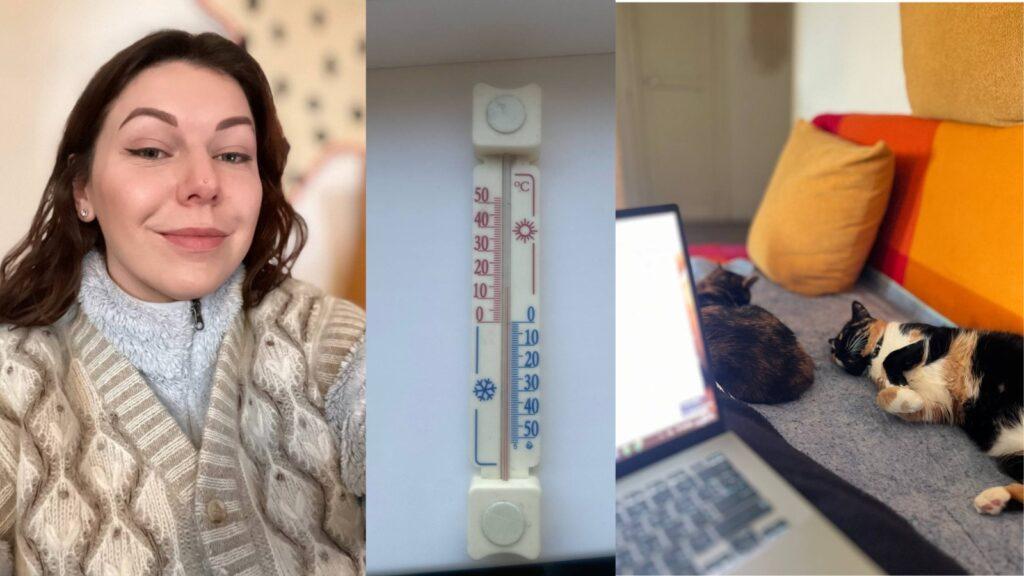
Nadiia works with people who have experienced violence and severe traumas. For that she has to be reachable – even when electricity, heating and internet are missing. Her family has invested in a battery with an inverter. That is a privilege, she says, but without this solution she would not be able to do her work.
At night, the temperature in the apartment drops to about eleven degrees. During the day, Nadiia often works under an electric blanket, with a thermos flask and her cats. Between project coordination and crisis intervention, she is at the same time organizing her own survival. “I don’t know how we manage all of this,” she says. “But we do.”
From

Kseniia Levadna
Public Relations Officer