
What does a parcel mean for a political prisoner in Belarus today?
For a person deprived of freedom, a parcel is much more than just a set of food and items. We spoke with former political prisoners and asked them what parcels meant to them.

Aija S.
Advocacy Officer
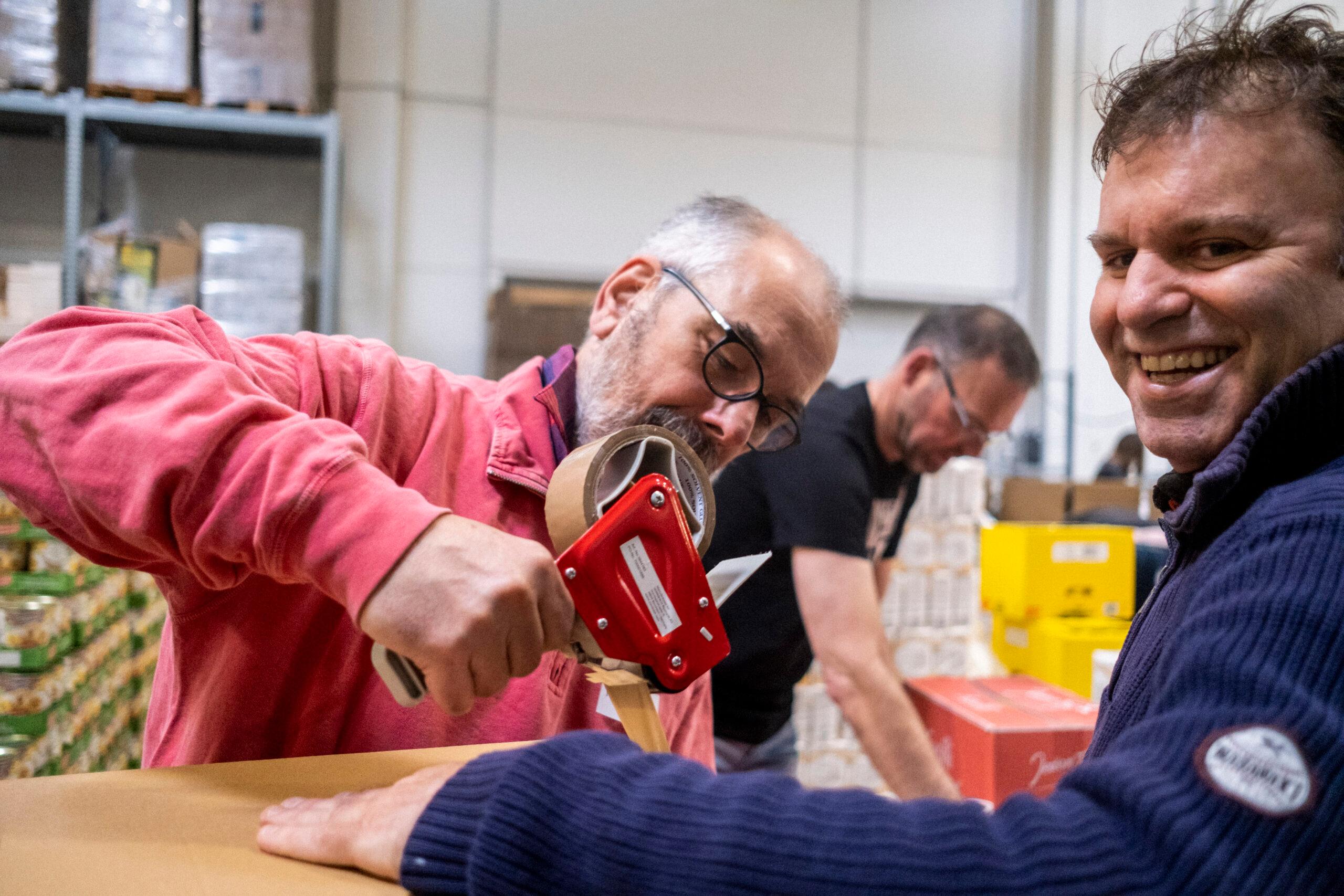
A pair of socks. A scarf. Some bacon, a bit of coffee, a bar of soap. For us, everyday items—for a political prisoner in Belarus, a sign of life from the free world. Our partner organizations asked former political prisoners what receiving a parcel meant to them. Their answers speak for themselves:
“It was a ray of light and the knowledge that I was supported and not forgotten. It was a connection to the world, to a free Belarus.”
“It was a celebration.”
“I felt inspired—that my resistance to injustice was not in vain. It means a lot for a person who is in prison.”
One former prisoner describes particularly vividly why every single parcel matters on multiple levels:
“First, a parcel is a sign that my relatives are free. Second, that my family has the means to support me. Third, it’s an opportunity to receive vitamins that are impossible to get from prison food. Fourth, it’s a way to support other political prisoners who do not get anything. Being deprived of parcels is a more painful punishment than being placed in solitary confinement.”
A parcel is therefore far more than its contents: it is proof, nourishment, solidarity—and its absence is a form of punishment harsher than solitary confinement. When asked which items were most important, the answers paint a picture of basic needs denied to inmates by the Belarusian prison system:
“Winter clothing. Socks, boots, a jacket, gloves, thermal underwear. And most importantly—a SCARF.”
“Sanitary pads, cosmetics, medication, warm clothing.”
“Thermal underwear, tea, coffee, cigarettes, lard, dried fruit, cosmetics, an electric razor, hygiene items, medication.”
The story of one former prisoner shows just how much a parcel can also set a chain of solidarity in motion:
“Everything was valuable, but if I had to choose one thing, it would be clean underwear. I received my last parcel a few days before my release, so I shared new underwear and socks with the others. When I got out, I found out my family had packed them intentionally, knowing I would share them.”
How much does a parcel to political prisoners cost?
Putting together a parcel is not only a matter of willingness—it also involves significant financial costs. According to respondents, the cost of one parcel ranges from €200 to €1,300. Parcels of up to 50 kg can be sent to prison colonies only every few months, and families often cannot bear this burden alone.
• Cost of a parcel: €200–€1,300
• Parcel weight in pre-trial detention (SIZO): up to 30 kg per month
• Package weight: up to 50 kg
• Regulated parcels to prison colonies: 3–4 times per year, up to 50 kg
• Quarantine parcel: up to 10 kg every 30 days
Photos from the LIBERECO archive
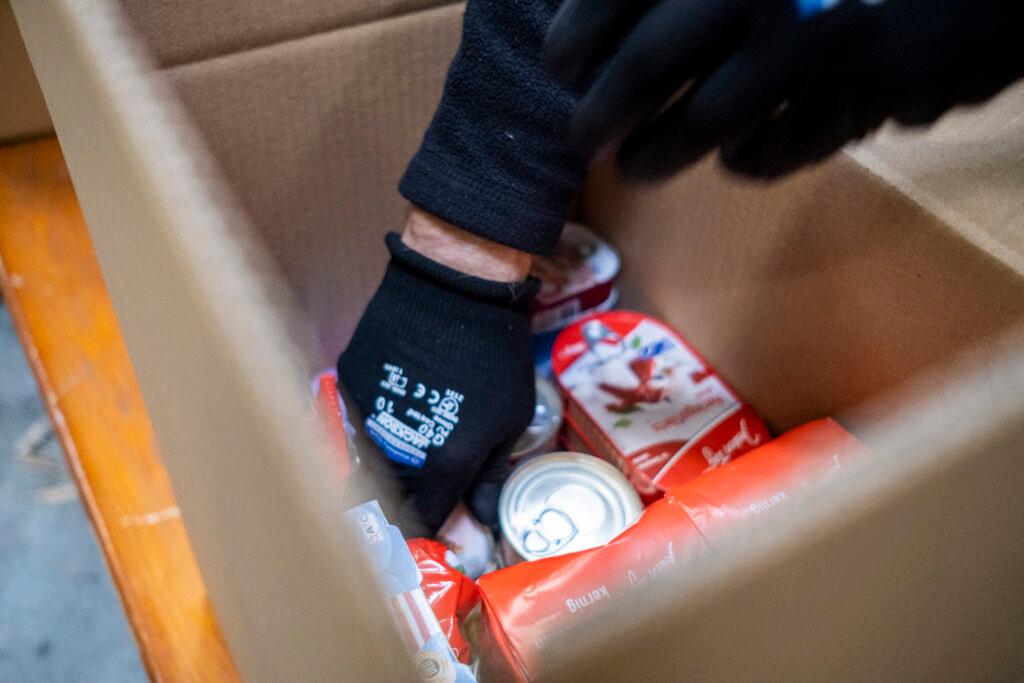
In addition to financial difficulties, political prisoners often face arbitrary decisions by prison administrations. Parcels may not be delivered, individual items may be confiscated, or prisoners may be deprived of the right to receive parcels as a form of punishment.
“They could simply not hand it over, and it would go to the warehouse.”
“In the women’s prison, they could refuse to hand over shoes if they differed in colour or style from those of the others.”
“In my case, a guard stole the sausage.”
How chocolate from Germany was sent to former political prisoner Valiantsin Stefanovic — and why he never received it in the prison colony
“I still remember a package with chocolate that I received when I was already in prison. It was from a German woman named Susanna. I stood there for several hours waiting to collect it and even missed lunch. Then they brought me the package and asked: what’s inside? I said: ‘Judging by what’s written here, it’s chocolate.’
‘From whom? Do you know who this is from?’ I said: ‘I don’t know.’
‘Well, then we won’t give it to you’ — because only close relatives were allowed to send parcels and packages.
So I never received that package, but it was still touching that some Susanna from Germany remembered me — such an ‘unfortunate prisoner.’”
What can you do? How can you help?
• Provide financial support. Families of political prisoners often struggle with the costs. Even a small donation becomes part of a parcel.
• Prepare a parcel. There is an online parcel builder available that helps to understand what can be sent and how much it costs.
• Spread the word. Share this information with others who can help. The more people know, the more support those behind bars will receive.
• You can learn more about other ways to support political prisoners here.
From

Aija S.
Advocacy Officer
Aija S. studied crisis, conflict and disaster communication and has worked in the fields of education, politics and museum management. She has been involved in human rights work since 2020. As a Latvian, she is particularly committed to supporting political prisoners in neighbouring Belarus.