
The last train to Kharkiv: Infrastructure under fire
Today is March 18. For the first time in four years of war, Ukrainian Railways has suspended Intercity high-speed service on the Poltava–Kharkiv route.

Dariia Khlebnikova
Project Manager at WBWU in Kharkiv
Now, the only way to leave or return to Kharkiv is by one of three overnight trains heading toward western Ukraine. Buses, of course, are still running—but fuel prices are rising by the day—along with the cost of bus tickets.
This winter has been particularly harsh. After months of freezing temperatures, the thaw stripped away not only the ice but parts of the road surface itself. Repairs are underway, but time and resources are needed everywhere — and in a country that has been at war for four consecutive years, they remain in constant short supply.
But back to the trains.
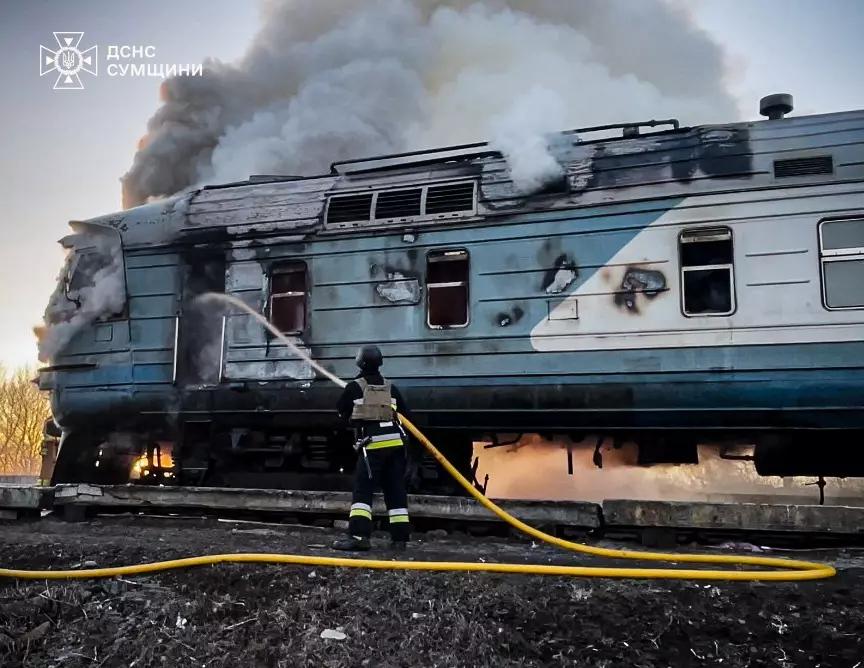
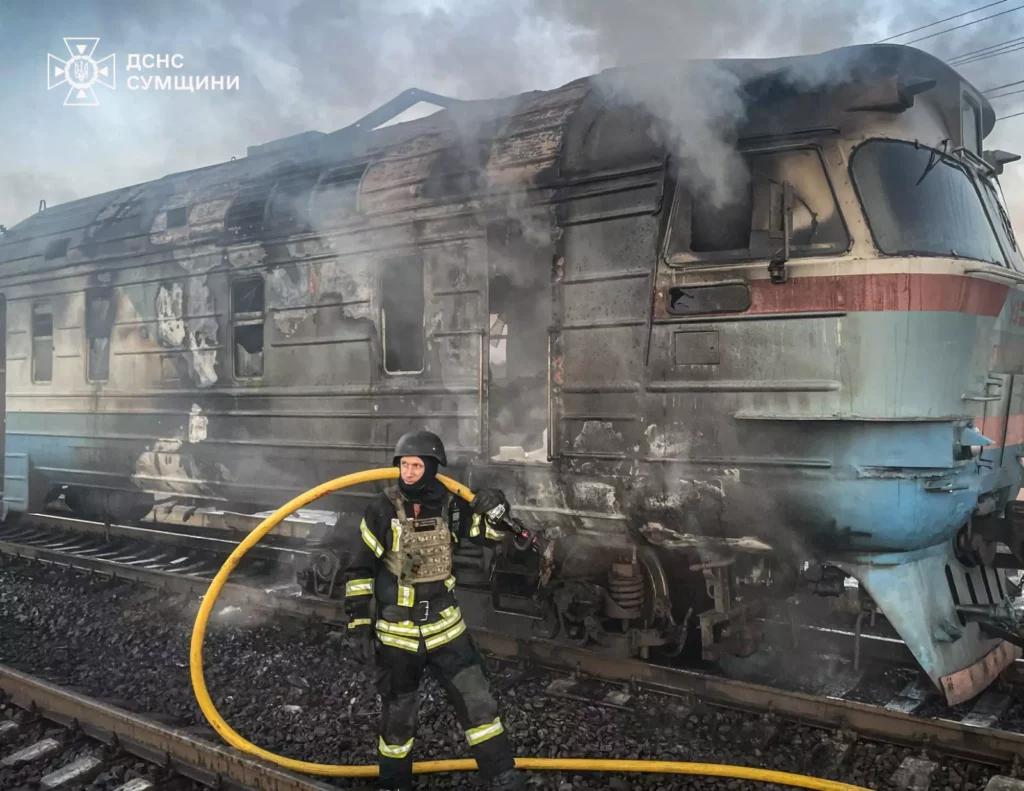
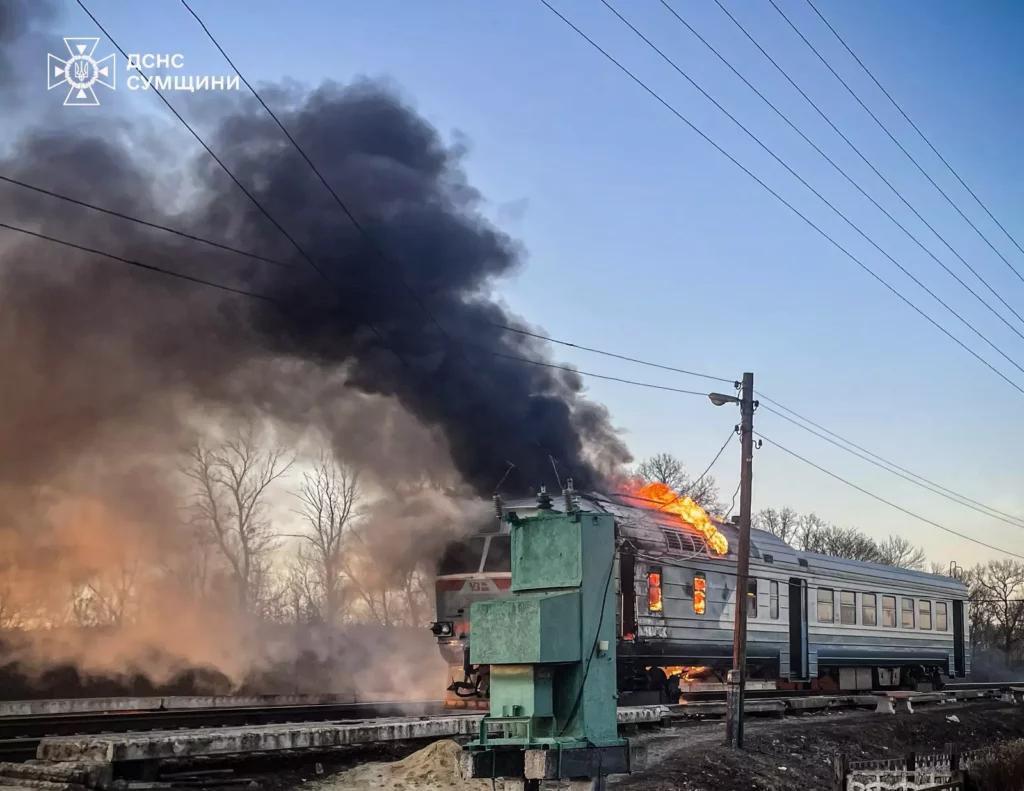
It began a few months ago. Drones and missiles started hitting not only infrastructure and freight depots, but passenger trains as well. Sumy, Mykolaiv, somewhere in the fields, along the route from Kyiv—either in motion or at stations where people get on and off. There were deaths and injuries, shattered carriages, and frightened children stranded for hours at night, waiting for help.
Photo from the website of the civil protection service in Sumy region.
The infrastructure supporting electric high-speed trains between Poltava and Kharkiv was also severely damaged. At first, they tried a simple fix—attaching a diesel locomotive to the electric train. The train kept running, but what used to be a 90-minute journey now took three hours—without lights, working toilets, ventilation, or heating. On top of that, delays on this train disrupted the entire schedule.
So the decision was made to suspend service on this section for two weeks and try to repair the infrastructure. I’m keeping my fingers crossed for the railway workers who will be doing this work. I hope none of them will have to pay for this with their lives because of a drone strike.
Because for us, this is no longer just about convenience. Ukrainian Railways has become one of the symbols of this war—its trains carried tens of thousands of women, children, and older people to safety under fire in February and March 2022. Even then, passenger trains were not deliberately targeted this often, which now suggests a pattern. Now they are.
Is this an attempt to break us psychologically? A sign of complete dehumanization? Another act of genocide? A disregard for international humanitarian law? Most likely, it is all of these at once.
From

Dariia Khlebnikova
Project Manager at WBWU in Kharkiv