
When even shelters are no longer safe
Three of my friends and colleagues from Kyiv share how they experienced the night of the Russian attack on 24 May: in the hallway of their apartment building, in an overcrowded metro station, among shattered windows, burned-out familiar places, and the exhaustion that followed.

Kseniia Levadna
Public Relations Officer
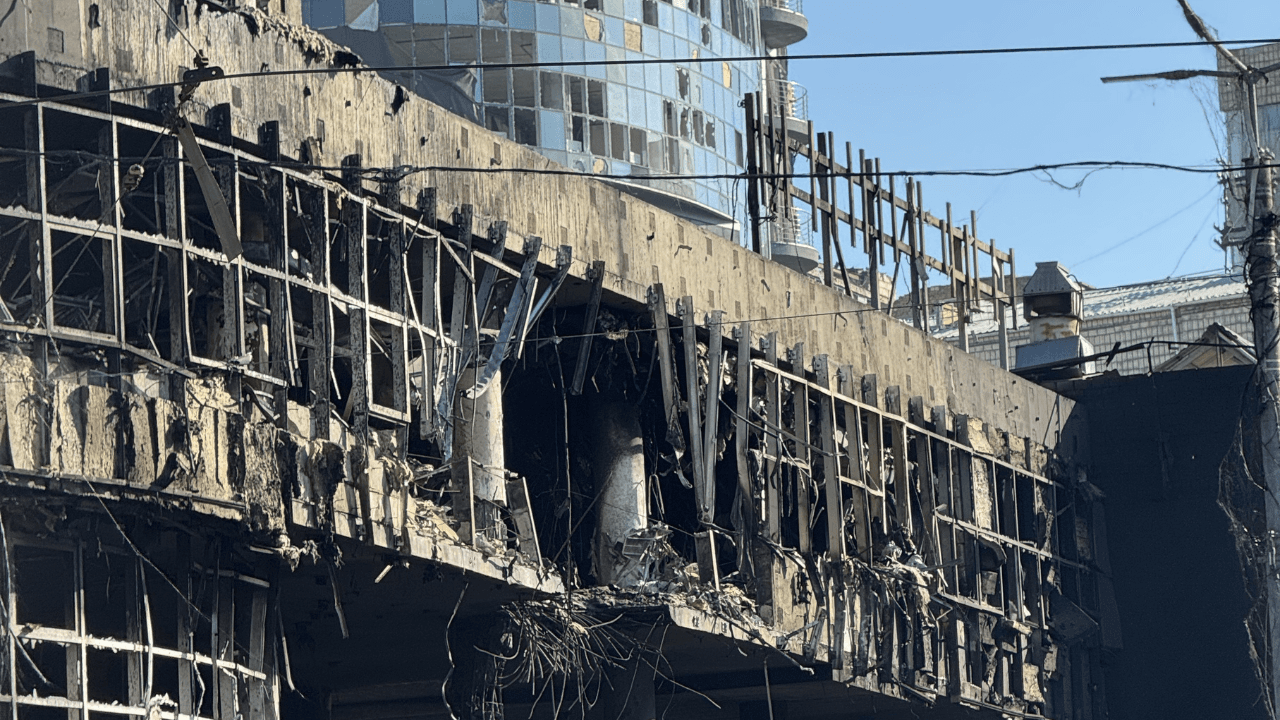
On the morning of 24 May, I opened my news feed and almost every friend, acquaintance, and colleague from Kyiv had already posted about the consequences of Russia’s overnight attack.
This kind of news, however, does not surprise me anymore. In more than four years of Russia’s war against Ukraine, we have seen far too many images of destruction, injuries, and death.
And yet, this time felt different.
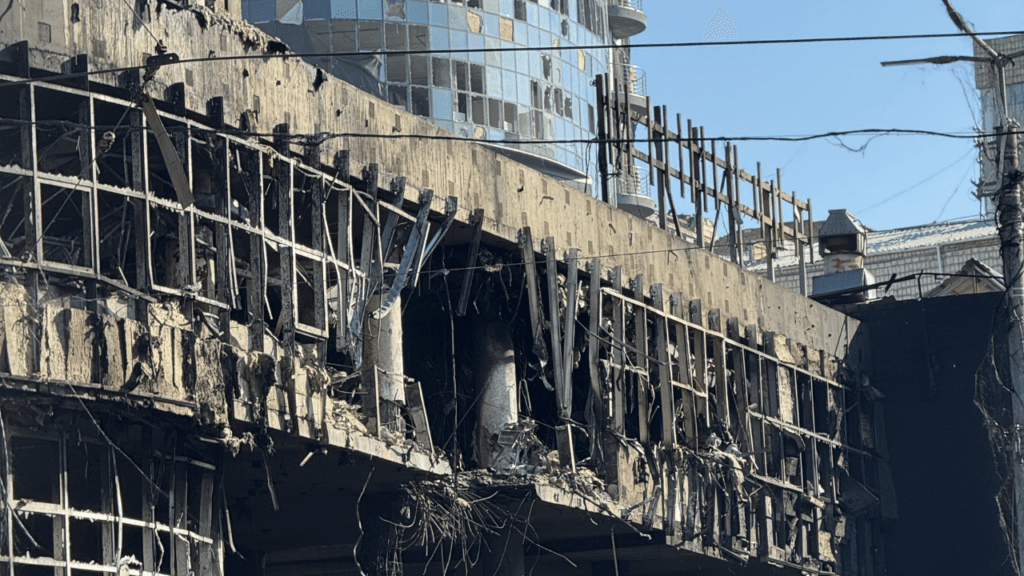
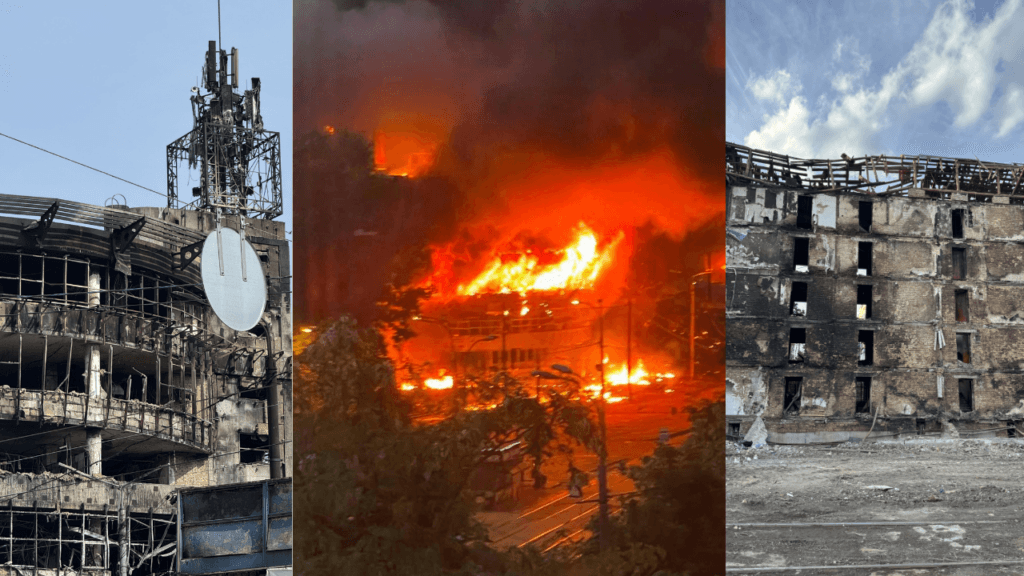
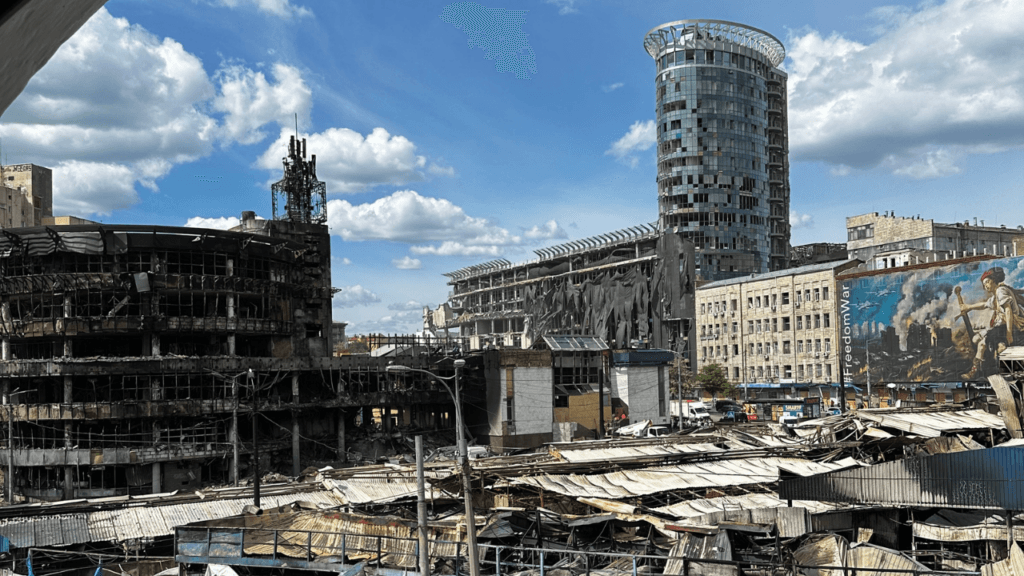
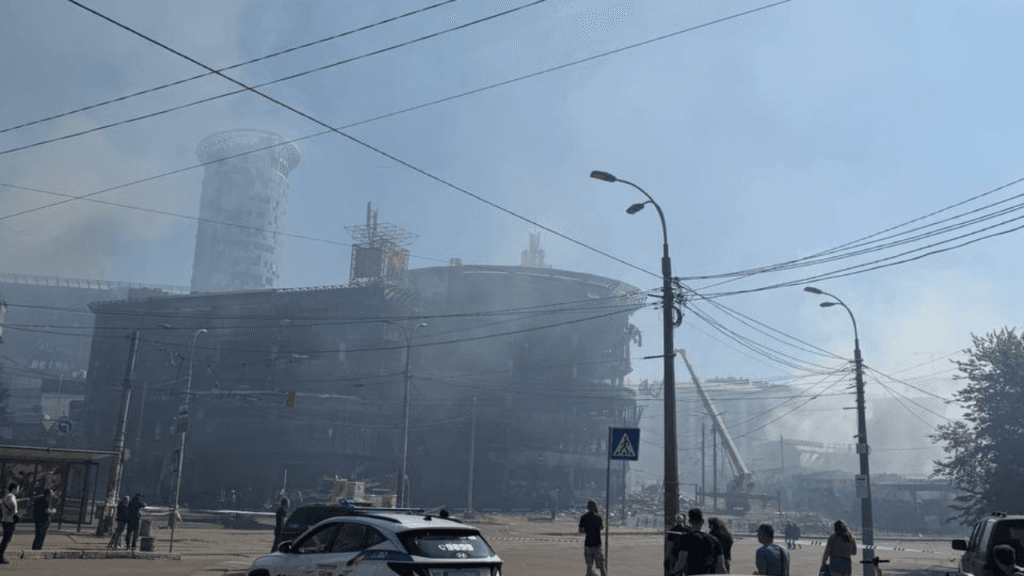
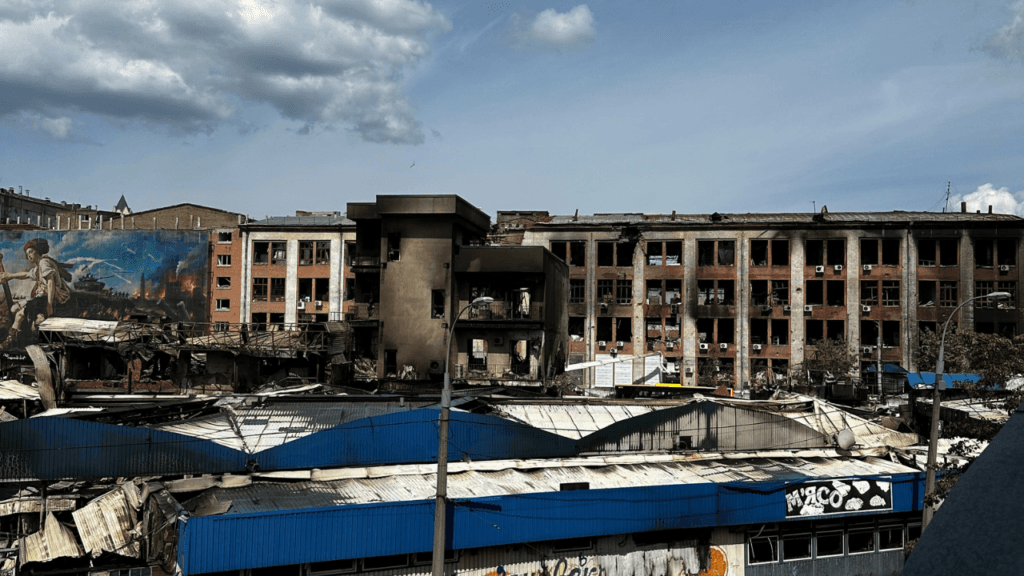
My friends were posting videos filmed from their windows: burning apartment buildings, shattered glass, smoke rising above the streets, and debris scattered across courtyards. Almost all of these videos came from the same district.
I know Kyiv. I know how large this city is. That is precisely why I could not comprehend what I was seeing. How could so many people I know be filming explosions outside their windows on the same night?
That night, Russia launched dozens of missiles and hundreds of drones at Ukraine. The attack lasted several hours and caused severe damage across the capital. Even the Lukianivska metro station was hit – a place that is supposed to provide safety.
I asked friends and colleagues in Kyiv how they experienced the attack and invited them to share their thoughts, memories, and impressions.
Mariia Holovnia, Marketing Specialist
It was the worst night since February 2022. A missile struck the building next door.
I hid in the hallway of my apartment as it was impossible to reach the metro station that normally provides shelter because another Russian missile had already hit the station, blocking the entrance. The nearest shelters were overcrowded. In moments like that, all you can do is sit and wait.
When you hear the whistle of a missile, you understand that it is either headed directly toward you or passing very close by. Those few seconds feel like an eternity.
After the attack, I went outside. The neighboring building was on fire. Part of it had simply disappeared, leaving behind a massive hole. For the first time, I truly understood that people are often left alone with their tragedy in the first moments after an impact.
Even today, I feel the consequences. Sudden noises, traffic sounds, or an unexpected bang can trigger intense fear. My heart races, my breathing quickens, and my brain needs time to understand that it is not another attack. I am still learning to live with that.
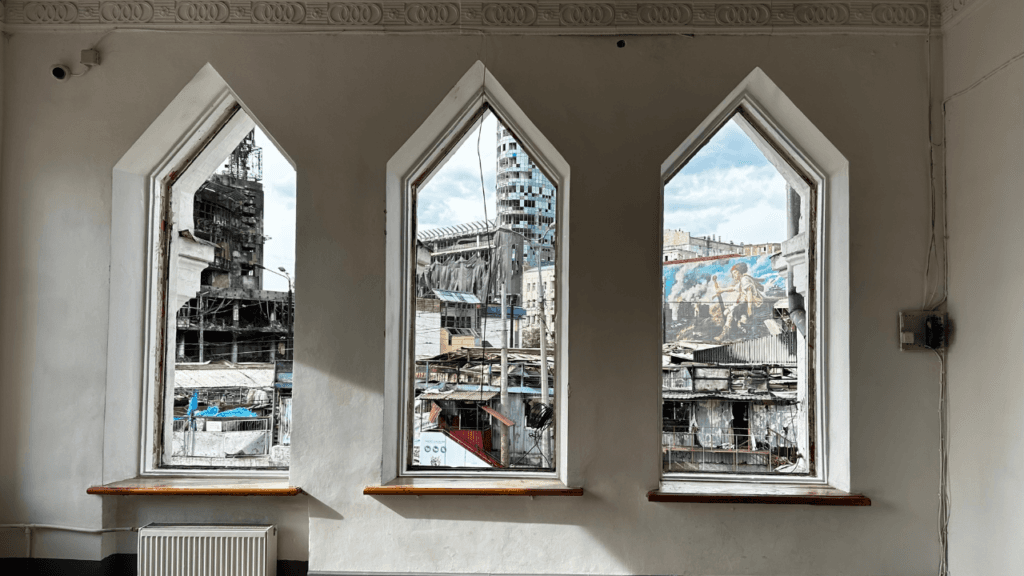
Photos provided by the authors of the comments.
Yuliia Matviichuk, Human Rights Defender and Co-Founder of Crisis Insight
Because of the attack I went to sleep in a metro station. Warnings of a major strike had been circulating since the afternoon, and I take such warnings particularly seriously when they come from the U.S. Embassy. Although I had not gone to a shelter for a long time, I decided to go that Saturday.
There were so many people. There was hardly enough room for a sleeping bag. Sleeping was nearly impossible. It was hot, noisy, and someone was constantly reading out updates about where missiles were heading and what was happening. The next day, I was completely exhausted.
My partner stayed in our apartment. Later, he told me it had been incredibly loud and that the whole building was shaking. His music studio is located near Lukianivska metro station, where many buildings burned down. The studio itself survived because it has no windows, but parts of the ceiling and walls collapsed. We spent the entire Monday clearing dust and rubble from the studio.
It was another terrible attack. For Kyiv, it was not entirely new. But it felt especially painful because so many familiar places were damaged: cafés, shops, the market, buildings in the city center. Even the Chornobyl Museum was partially damaged. That affects people deeply.
Sasha Barkova, Marketing Specialist and Human Rights Defender
There was a time when my family and I had almost stopped going to shelters. After a difficult winter, during which we spent nearly every night in the metro station, we were exhausted. When the attacks became less intense for a while, we started ignoring the shelters.
But the most recent attack had been very frightening as the shockwaves made the walls move. That was when we decided to spend the nights in the metro station again.
About 20 seconds after we arrived, the explosions began and did not stop. Debris from missiles and Shahed drones fell around our station. The loud noise even reached underground.
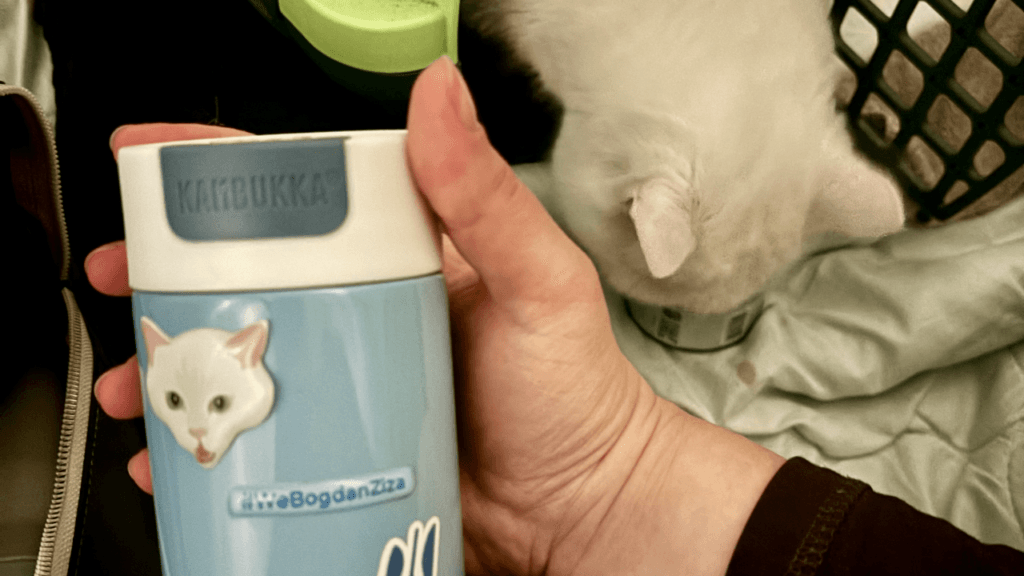
In the metro, we usually set up a small tent and bring warm blankets, tea, and coffee in a thermos. For the third year in a row, I have been taking a tent to the shelter because my sick cat is calmer inside it than in the open station hall. Since we started using the tent, she has not had any panic attacks.
The metro is also cold, and I am tired of spending days recovering after every sleepless night in the draft. In the tent, I can at least get some rest and have enough energy to work the next day.
If you ignore the context, it almost feels like camping. I think that is how the human mind adapts to stress.
That night, many people were watching Oleksandr Usyk’s boxing match, which somehow kept the atmosphere positive and helped the night pass more quickly. But since then, I have had trouble sleeping. Because in reality, it was an enormous amount of stress.
From

Kseniia Levadna
Public Relations Officer