
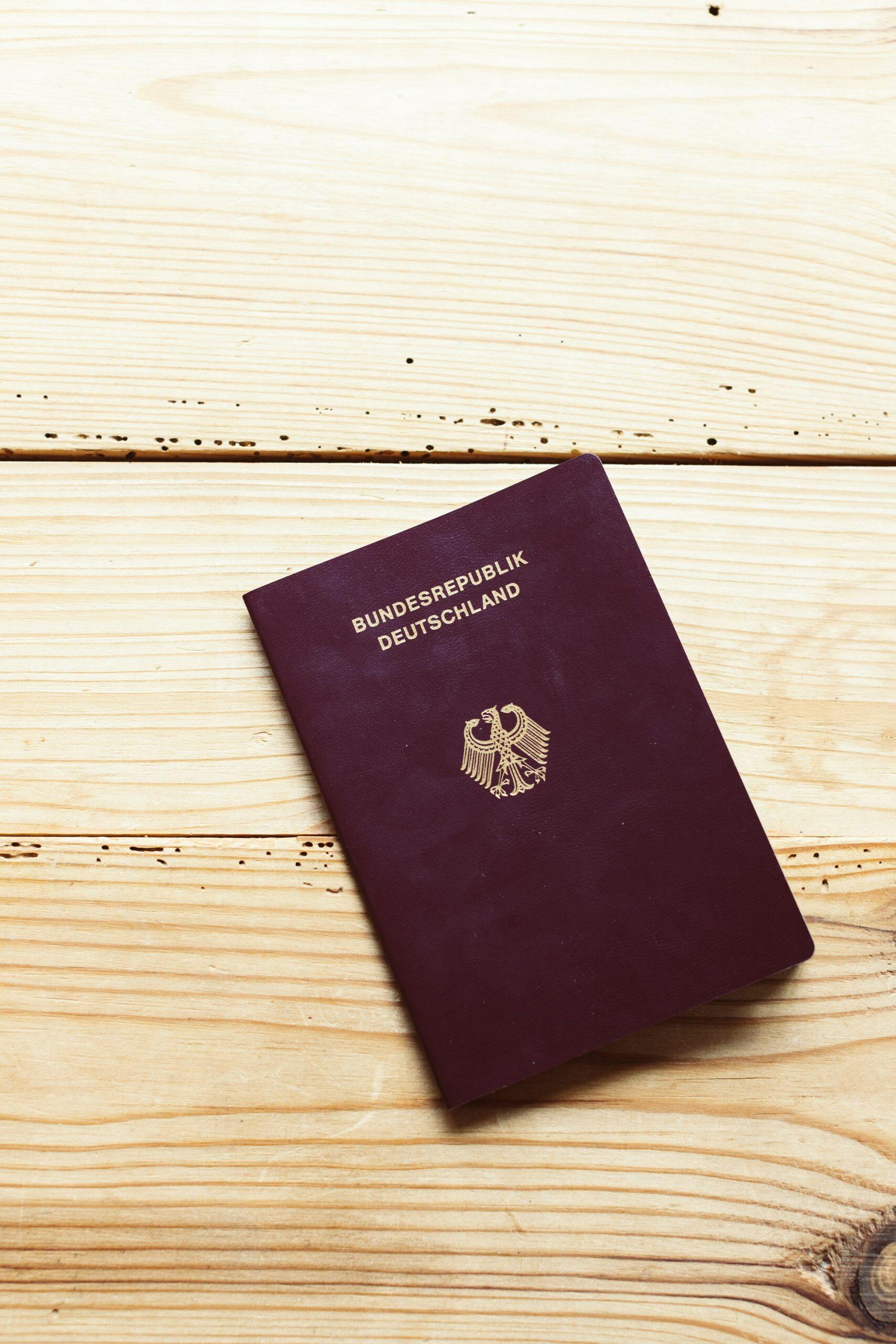
Lukashenko henchman granted German citizenship – while politically persecuted are pushed into asylum procedures
LIBERECO sharply criticizes German authorities for granting citizenship to the deputy director of a penal colony despite alleged human rights violations.
As reported by the newspaper “Die Welt”, the former deputy director of Belarusian Penal Colony No. 2 in Bobruisk has received German citizenship. As early as August 2025, the Belarusian independent newspaper “Nasha Niva” reported on Dmitry Sh. and revealed that he lives in Schwerin (Mecklenburg-Western Pomerania). Former prisoners contacted both media outlets and LIBERECO, describing human rights abuses in the penal colony. They referred to Sh. as a “sadist,” a “tsar,” and a “cruel overseer.”
“While the German state apparently naturalizes an enforcer of the Lukashenko regime quickly and without thorough scrutiny, it requires politically persecuted individuals to provide extensive proof for legal residence and pushes them into lengthy asylum procedures,” criticizes LIBERECO Managing Director Marco Fieber.
Politically active individuals risk falling into the asylum system
In September 2023, Alexander Lukashenko’s regime drastically tightened conditions for all Belarusian citizens abroad. Belarusian diplomatic missions were prohibited from issuing or renewing passports and from providing any consular services: no certificates, no notarized documents, no apostilles, no powers of attorney. Since then, all of this has only been possible in person in Belarus.
For the approximately 26,500 Belarusians in Germany, the decree has far-reaching consequences for their residence status. Anyone unable to renew their Belarusian passport risks losing their residence permit in Germany, as a valid passport is a basic requirement for extending it.
Journalists, human rights defenders, and anyone who has participated in pro-democracy protests against the Lukashenko regime—either in Belarus or abroad—are particularly affected. They cannot renew their documents in Belarus because they face the risk of arrest there. LIBERECO and the German Federal Foreign Office are aware of several cases in which returnees were indeed detained.
Many immigration authorities refuse substitute documents for Belarusians
Instead of assessing the obvious unreasonableness of such travel and issuing substitute identity documents, many authorities—including the Berlin State Office for Immigration—generally refer applicants to the asylum procedure. “The absurd consequence: even those who have lived legally in Germany for years, studying or working—some with an EU Blue Card—are forced into a procedure that was never intended for their situation,” Fieber emphasizes. Several hundred Belarusians have already contacted LIBERECO after immigration authorities refused to issue such substitute documents or only did so after extensive evidence and legal assistance.
“We need a benevolent assessment of each individual case by immigration authorities—and clear guidance from the Federal Ministry of the Interior on how to deal with those affected,” Fieber demands. “Germany should follow the example of other EU states and create a pragmatic solution for Belarusian nationals who cannot return to their home country and do not belong in the asylum system.”
Supervisor of Sh. on EU sanctions list
Until early 2024, Dmitry Sh. headed the operational department of Penal Colony No. 2 in Bobruisk with the rank of major. In 2023, the European Union placed his then-supervisor and head of the colony, Yauhen Bubich, on its sanctions list for “serious human rights violations and repression against civil society in Belarus.”
The EU accuses Bubich of “inhuman and degrading treatment of prisoners, including torture, forced labor, and physical and psychological violence.” According to figures from the Belarusian human rights center Viasna, 64 political prisoners are currently detained in Bobruisk.
Support the Legal Help Team of LIBERECO: