
What is the price of a human life?
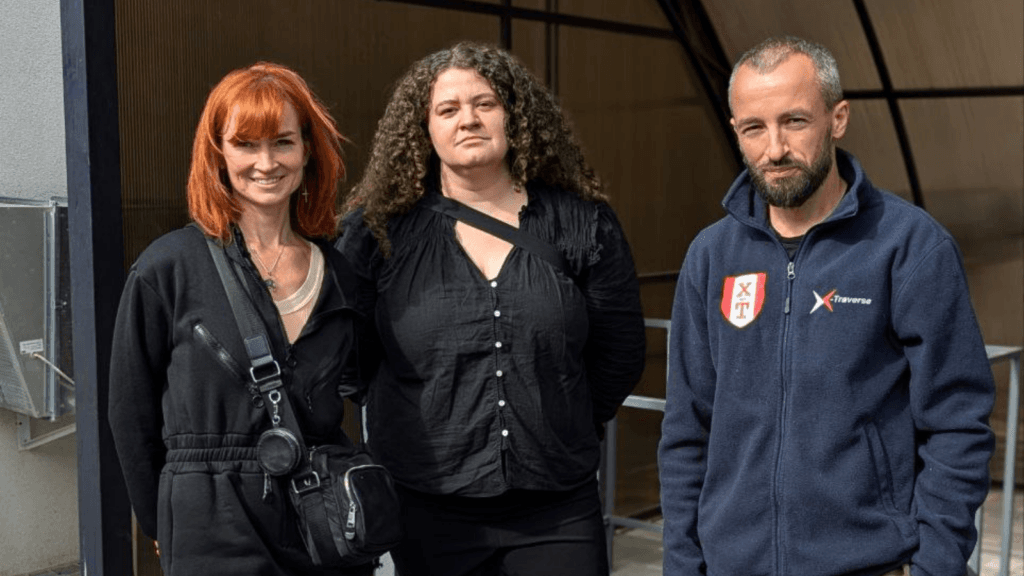
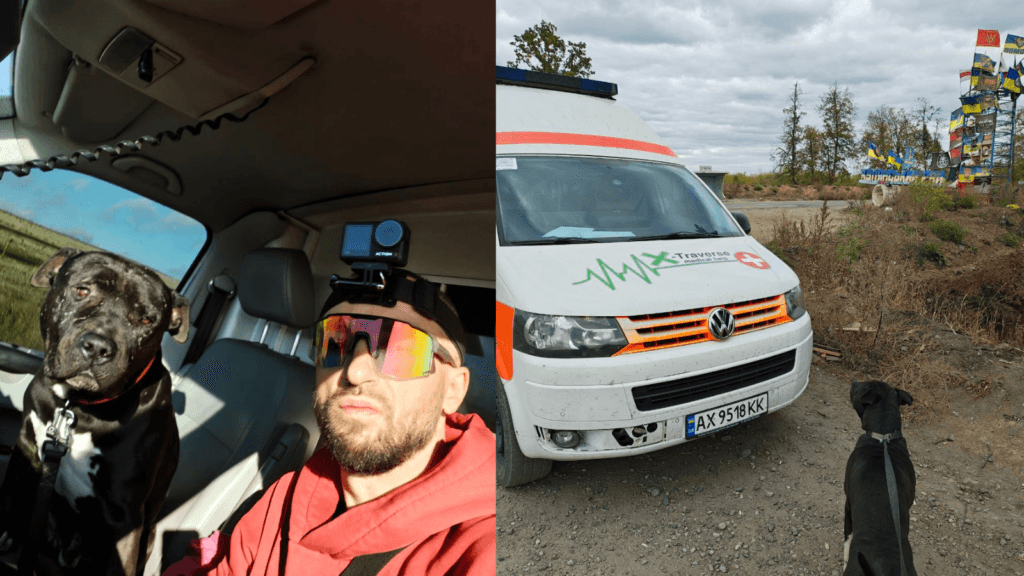
Since 2023, I have been working together with the X‑Traverse team in the Kupiansk region. During this time, many things have changed – the situation on the ground, the needs of the people, and also our own work. Despite ongoing attacks and severe destruction, there are people there who do not give up. One of them is Ruslan.

Ira Ganzhorn
Humanitarian Aid Officer
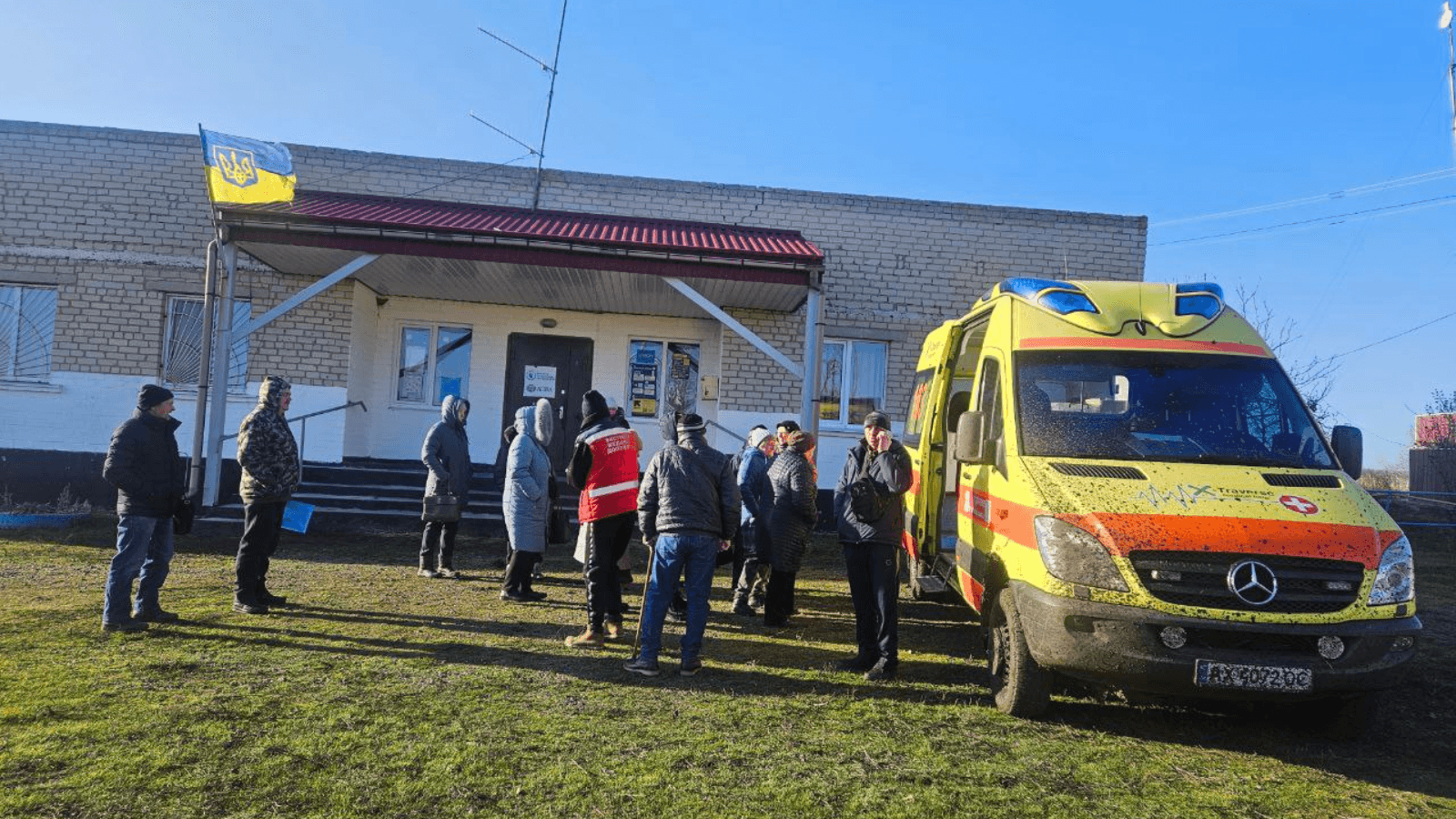
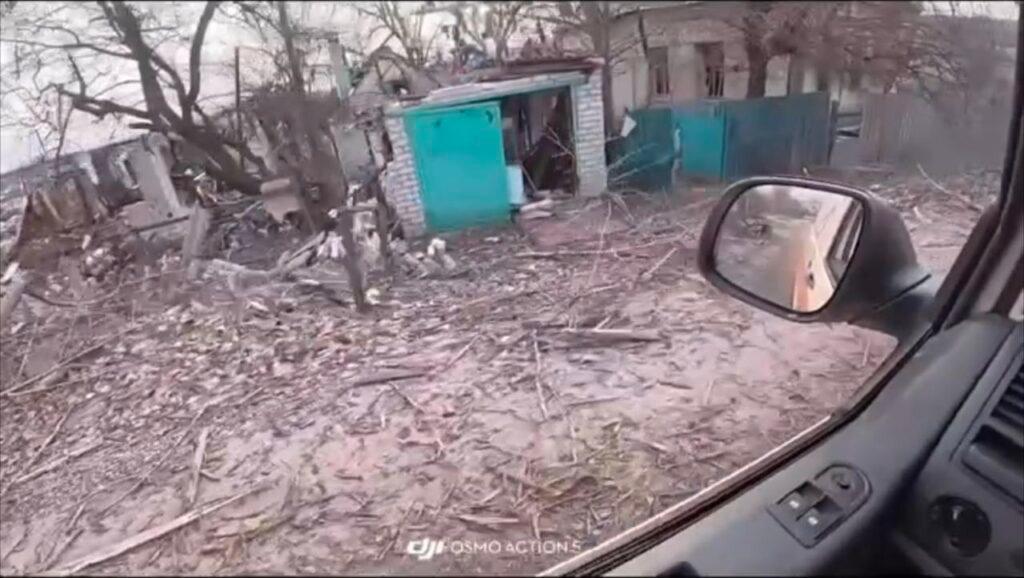
In May 2024, I was still in Kupiansk myself. I saw the heavily damaged, yet still functioning pharmacy, the destroyed buildings, and the streets torn up by heavy military equipment. Together with Ruslan, we visited his grandmother and brought her food. Despite the approaching front line and her advanced age, she refused to leave her hometown.
In December 2025, I am looking at photos and video footage from Kupiansk – a city I no longer recognize. Entire streets are destroyed, nothing remains of the infrastructure: no hospital, no supermarket, no electricity, no water. And yet, an estimated 1,000 people are still there.
Ruslan’s grandmother is no longer in her hometown. With great effort and protest, he managed to bring her to Kharkiv in the autumn of 2025.
In the autumn, the bad news from Kupiansk began to accumulate.
The front line moved ever closer, the attacks did not stop, and renewed occupation seemed inevitable – and yet, we still hoped for a miracle.
The miracle did not happen. In December 2025, fighting is taking place in the middle of the city, and there is almost no way left to evacuate civilians.
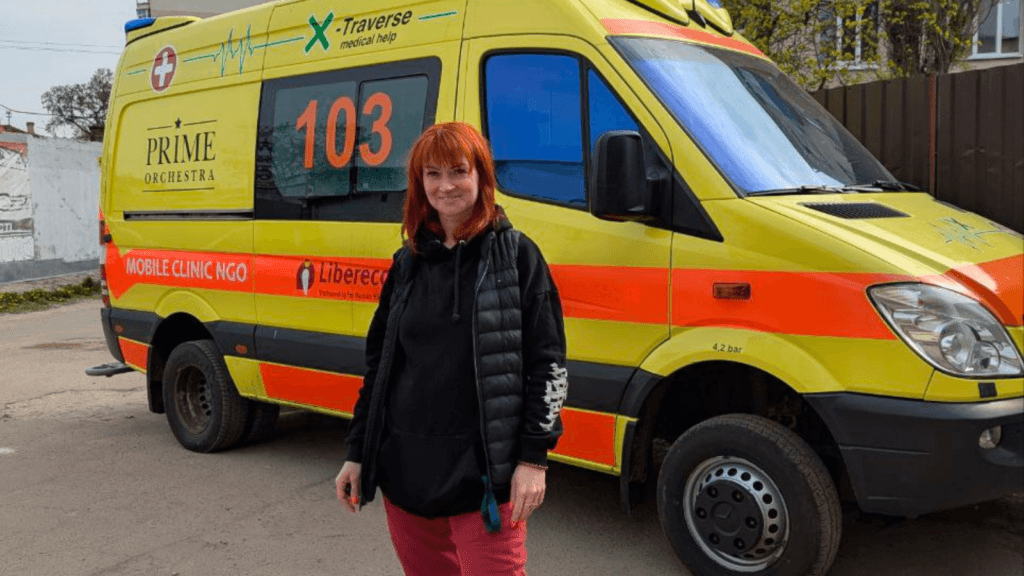
Our main goal now is to financially sustain these almost impossible, but still somehow ongoing, life-saving evacuations.
I sit over budgets, numbers, and donation appeals. I calculate how much it costs to evacuate one person. I think about what tone to use to translate unbearable suffering into a bearable format.
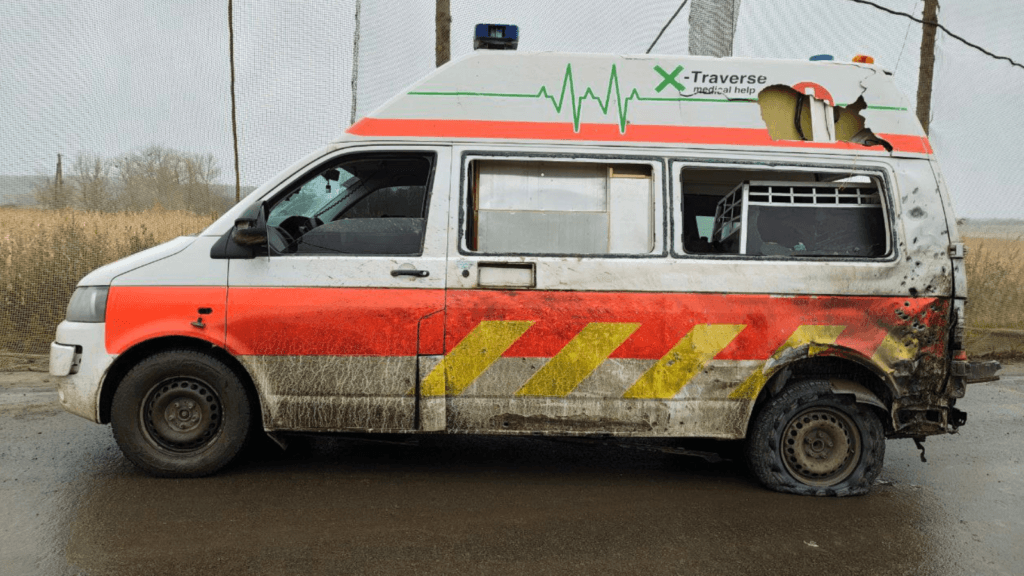
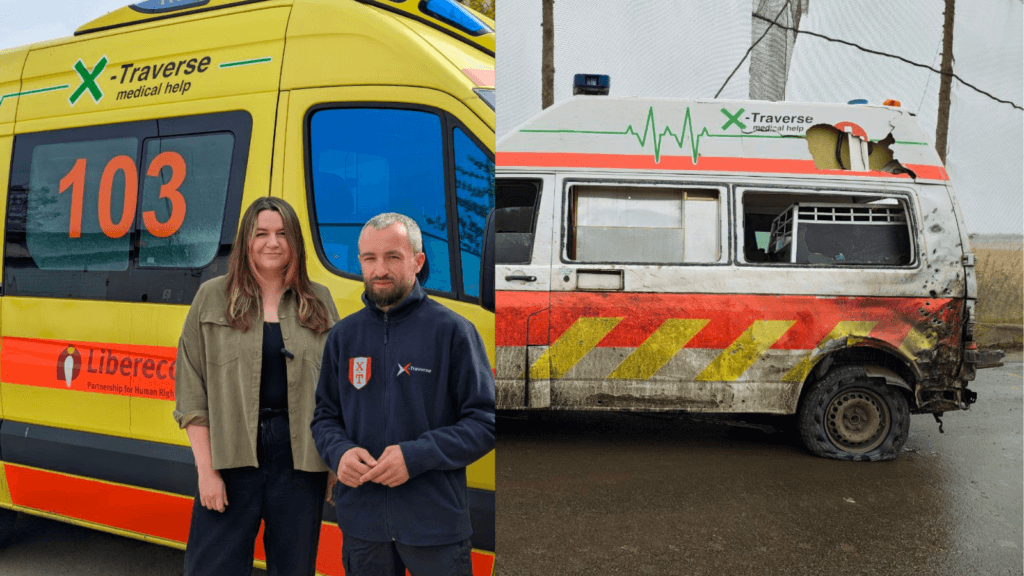
Fuel costs, medical care, repairs to the ambulance after every trip. Salary for Ruslan, who risks his life on each evacuation – even though he is already a father and became a father again in the autumn of 2025.
How much is this risk worth? Into what number can his personal commitment, his constant exposure to danger, be translated?
I also look at the data of those who have been rescued so far. The oldest woman was born in 1933. She was evacuated together with her husband. They have survived everything the 20th century had to offer in terms of hardship – and now, amid active fighting, they are forced once again to flee and fear for their lives.
It’s a simple calculation: the money spent so far divided by the number of people rescued so far.
€115.56 are needed to bring one person out of the literal hell of Kupiansk.
Included in that price are the hours of anxious waiting until a message from Ruslan arrives. Included is the shock upon hearing that the ambulance hit a mine, and the immense relief to learn that no one was injured.
Included too is the fear for one’s own relatives living less than 100 kilometers from the active front, and the effort it takes to push that fear aside.
€115.56 for one saved human life – in the end, that sounds like a good deal.
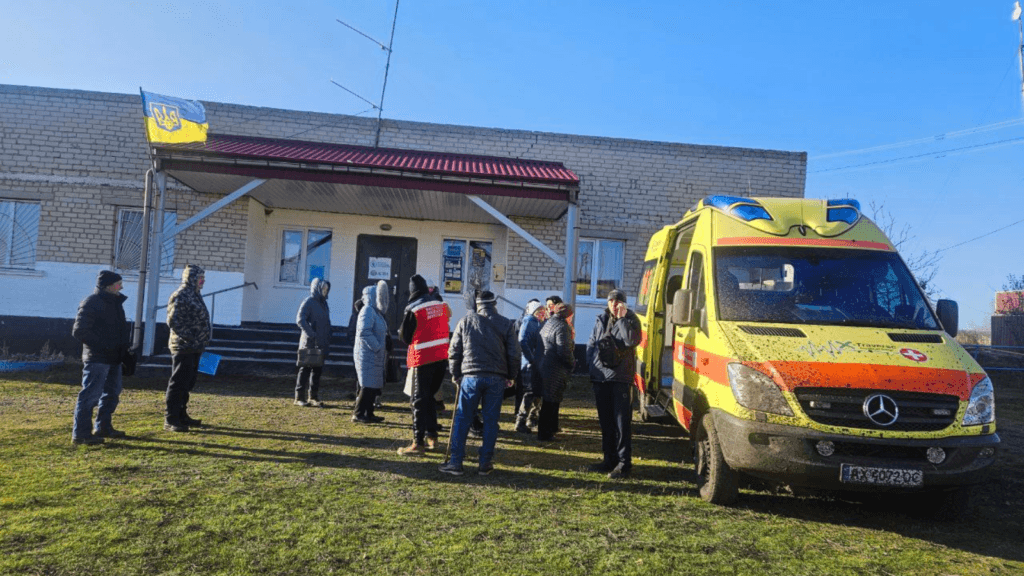
Fotos aus dem Archiv von X‑Traverse und Libereco
From

Ira Ganzhorn
Humanitarian Aid Officer