
Resistance in temporarily Russian-occupied Crimea: Bohdan Ziza’s Story and the Fight for Freedom
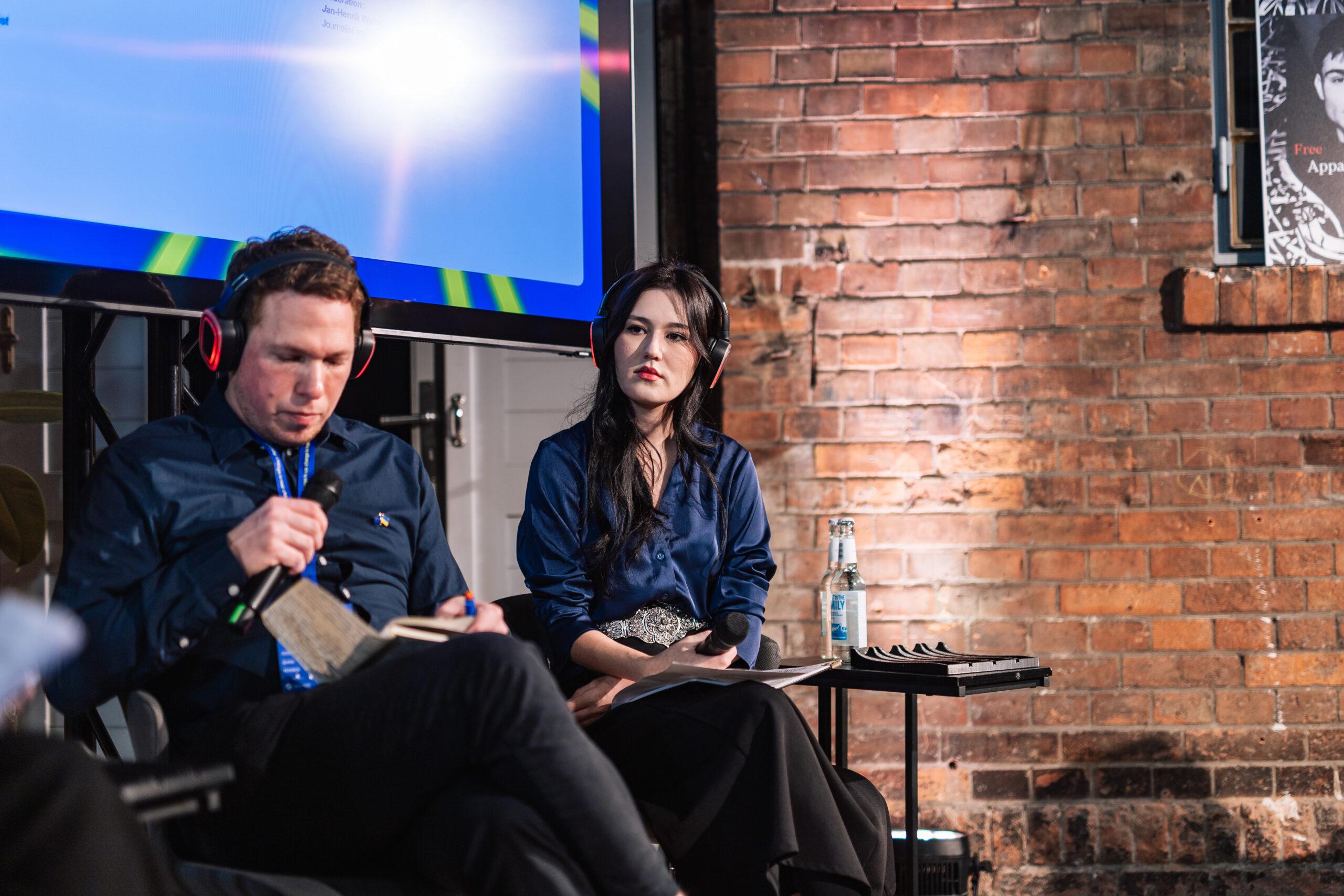
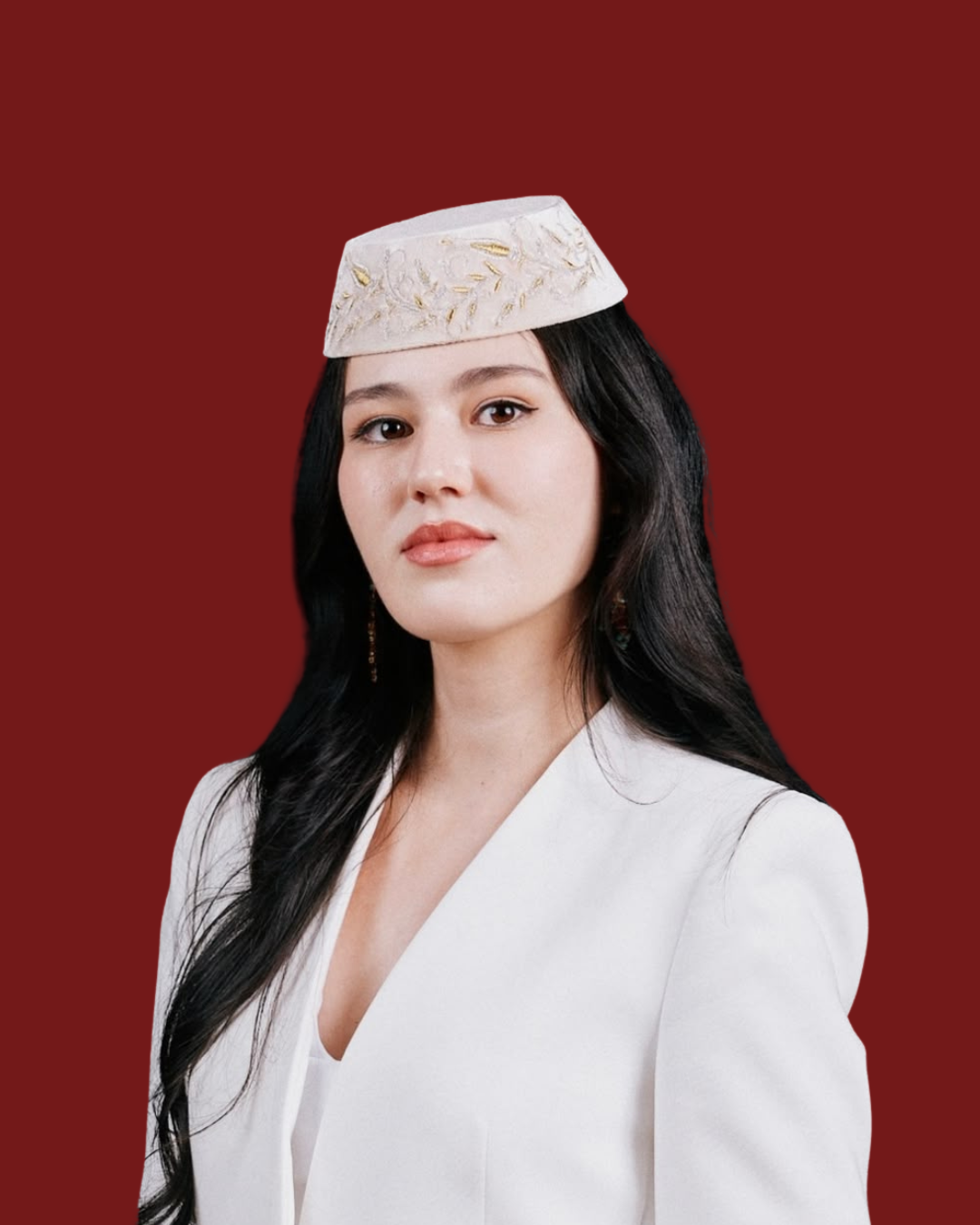
Lia raises international awareness about the ongoing repression of Crimean Tatars by bringing first-hand advocacy to major international platforms like the UN, the OSCE, the European Parliament, and the Oslo Freedom Forum.
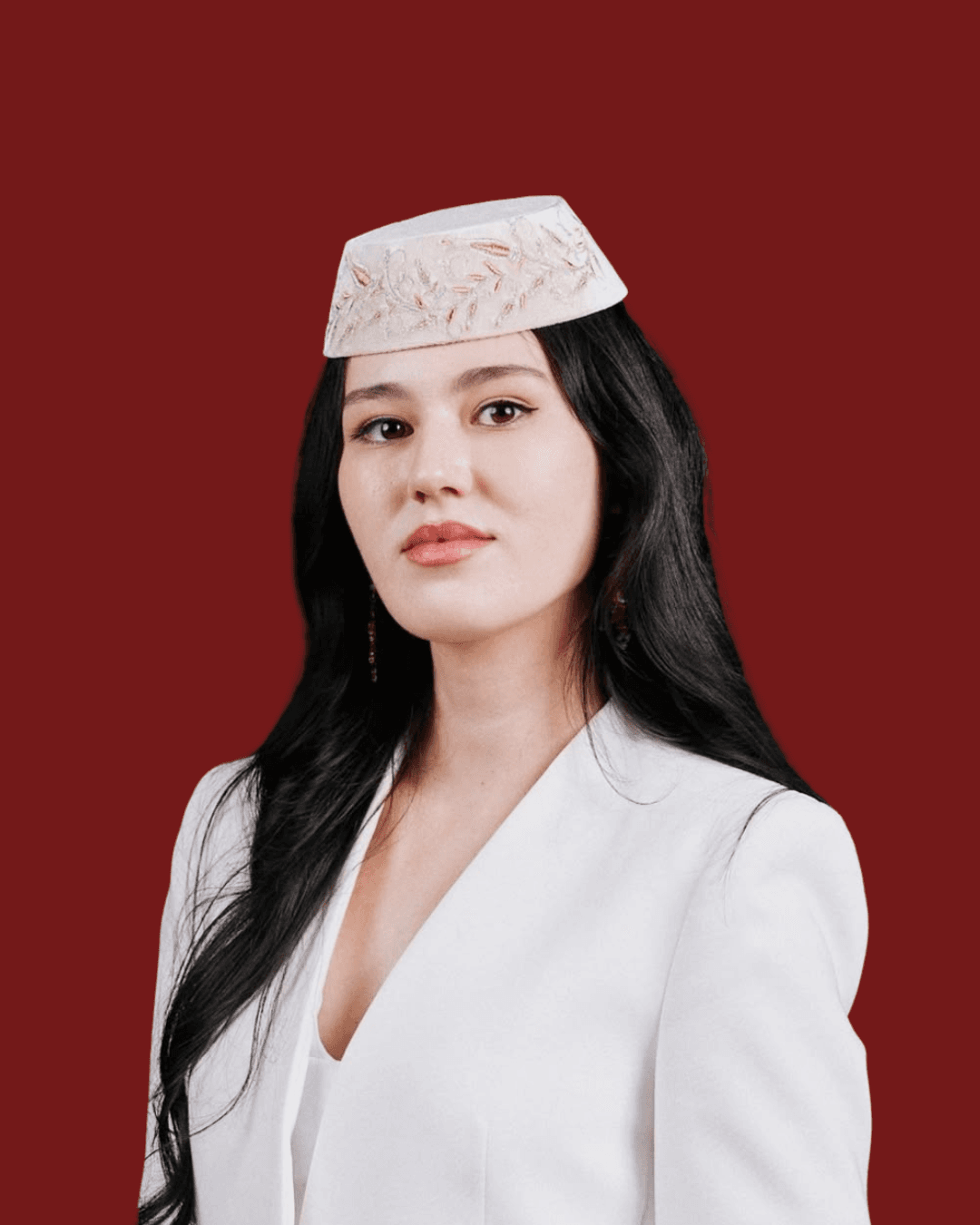
Lia Gazi
Crimean Tatar human rights activist
Bohdan Ziza is a Ukrainian artist and activist from Yevpatoria in Russian-occupied Crimea.
In May 2022, he protested against Russia’s full-scale invasion of Ukraine by pouring blue and yellow paint over the entrance to the Russian occupation administration building in Yevpatoria.
He was arrested shortly afterwards. In June 2023, a Russian military court sentenced him to 15 years in prison on charges including terrorism.
Bohdan has been transferred through several Russian detention facilities, far from his home in Crimea. In his letter, he describes the exhausting conditions of prisoner transfers, the loss of freedom and the struggle to preserve his identity and dignity.
His words offer a deeply personal insight into life in Russian captivity.
The Reality of Russian Occupation
What is often missing from ordinary news reports is that there is also civil resistance, and it must be mentioned.
Ukrainian people in occupied Crimea have been forcibly deported to prisons in the Russian Federation. Others have been transferred from Crimea to Mariupol, Melitopol and then all the way to Buryatia, in Siberia.
The conditions in these prisons are terrible. People face beatings and killings without any reason. That’s why it is so important to remember the Crimean prisoners.
And this is also the reality for millions of people who are forced to live in occupied territories. They have to change their lives and be aware of every single word and action. They can’t even communicate freely with their friends or family in other countries.
That’s exactly what Russian rule means.
Bohdan Ziza’s Situation in Russian Captivity
Bohdan’s situation right now is very urgent and difficult.
This summer, Russia decided to punish him by sending him even deeper into Siberia. He was placed in a strict prison colony in Buryatia, thousands of miles away from Crimea.
As soon as he arrived, the guards immediately put him in solitary confinement for ten days. This is a classic tactic used to break a new prisoner’s spirit right from the start.
Gallery
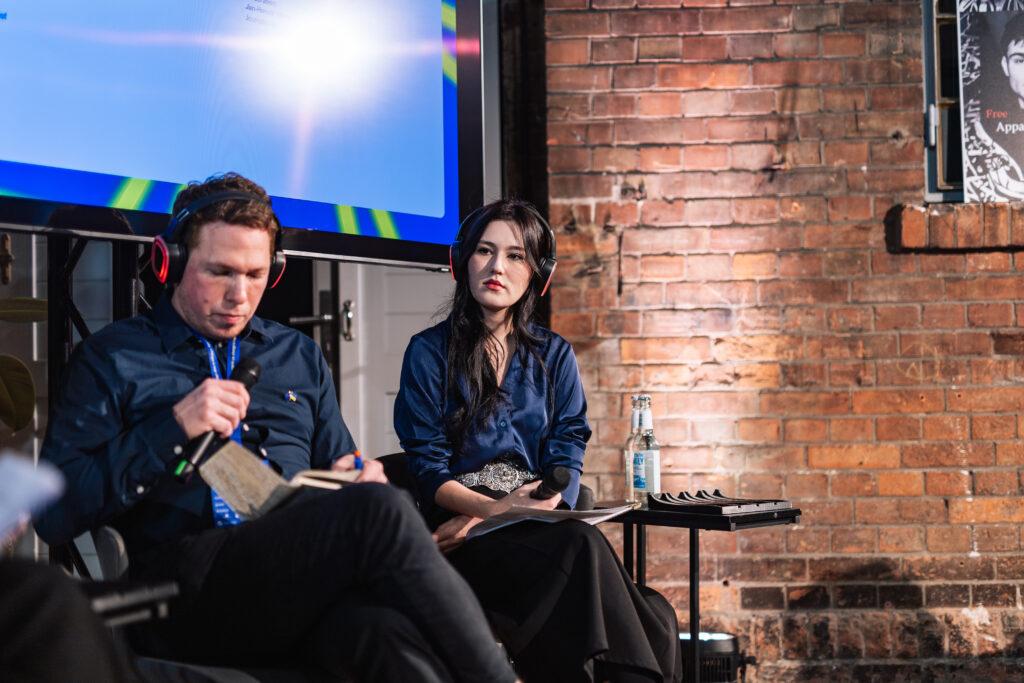
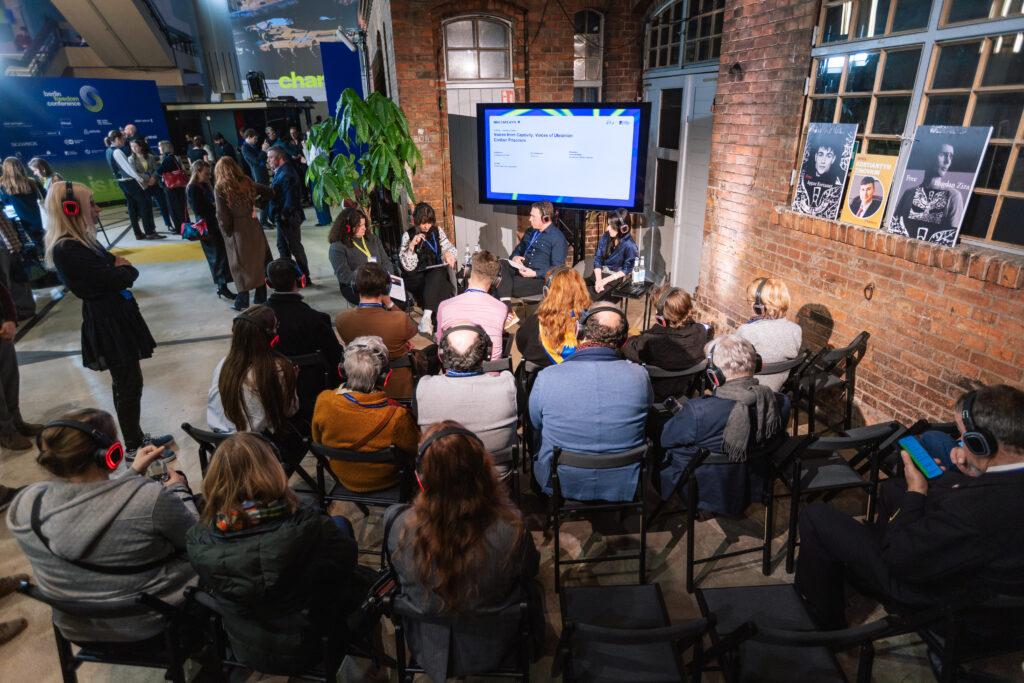
He has been in Russian captivity for four years now. Because of the cold, unsanitary conditions and lack of medical help, his health has worsened. He is suffering from medical issues, but the prison administration refuses to provide him with proper medical care.
He is now so isolated that his family cannot even communicate with him. His sister cannot call him, and even letters have difficulty reaching him.
He has been sentenced to 15 years in prison under conditions that reduce his chances of being released alive.
Resistance Continues in temporarily occupied Crimea
Even though Russia uses all its force to control the population through fear and terror, the resistance has never stopped.
It is still alive today, even after 12 years of occupation. But it looks different from 2014 because open protests are now almost impossible. People are too terrified of becoming the next victims of Russian repression.
Today, resistance is organised through underground movements such as Atesh and Yellow Ribbon.
Because people cannot gather in the streets, they use hidden ways to fight back.
For example, people in Crimea secretly take photos of Russian military bases and troop movements and send this information to the Ukrainian military. This is very dangerous, but people do it because they want to help liberate their land.
There is also the more symbolic and visual Yellow Ribbon movement. Activists secretly tie yellow ribbons to trees, fences and other places. They paint Ukrainian symbols on walls and put up posters against the war.
In this way, Crimeans try to show Russia that Crimea is Ukraine. Even though Russia controls the territory by force, it cannot control people’s minds, even after 12 years.
At the same time, Russians post videos of people being abducted almost every day. Many of those detained have simply left pro-Ukrainian comments on social media.
A single comment can lead to detention and punishment. That’s why people are terrified to even talk about Ukraine, including with their loved ones.
From
Lia Gazi
Crimean Tatar human rights activist