
“I wanted to survive for the sake of my children” Mother’s Day in Belarus
14 October is Mother’s Day in Belarus, but many mothers have been, or still are, political prisoners of an inhumane system. Countless children have been forced to grow up without their mothers because the regime took them away for political reasons. This is the painful reality in Belarus.
Florian Wiedemann
Program Manager Belarus
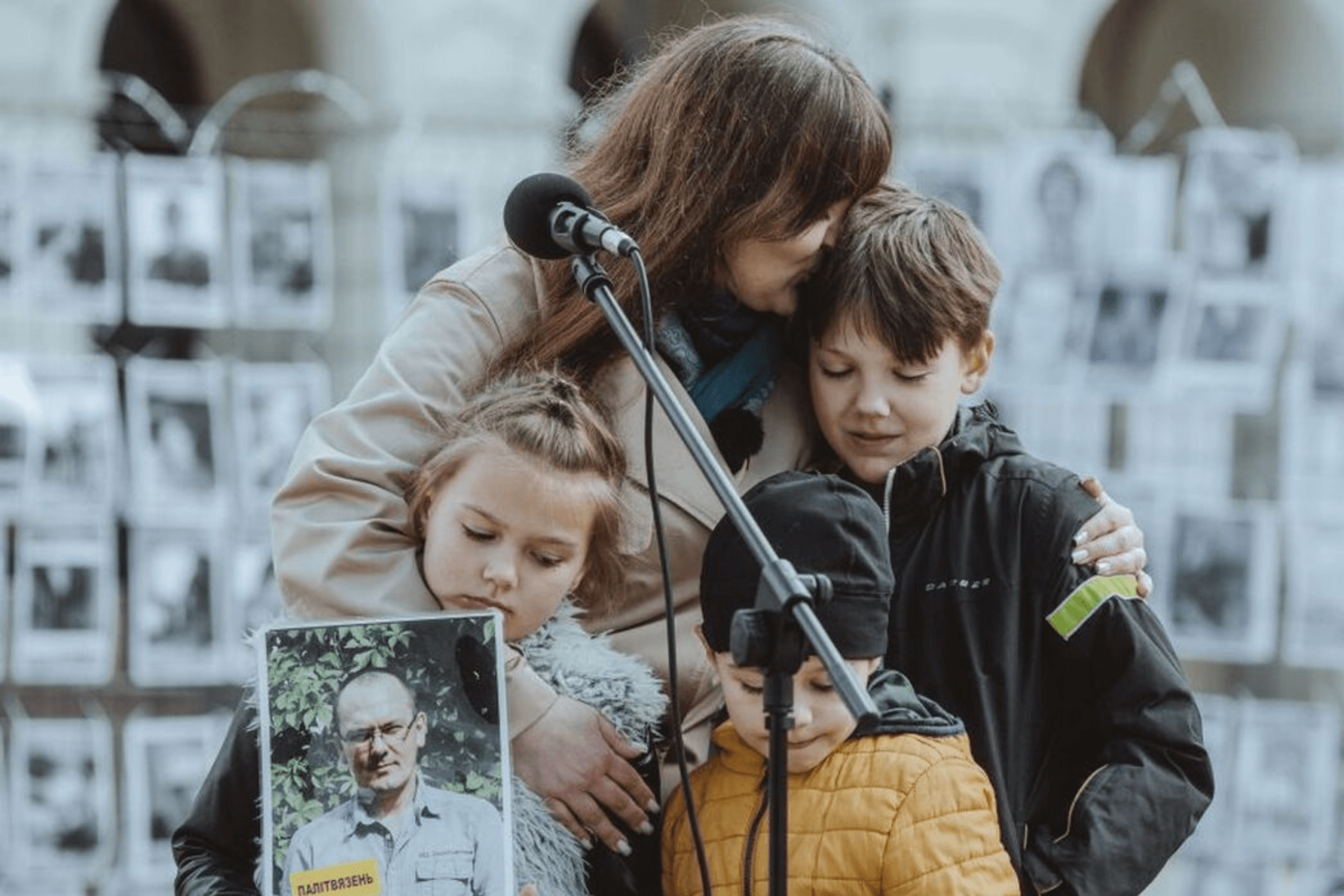
14 October is Mother’s Day in Belarus, but many mothers have been, or still are, political prisoners of an inhumane system. Countless children have been forced to grow up without their mothers because the regime took them away for political reasons. This is the painful reality in Belarus.
I wanted to survive for the sake of my children (Antanina Kanavalava).
Since 2020, more than 900 women in Belarus have been sentenced to prison terms of several years on political grounds. Currently, at least 113 female political prisoners are awaiting release to return to their families. Many of these women have young children who have been without them for years, missing out on their upbringing.
For a mother not to see her children for four years is real torture […] The authorities know this and rub salt into this maternal wound every day, demanding I sign confessions and cooperate (Antanina Kanavalava).
The regime’s repression affects children as much as it affects their mothers. They are forced to grow up without their mothers’ care. They are usually too young to properly process, let alone understand, what is happening. Children cannot possibly imagine that their mother would be taken away simply for peacefully protesting or publicly expressing her opinion.
Female political prisoners are subjected to gender-based violence and denied access to hygiene products and adequate gynaecological care. Mothers are considered a particularly vulnerable group as they are confronted not only with detention conditions that violate human rights and are discriminatory, but also with the fact that the regime actively uses their children to exert pressure on political prisoners. They are often threatened with the revocation of their parental rights and the removal of their children into foster care.
Geschichten von ehemaligen politischen Gefangenen
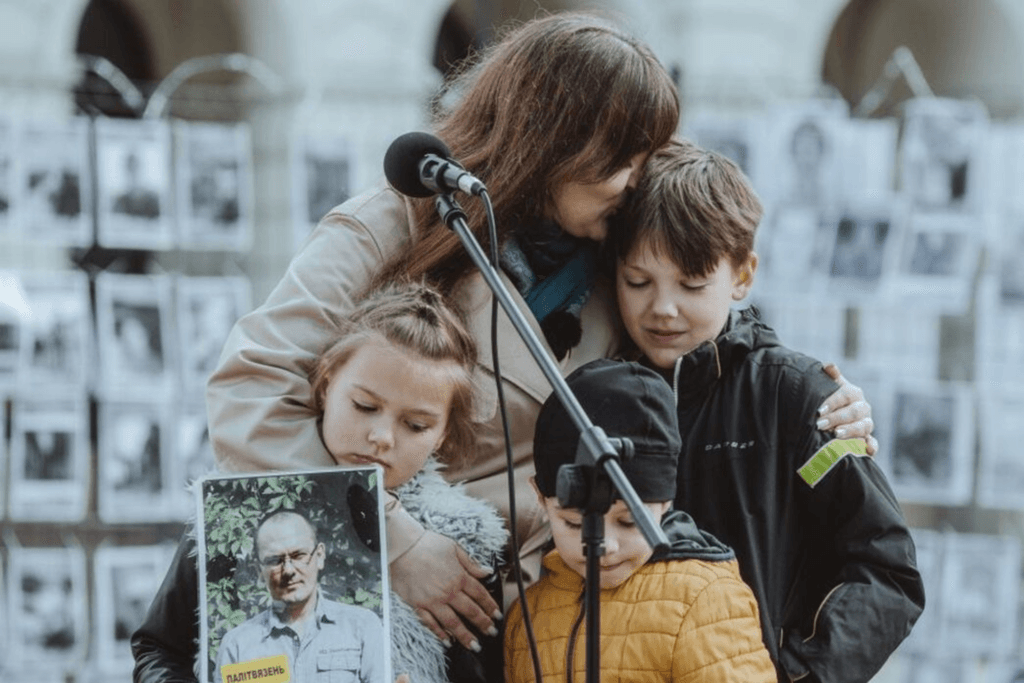
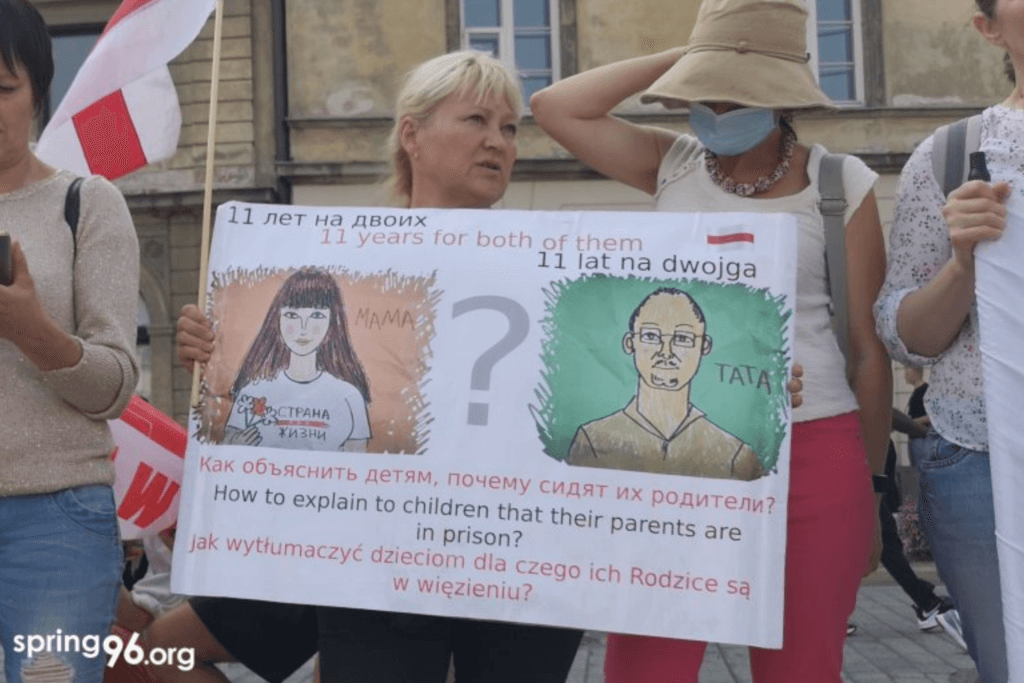
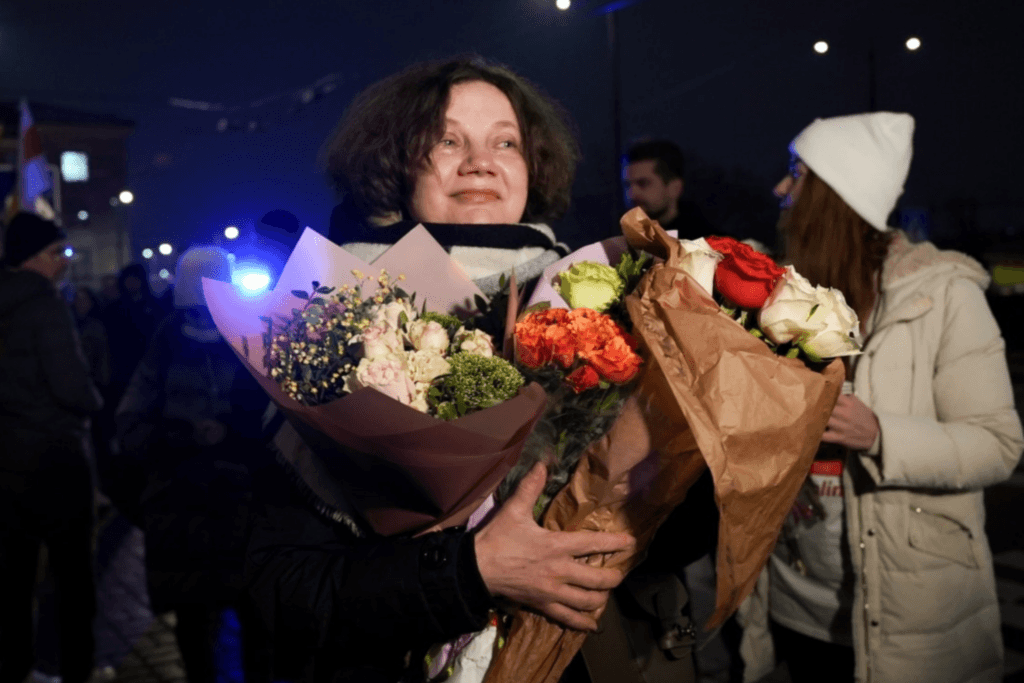
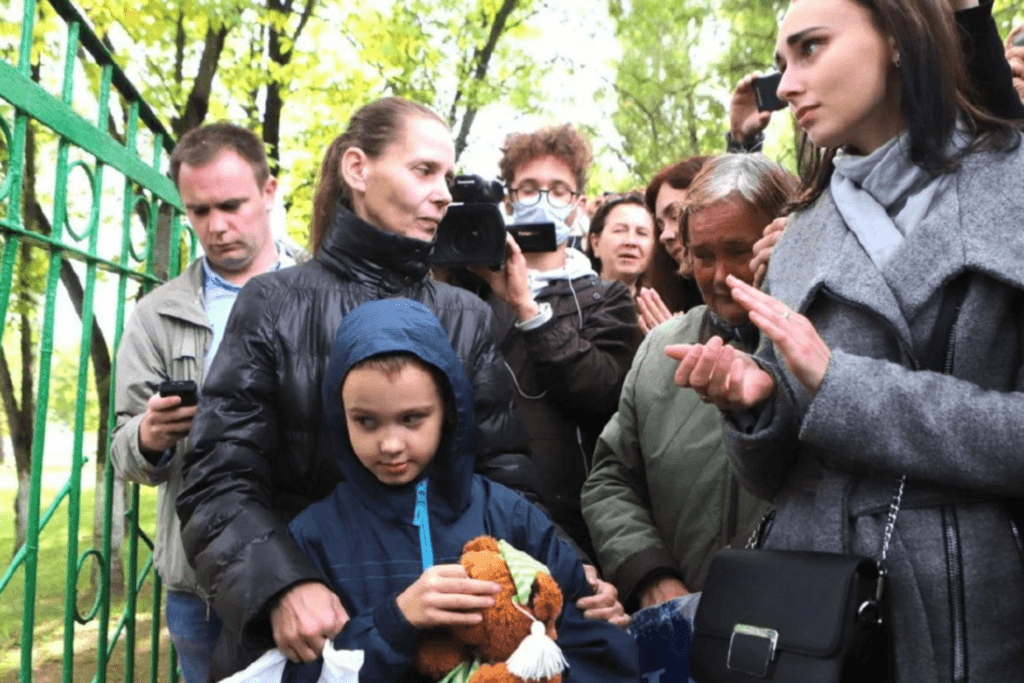
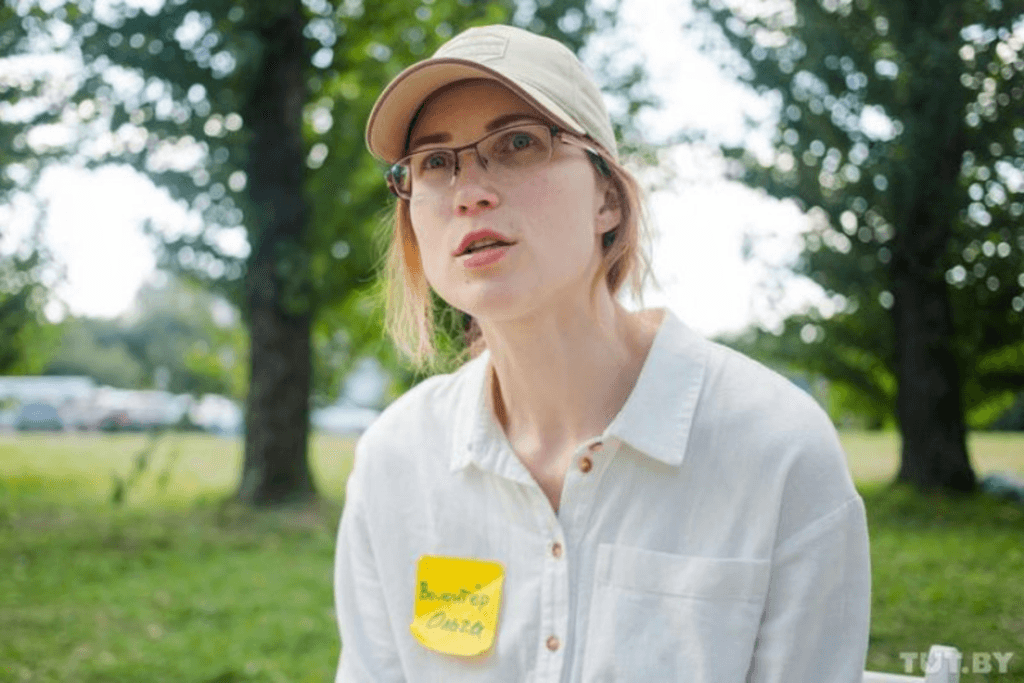
Due to their politically motivated convictions, they are already considered “extremists” and a “socially dangerous environment”. This circumstance enables the regime to place their children in foster care for up to six months without a court order.
The fear of losing my own children haunts me even in my dreams (Antanina Kanavalava).
Political repression can be a source of trauma for mothers and their children. At the same time, children are not permitted to visit their imprisoned parents because the authorities deem such visits too traumatic. In this way, the regime fosters emotional alienation within families and breaks mothers down, threatening to rob their children of a future. Lukashenko’s message on Mother’s Day in 2025 was particularly cynical. In it, he states that mothers “are the soul and guardian of the family […] [and] lovingly create a home full of security and harmony”, thus bearing a “profound responsibility”.
For many political prisoners, Mother’s Day is a painful reminder of time stolen from their children and developmental milestones missed.
Here’s how you can help:
Write a postcard or letter to political prisoners. You can find a list of addresses on the Viasna website. We have put together detailed instructions on how to write letters to political prisoners.
From

Florian Wiedemann
Program Manager Belarus
Florian Wiedemann studied International Eastern European Studies at the Department of Slavic Studies at the University of Zurich. During his studies, he focused extensively on Belarus, Chernobyl and the Belarusian opposition movements.