
Hope Is Stronger Than Captivity
This blog looks at the Shadows Behind Bars project and discusses how despite their terrible conditions and imprisonment, prisoners were able to stay hopeful throughout their sentences.

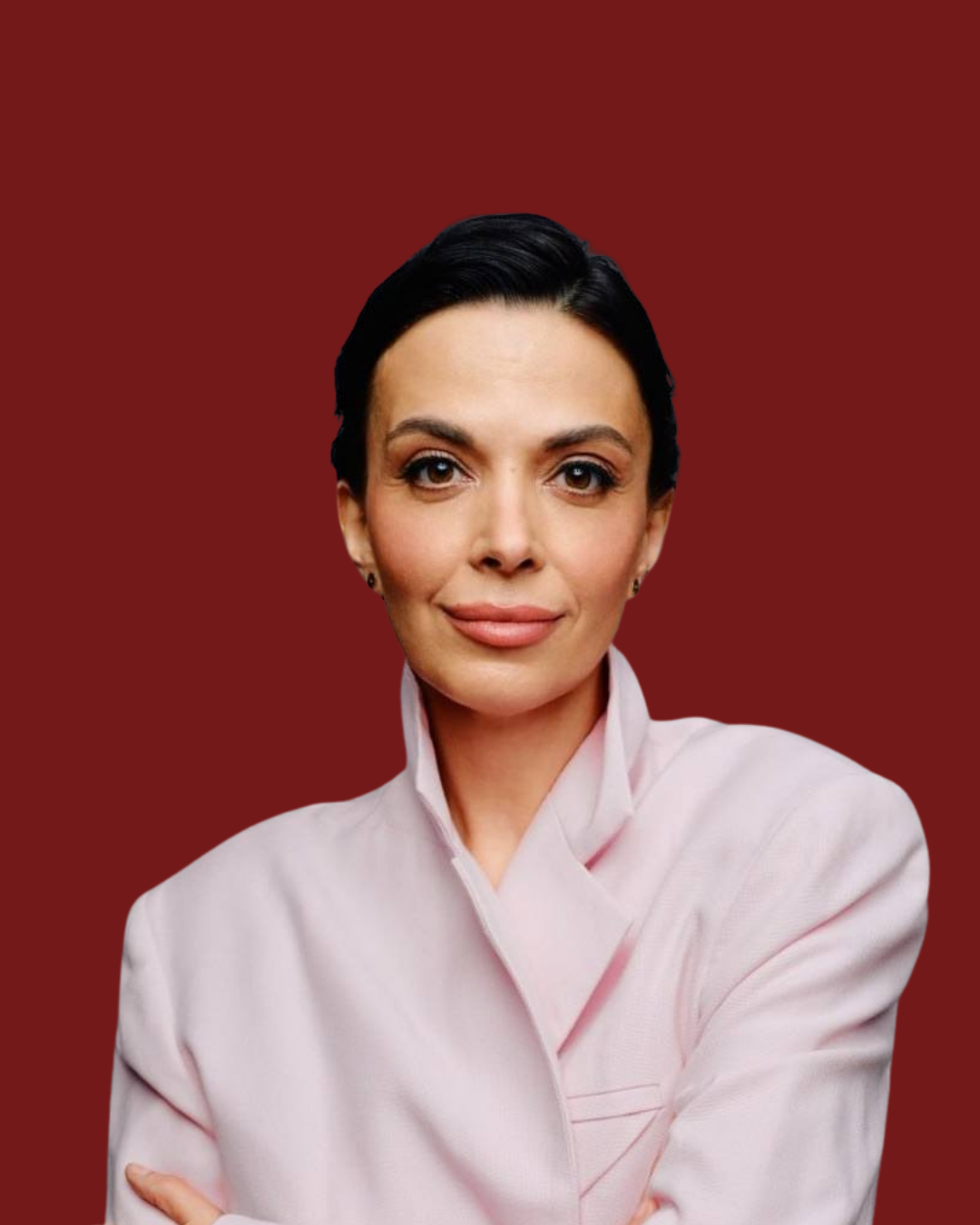
Liubov Pravdina
Head of the NGO “New Ukrainian Narratives”
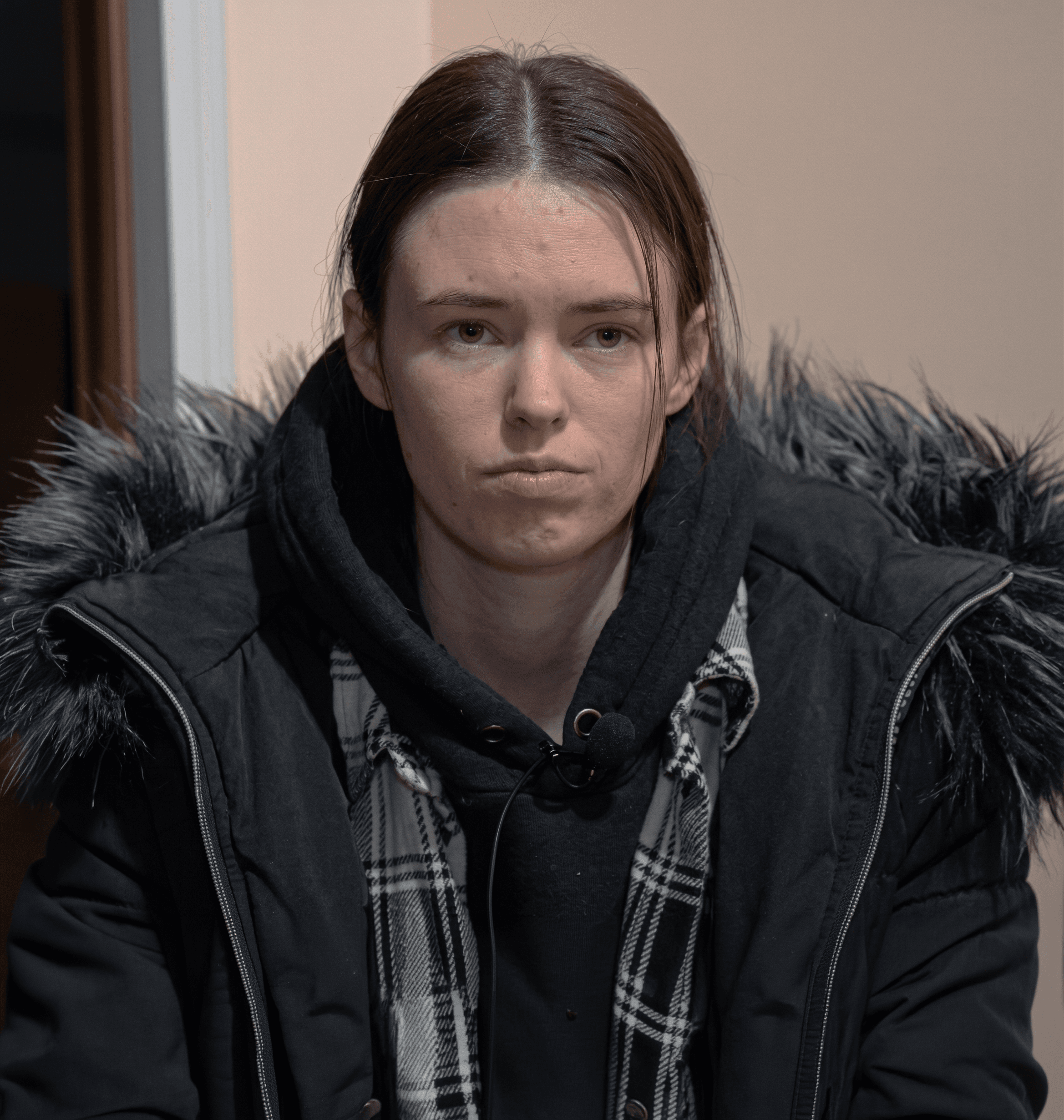
When our team started the Shadows Behind Bars project, dedicated to Ukrainian civilians illegally held captive by Russia, we knew that a difficult journey lay ahead.
We were facing dozens of meetings with the families of civilian captives and with people who had survived Russian captivity. We knew we would hear stories of abduction, torture, isolation, uncertainty, and loss.
We expected a great deal of pain.
And there was indeed a great deal of it.
It was there in the words of mothers who have had no news of their children for years and live every day with the question: Are their children even still alive?
It was there in the stories of wives who continue to write letters to their husbands, trying to support them even from afar, and sending photographs of children who have grown up during the years of captivity.
It was there in the appeals of children searching everywhere for their elderly parents — through letters, social media, and international organisations — clinging to every possible chance of finding even the smallest clue.
It was there in conversations with former captives who are learning how to live again after torture, isolation, and years stolen from their lives.
But quite soon, we noticed something else.
Hope.
Quiet, stubborn, without grand words or illusions — the kind of hope that continues to live even where there seems to be almost no space left for it.
Here are three stories. Different, yet at the same time very similar.
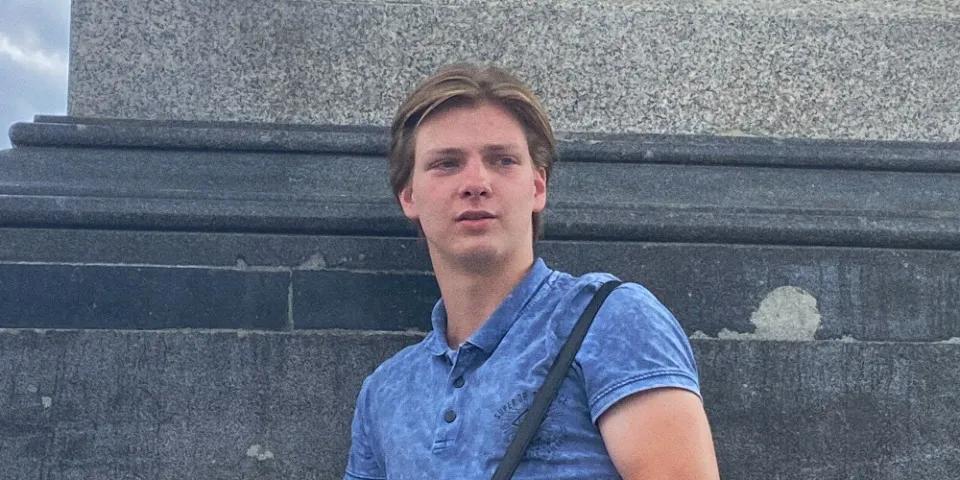
Danylo Yefimov dreamed of studying at a university in Kyiv. To bring himself closer to that dream, he did a great deal on his own, including learning Ukrainian while living under occupation. He wanted to leave, renew his documents, and start a life in a free country. Instead, Russia sentenced him to 12 years in a maximum-security penal colony for making several donations in support of Ukraine. In Danylo’s case, it is clear that the reason for his persecution was not only his specific actions, but also the young man’s choice to remain Ukrainian. Even in captivity, Danylo continues to write poetry — in Ukrainian.
Gallery
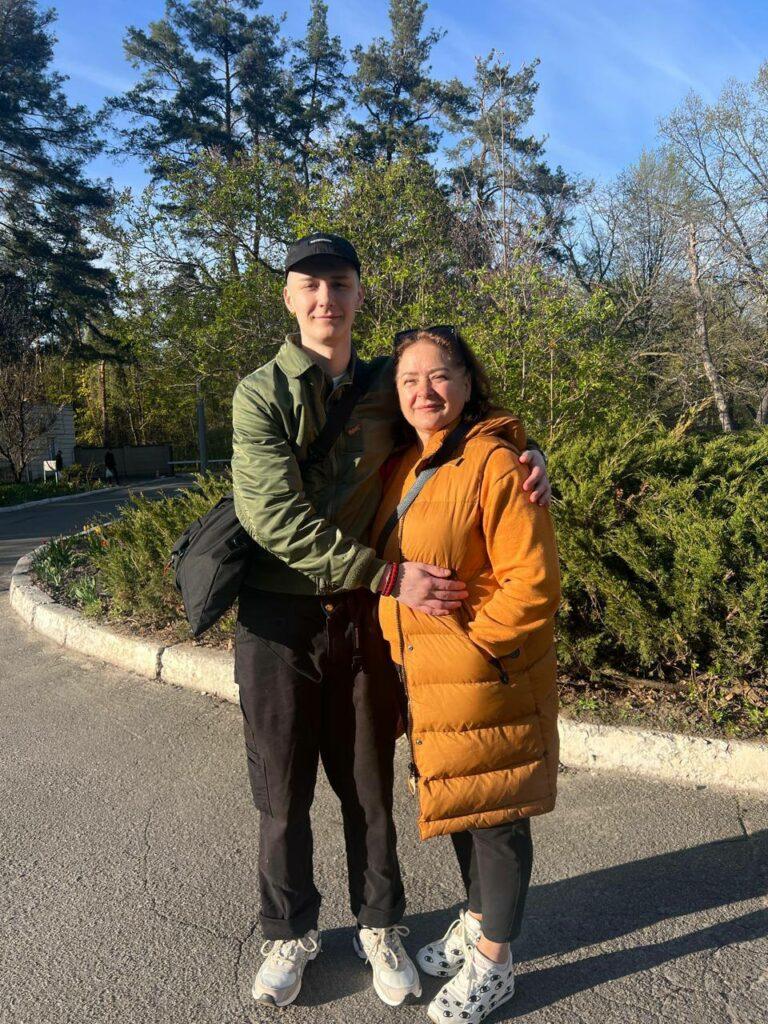
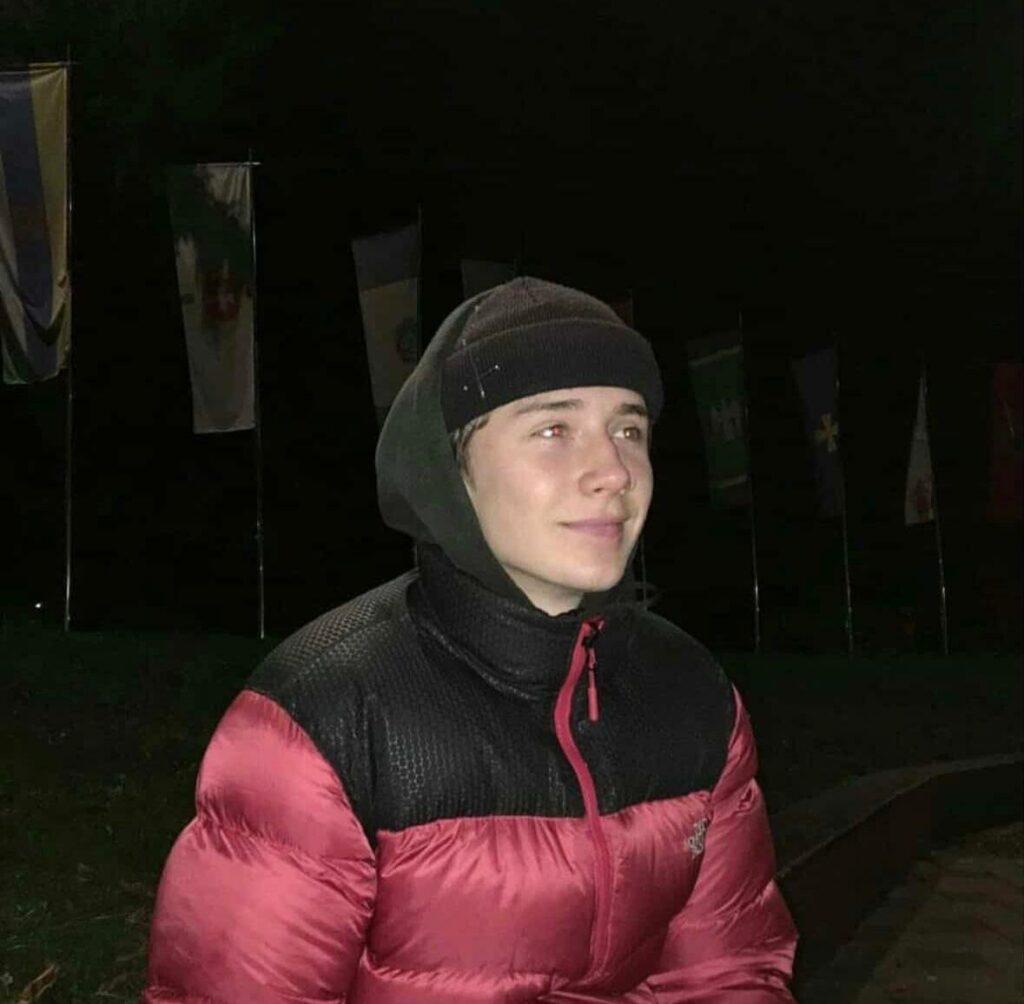
Oleksii Kovtun was 19 when a routine document check in occupied Bucha turned into 1,492 days of Russian captivity. Russian soldiers detained him and held him in a pit in the forest, while a man from his hometown was beaten to death. All of this happened within just a few days. Oleksii was then taken to Russia, where the torture continued and he was held for years without formal charges. In April 2026, Oleksii was finally able to return home as part of another exchange. When asked what had helped him endure all those years, Oleksii spoke about letters from his mother, in which she wrote that she hoped she had passed on her love of life and optimism to him. There was also sport: 400 push-ups out of sight of the guards helped him keep his mind clear.
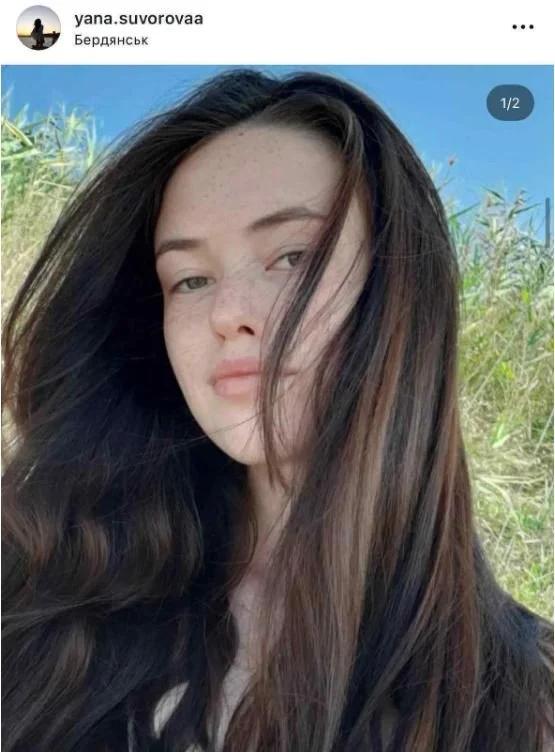
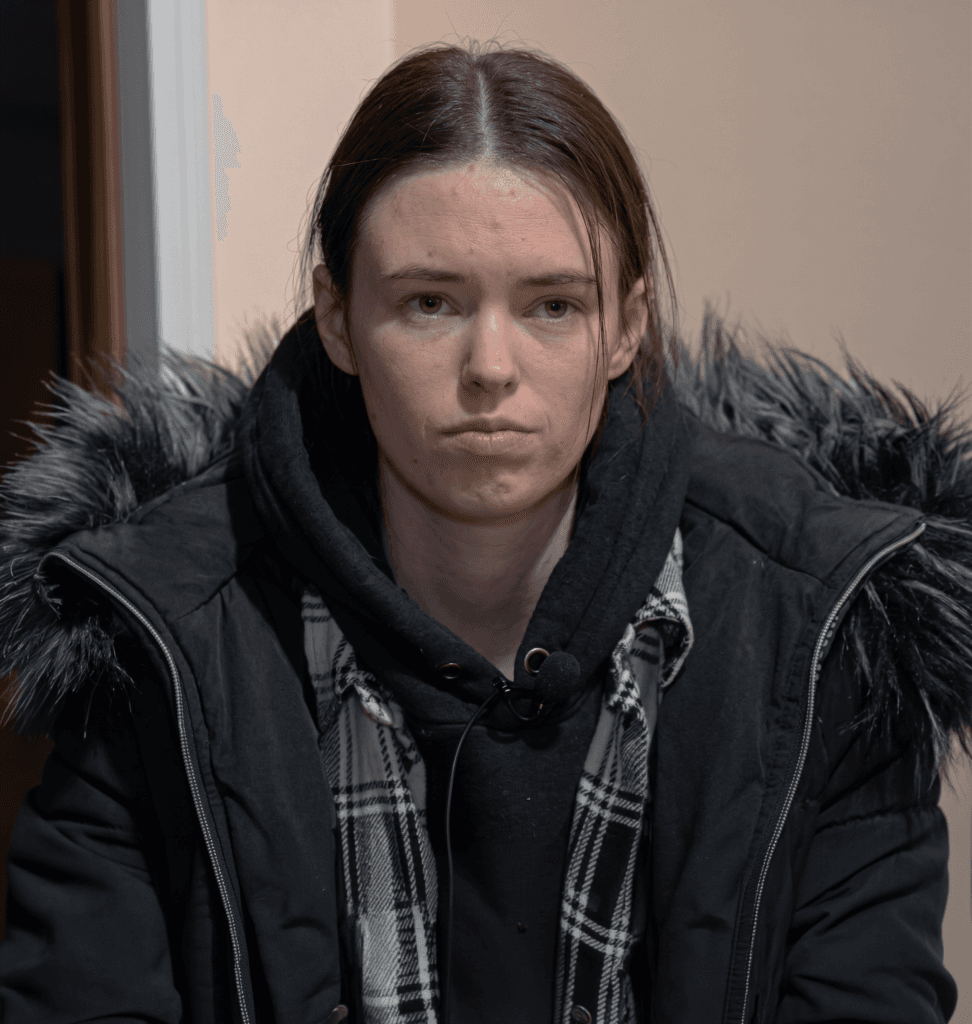
Yana Suvorova helped people in occupied Melitopol through a Telegram channel — finding doctors, transport, humanitarian aid, and, simply put, helping people stay connected. She was an ordinary student, not a member of the military. For this, Russia accused her of terrorism and espionage and sentenced her to 14 years in prison. Within a few months, the Russian repressive system had erased the bright smile from her face that her loved ones remembered so well. Today, Yana’s only connection to the outside world is through letters, which she writes in Russian and sends via the prison service Zonatelecom. In one of them, she shared a simple dream:
“If only I could just watch Ptushkin’s programme…”
(a well-known Ukrainian travel show)
Today, thousands of Ukrainian civilians remain in Russian captivity without a clear legal status and without an effective mechanism for their release.
Their stories must not remain invisible.
As long as the world remembers them, there is still a chance to bring them home.
Unfortunately, space and time allow us to tell only three of thousands of stories here.
During our work on the project, we have heard many more such testimonies — stories of people whose lives have been shattered by Russian captivity, but whose hope could not be broken.
We continue to collect and share these stories on the Shadows Behind Bars project website so that civilian captives and their families do not remain invisible to the world.
From
Liubov Pravdina
Head of the NGO “New Ukrainian Narratives”