
Amnesty and deportation for 25 political prisoners from Belarus
‘I left 30 kilos of my body weight behind in my homeland.’ 25 political prisoners were pardoned and deported to Lithuania. But what does this newly regained freedom in another country mean for the former political prisoners?
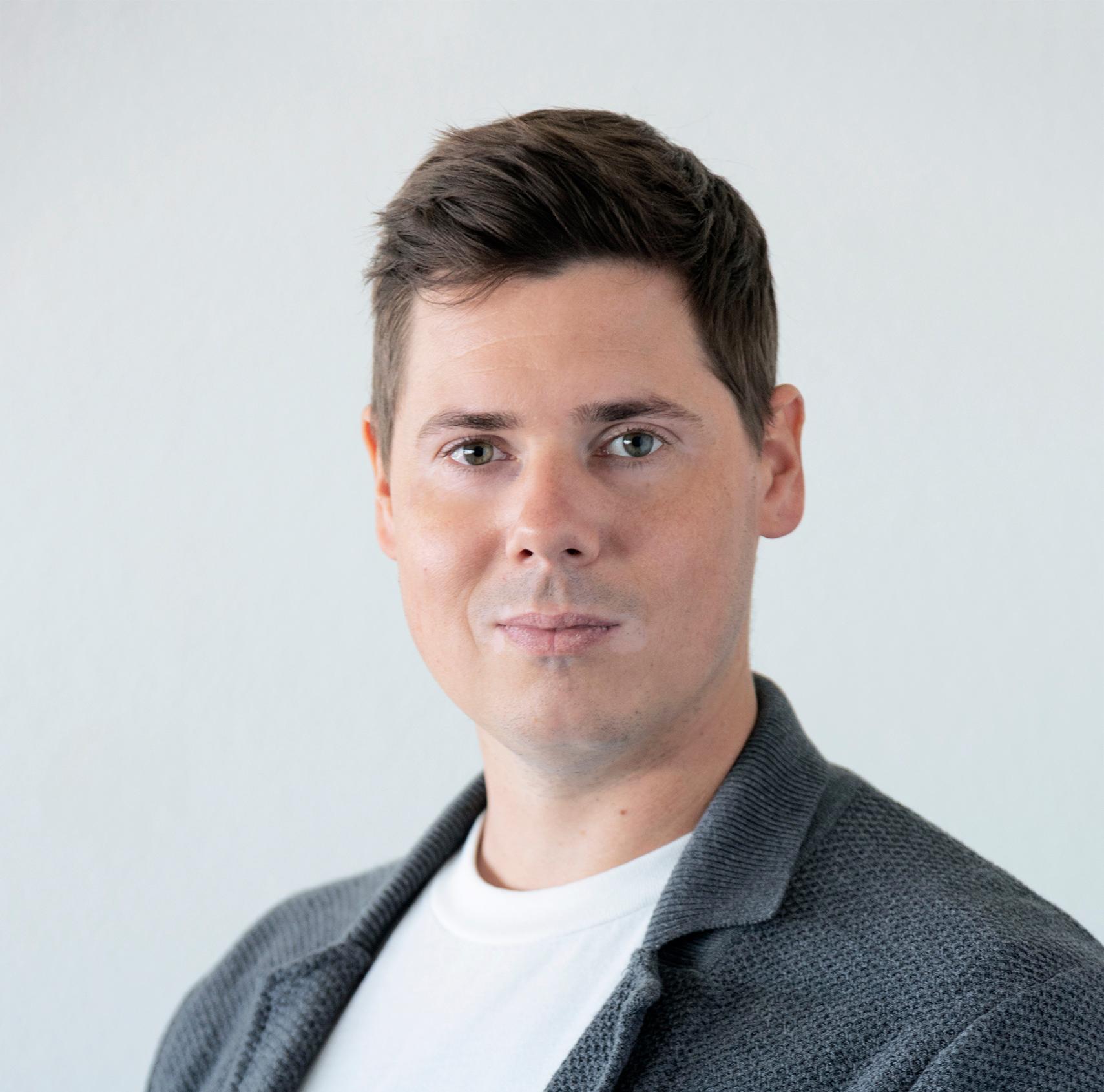
Florian Wiedemann
Program Manager Belarus
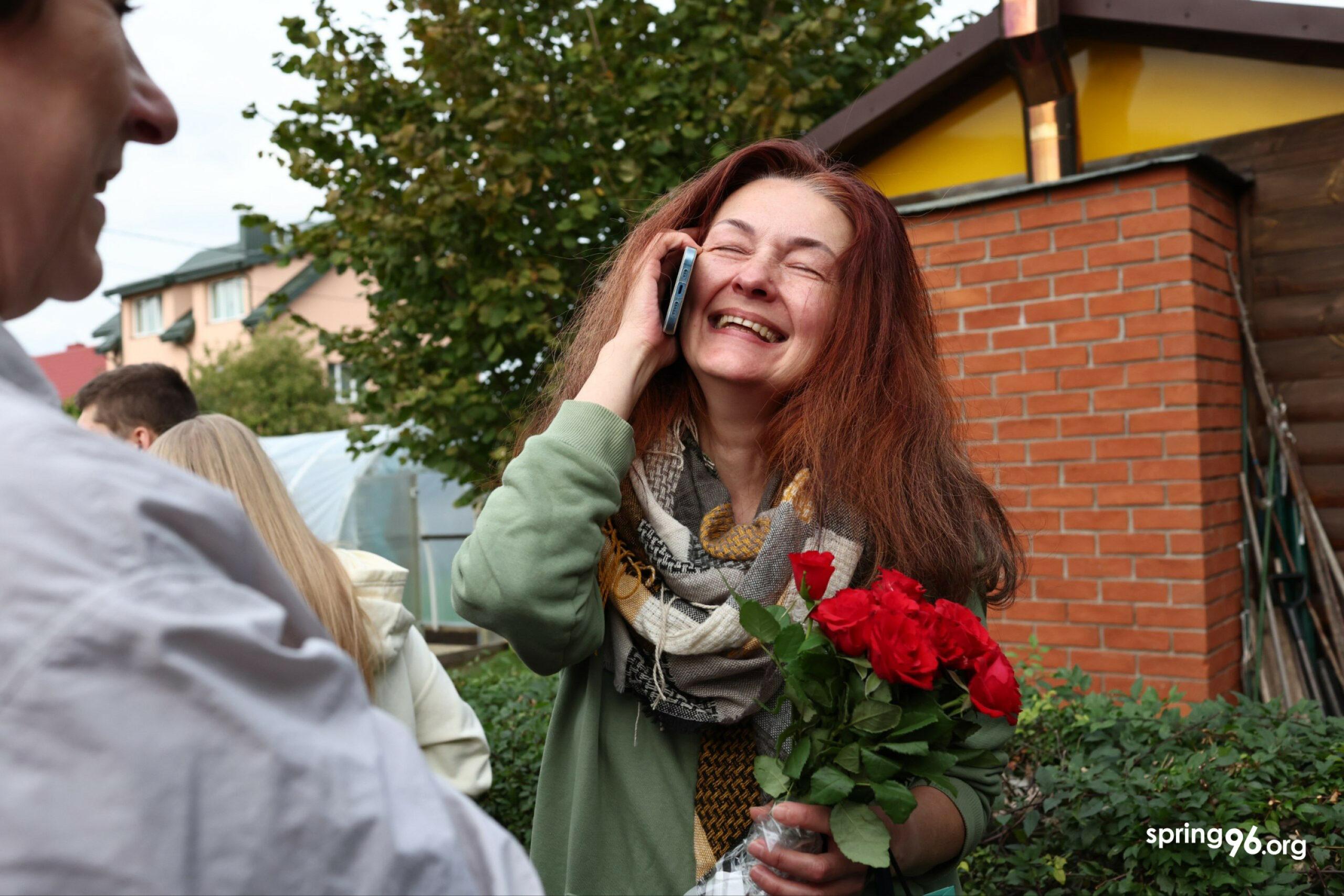
Following a meeting between US Special Envoy John Coale and Aliksandr Lukashenka on 16 September, the Belarusian leader granted an amnesty to 25 political prisoners. In return, he received an easing of sanctions.
Among those released were, amongst others, all members of the Belarusian rock band Tor Band; Sviatlana Yakubovich, a volunteer at Viasna; Pavel Belavus, a cultural figure and founder of a souvenir shop; and Lyudmila Chekina, former managing director of TUT.BY, Belarus’s largest independent online media outlet.
They are all now free. But instead of returning to their families, these undocumented people were deported from Belarus to Lithuania (in this instance, this applies to all 25 of those released; in previous amnesty waves, some were allowed to remain in Belarus). Whilst they are now safe, their forced odyssey continues, albeit under different circumstances.
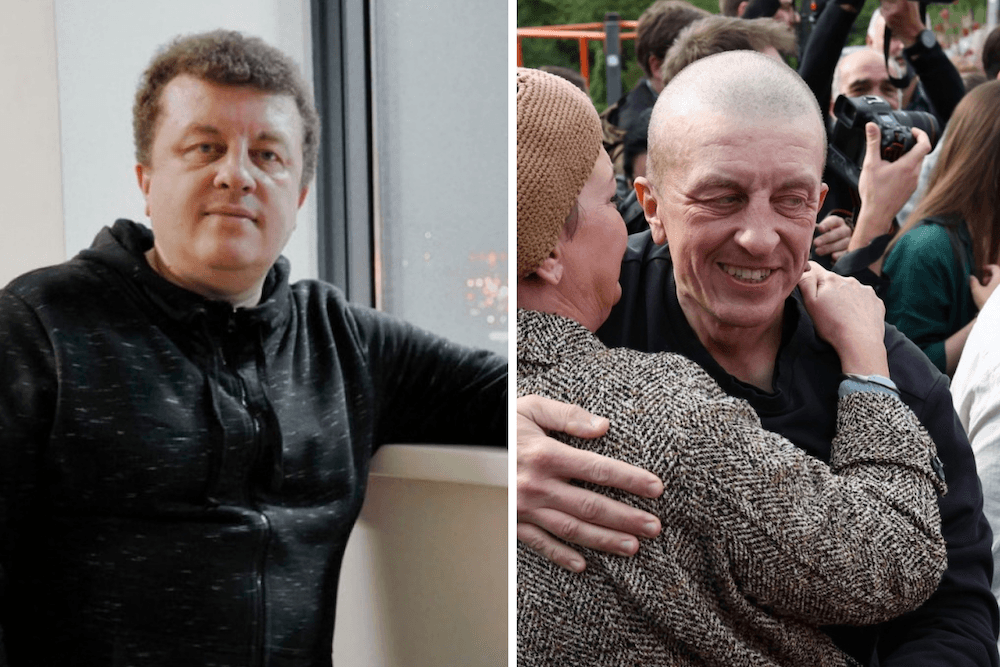
I left 30 kilos of my weight behind in my home country. (Andrei Aliaksandrau)
These former political prisoners share a common fate: they were all unlawfully sentenced to long prison terms on flimsy pretexts simply for freely expressing their opinions, engaging in peaceful resistance against the regime, or simply for not sharing its views.
In Belarus, political prisoners are held in a penal system that violates human rights and is discriminatory. Food rations are inadequate, medical care is virtually non-existent, and the prison regime is characterised by arbitrariness. Imprisonment leaves physical and psychological scars, particularly among former political prisoners; the longer the period of imprisonment, the deeper the scars that now need to be healed.
Gallery
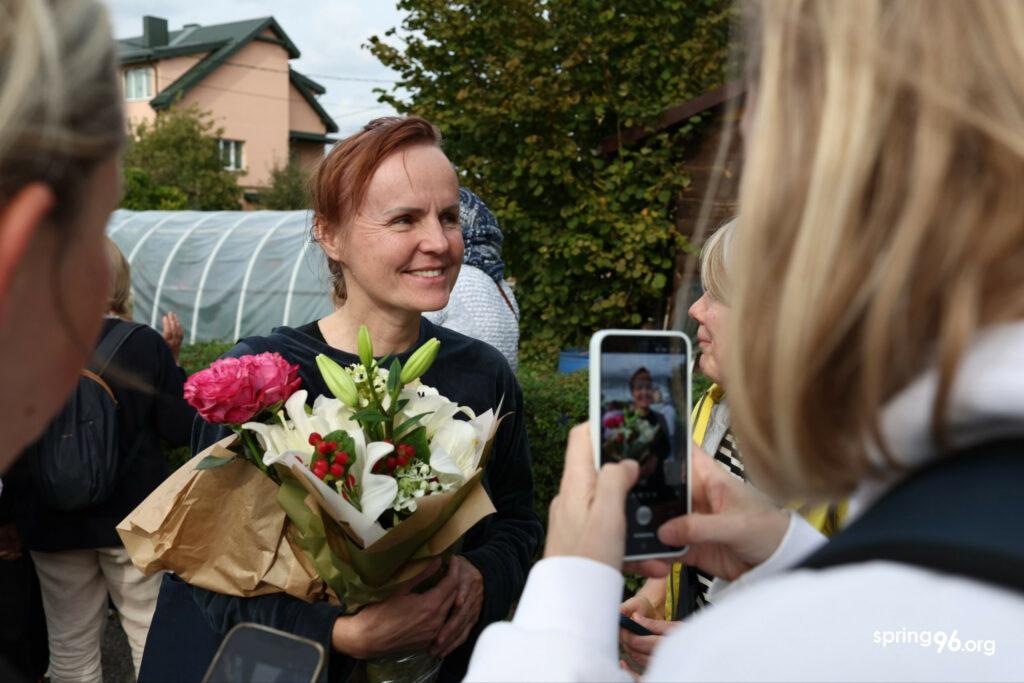
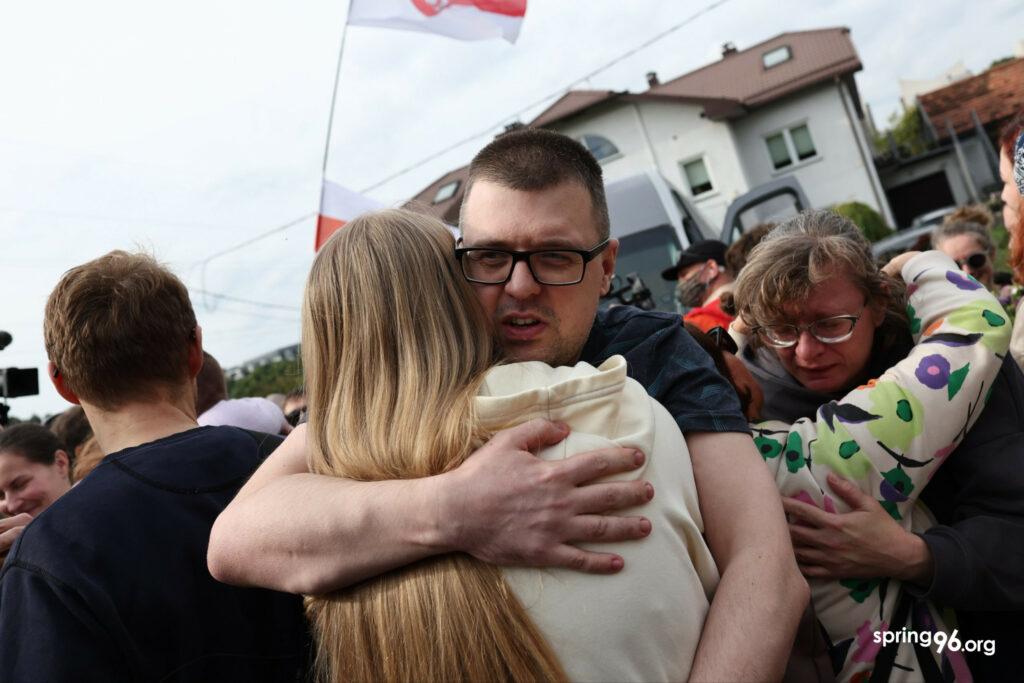
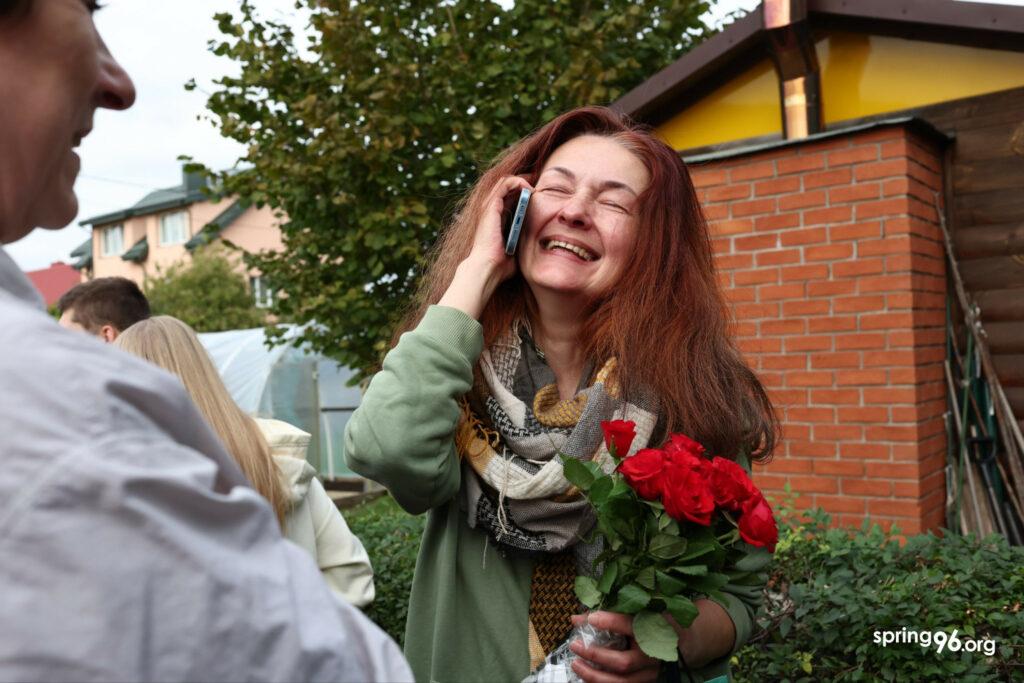
Life behind bars is very hard. It’s like being buried alive. Our parents have died, and we were unable to attend their funerals. Our children have grown up without us. (Liudmila Chekina)
The released political prisoners now rely on the unwavering solidarity and tremendous willingness to help shown by Belarusian exile communities across Europe. As well as adjusting to life in freedom, they are dealing with serious health issues, including damaged teeth, chronic illnesses and mental health problems such as post-traumatic stress disorder. These issues must be addressed immediately to make this fresh start easier. On top of everything else, they must go through a protracted and stressful process to obtain a residence permit while having only minimal health coverage. They also have to learn a new language, find somewhere to live, and find a job.
This situation exceeds the financial capacity of Belarusian aid organisations above all else. For this reason, we do more than simply stand in solidarity with former political prisoners. We actively assist them with their medical rehabilitation and support them throughout this process.
With your donation, you are supporting our medical rehabilitation programme for former political prisoners, so that they can settle into their new lives in freedom as soon as possible and overcome the injustice they have suffered.
From

Florian Wiedemann
Program Manager Belarus
Florian Wiedemann studied International Eastern European Studies at the Department of Slavic Studies at the University of Zurich. During his studies, he focused extensively on Belarus, Chernobyl and the Belarusian opposition movements.