
A little peace of mind
Hannah tells the story of two escapes, a dilapidated house in Saksahan, and the search for a place safe from shelling. When we visit her to talk about the new windows in her house, it quickly becomes clear how much loss, fear, and exhaustion lie behind this new home. What new windows can mean for a family that has already had to leave everything behind twice.
Ira Ganzhorn
Humanitarian Aid Officer
It had to be quiet
Hannah is fifty years old and a single mother of two sons. The younger one is in first grade, and the older one has just turned eighteen.
Escaped twice
In 2015, she fled Mariupol with her sons. In search of a better life, as she puts it. That better life was supposed to be waiting for her in Pokrovsk. For over two years, Pokrovsk has been one of the most heavily bombed cities in the Donetsk region.
In 2024, the family fled again. First to western Ukraine, and after a few months they went to Saksahan, a small village two hours’ drive from the city of Dnipro.
The local government has assigned her a dilapidated house. She can live there for free and only has to pay the utilities. But even that is often difficult: she works as a teacher at the local school, earning the equivalent of 120 euros a month.
We came to record an interview with her. The topic is supposed to be the new windows she received for her house: whether she is satisfied with the project, whether everything went well, and whether the support reached her. But it quickly becomes clear that Hannah cannot speak without breaking into tears. Every memory of the last eleven years triggers tears and fear.
What memories this fear triggers remains unspoken. She has fled twice, leaving everything behind both times. Her mother was unable to escape the occupation. If anything were to happen to her, Hannah wouldn’t even be able to drive to her. Her eldest son suffered a brain injury during an attack. Here, too, much remains unsaid.
“I used to have everything: an apartment, nicely furnished. Furniture to my taste. A good job,” she says.
Today, everything is different. She lives from month to month, trying to provide for her two children and start a new life.
The Desire for Peace and Quiet
“When I first visited the house, the only thing that mattered to me was that there was no shelling here. I asked everyone I met if it was quiet around here.”
The village is small, and the front line is held back by the river. There is no critical infrastructure here; the village doesn’t even have public transportation.
Fotos von Autorin des Blogs
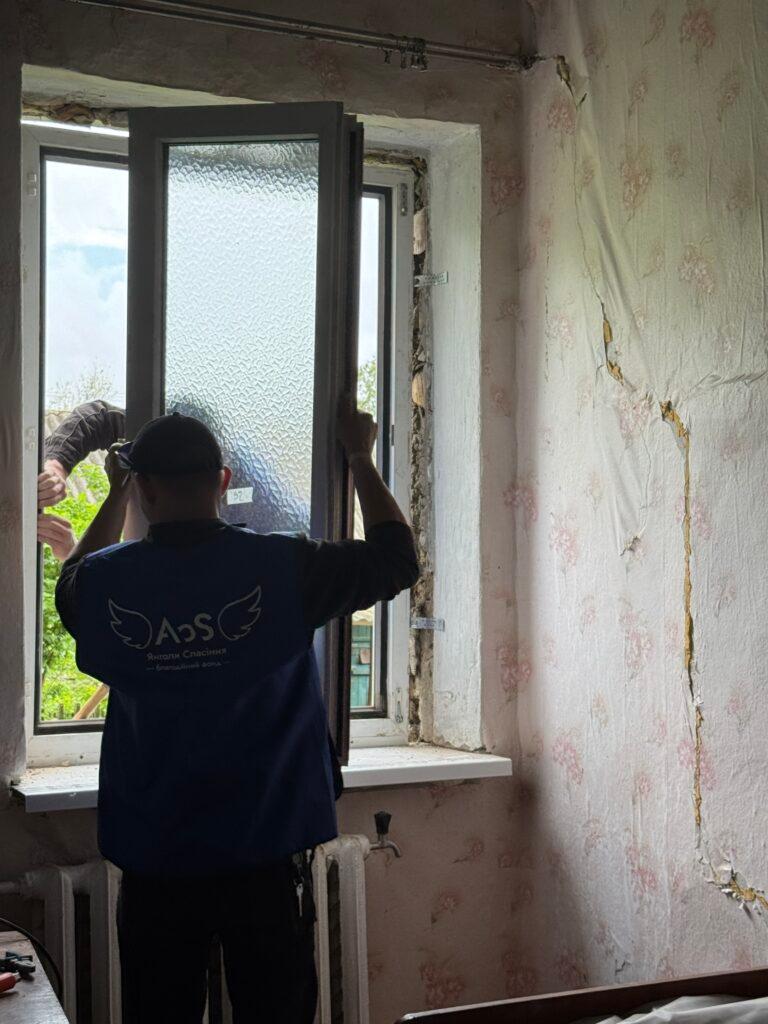
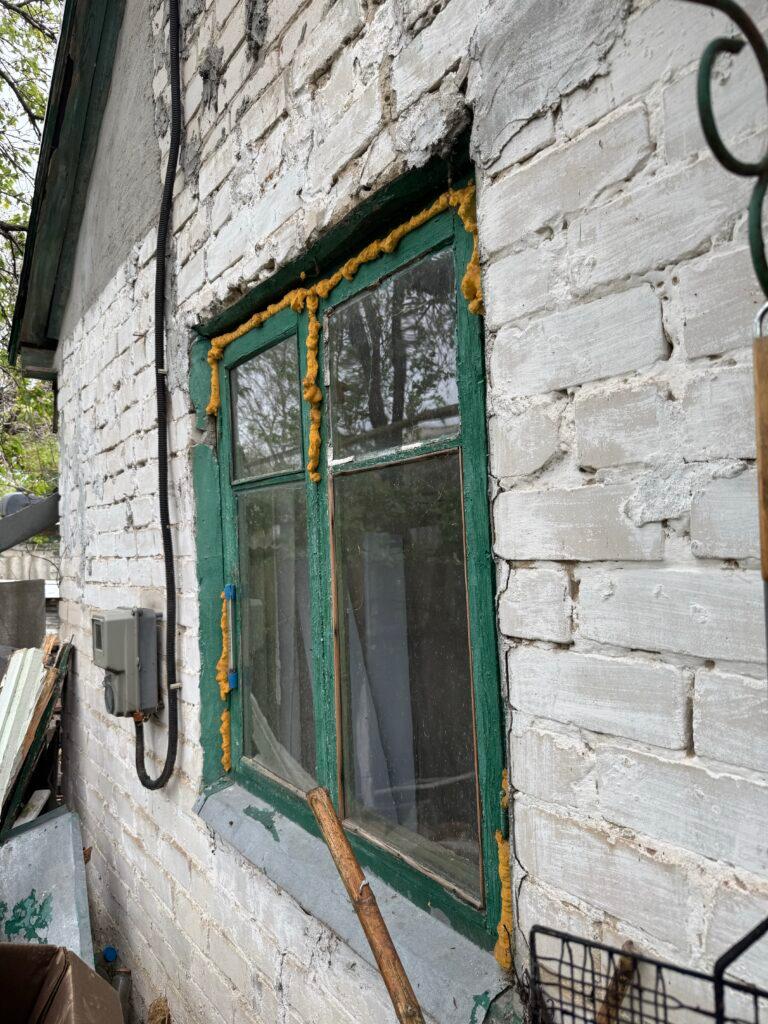
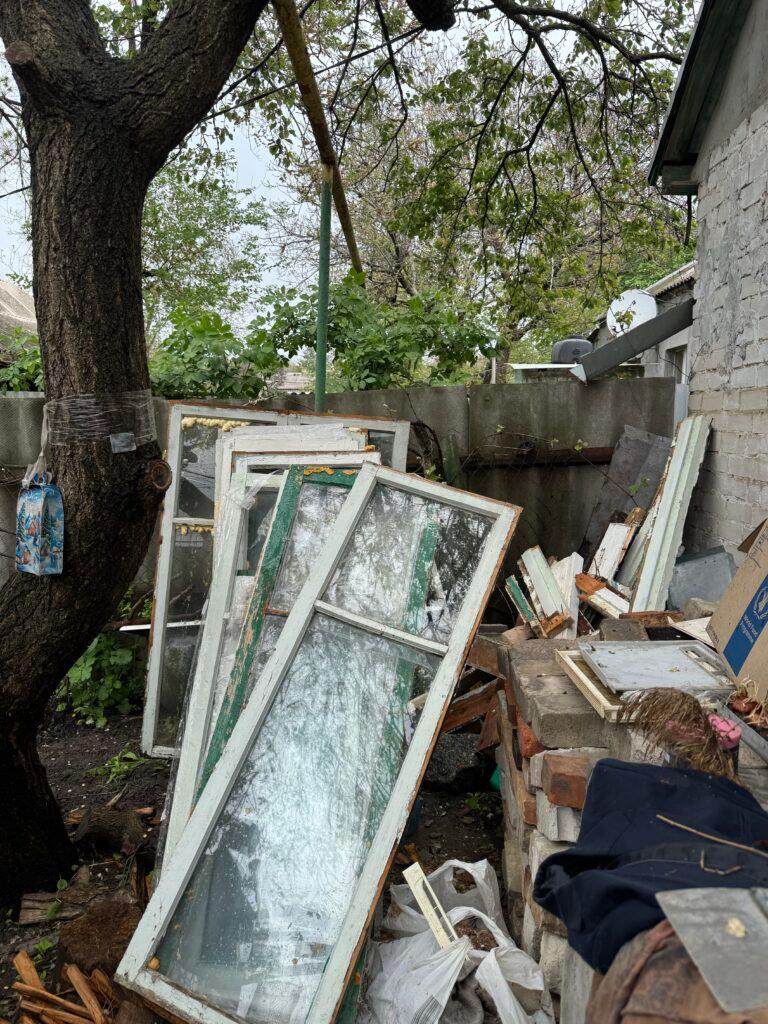
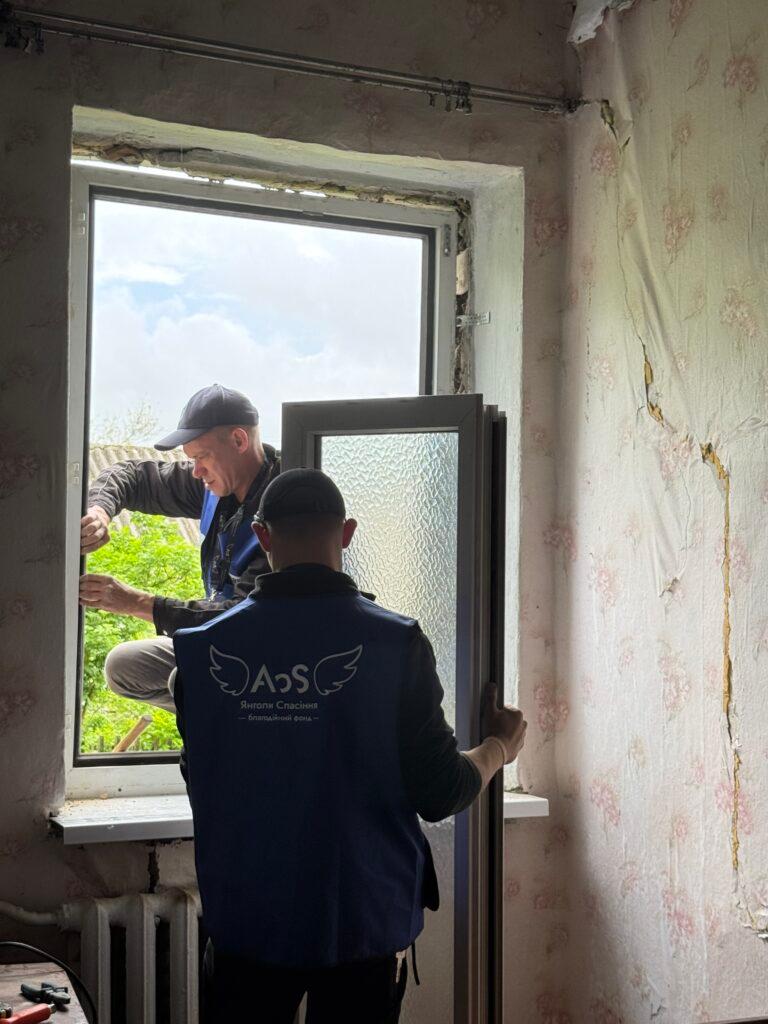
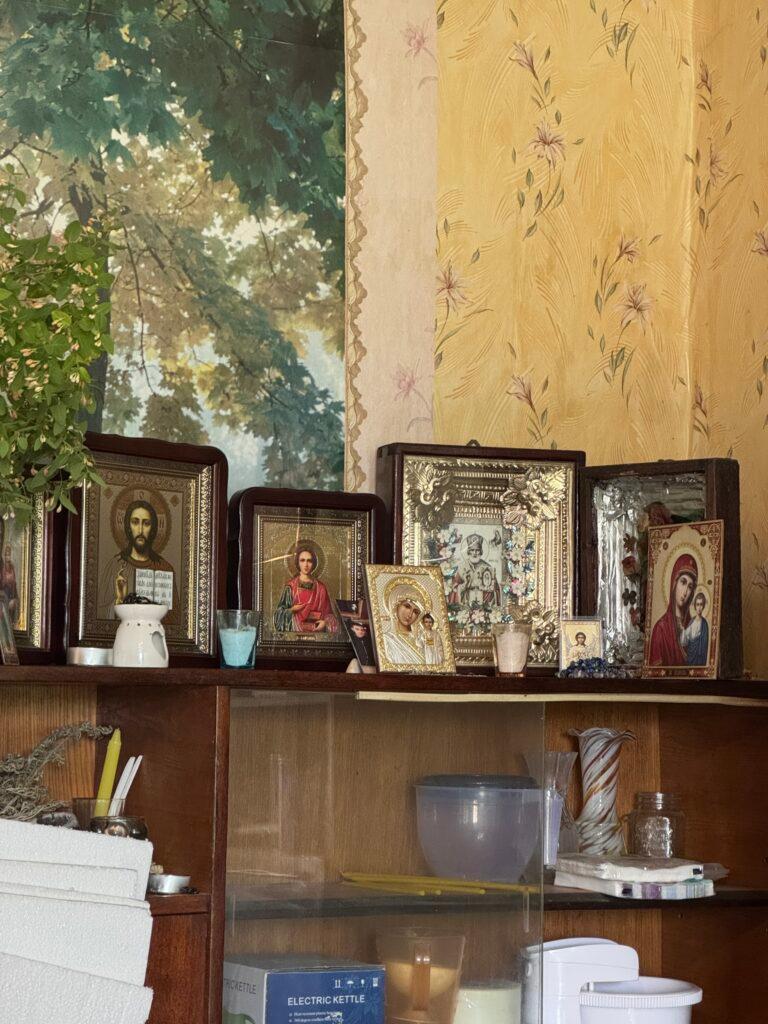
She didn’t care about the condition of the house—it just had to be quiet.
Last month, she was able to buy a new couch on a platform for used furniture. On the day of the interview, the new windows are being installed. They’re made possible by our project—the very reason we’re here.
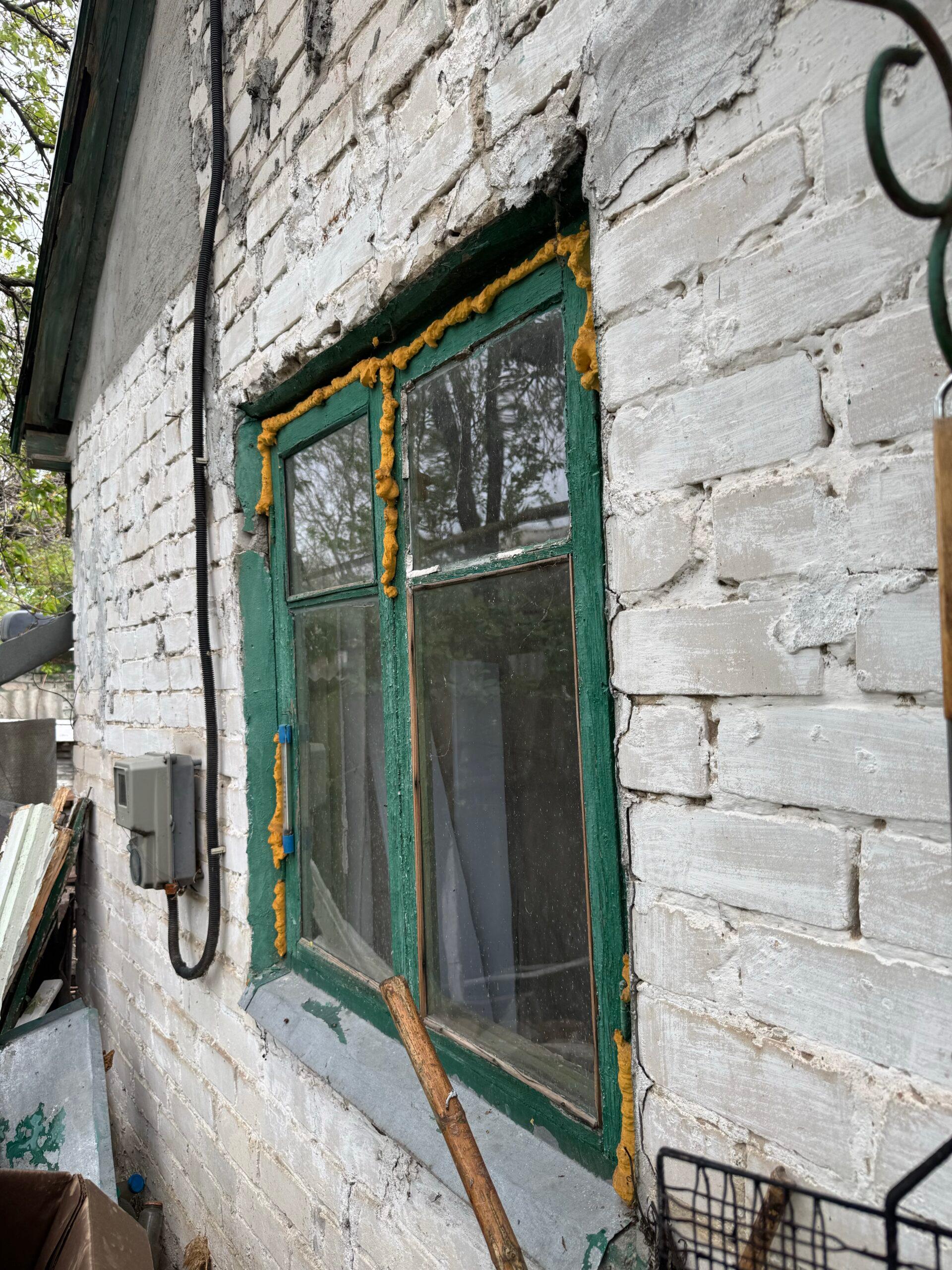
The new windows are also an important step for the family. The old windows were boarded up; no light or fresh air could get through. During the winter months, they could barely heat the house, and everyone got sick.
Time and again, Hannah starts to tell her story and then breaks down in tears. Many of her sentences remain unfinished. What lies in those gaps remains unspoken.
Hannah used to be a devout believer and went to church often. Today, she is struggling with her faith.
“If there is a God, how can he allow all this to happen?”
She was at church just recently and spoke with the pastor. She didn’t get an answer to her doubts.
Hannah feels uncomfortable about her tears. She says that’s not a normal reaction.
We assure her that she is reacting quite normally to circumstances that are anything but normal. Fleeing twice, losing a home twice, raising two children—how could that not leave a mark on a person?
Carry on anyway
Instead of the planned interview, we’ll let Hannah talk about whatever makes her feel comfortable. She talks about her work and how much joy she gets from teaching children.
She tells us about her dog, who was with her when she fled Mariupol and has now had puppies. Since moving into her new home, Hannah has also taken in a cat and another dog.
Hannah has no answers. Not to the question she asked the pastor. Not to the question of what comes next. But she gets up in the morning, raises her children, goes to work, and takes in animals that need a home. Perhaps that is what remains when all the answers are missing: that you carry on anyway.
From

Ira Ganzhorn
Humanitarian Aid Officer