Building institutions in times of conflict
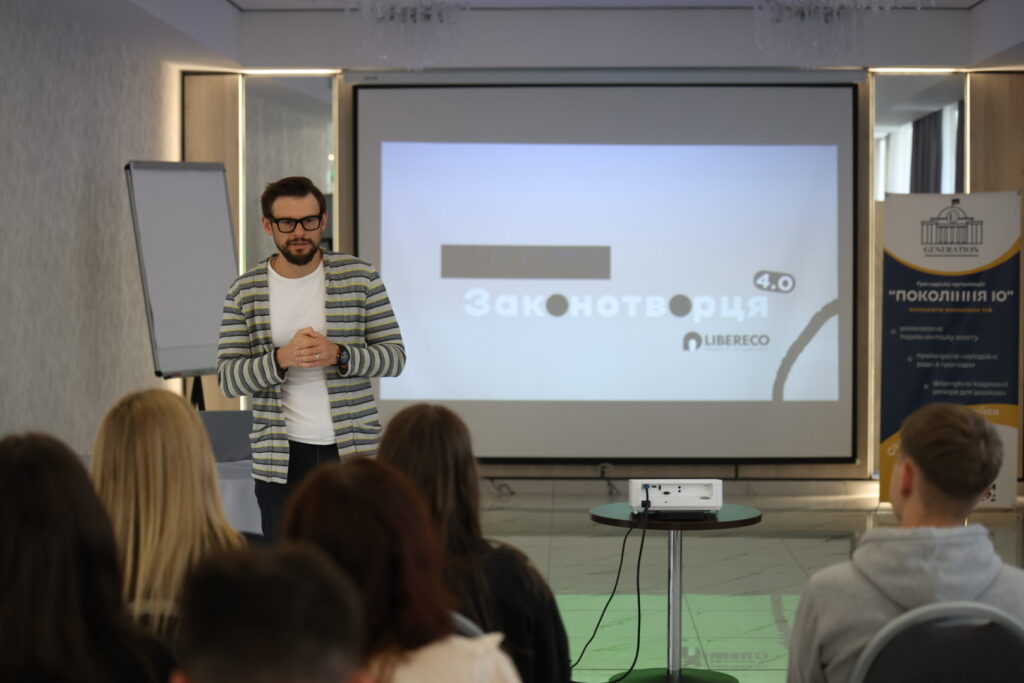
At the School of Lawmaking 4.0, run by our partner organisation Generation U, 30 young Ukrainians spent four weeks online and five days in Kyiv learning how laws are made, and turned that knowledge into concrete legislative proposals of their own.
How does a generation learn to build institutions that stand firm when houses are crumbling?
Civic education may sound like schoolwork, but it is a prerequisite for any form of participation. Anyone who does not know how a law is made, who is authorised to initiate it and at what stage influence is possible will inevitably remain a bystander. This knowledge is not innate; it is either passed on or lost. This is precisely where the ‘School of Lawmaking 4.0’ project run by our partner organisation Generation U comes in.
Decisions are currently being made in Ukraine that will influence the country’s future for decades to come. These decisions cover areas such as the rules governing reconstruction, healthcare, and how to support people returning from military service. Much is being said about the younger generation. Yet they are rarely consulted. Without people who understand how public institutions work, none of these decisions can be made properly — not today and certainly not in ten years’ time.
Politics to Participate
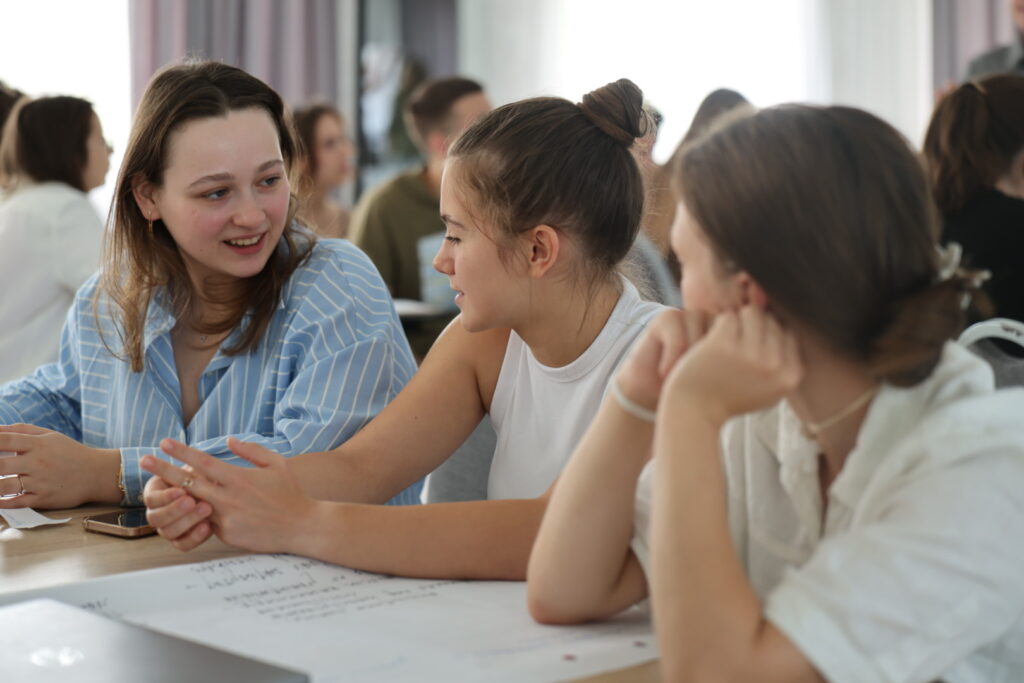
Throughout the project, young people from different regions and of various ages and academic backgrounds met regularly at the ‘School of Lawmaking’ to gain an in-depth understanding of the legislative process. Working in teams and supported by mentors, they developed legislative initiatives. These initiatives addressed issues evident in everyday life in the country, such as cancer screening, teachers’ pay, reconstruction and military service.
The focus was on the legislative process itself, from researching a problem and examining existing regulations to weighing up options for action and turning a well-founded idea into a defensible proposal.
Intergenerational Learning
The significance of the occasion was emphasised by a guest who had witnessed those early days first-hand. Ivan Sajez, a former Member of Parliament and one of the leading figures of the Ukrainian independence movement, spoke about the declaration of independence and how the Ukrainian flag was raised in the Verkhovna Rada for the first time after the end of Communist rule. For the participants, who had only heard stories about this moment, it was an opportunity to hear about it from someone who was actually present in the chamber.
‘Speaking to someone who helped shape the history of Ukraine was a unique experience,’ said one participant. ‘For me, it was also a reminder of why I do this work and why a project like the School of Lawmaking is important.’
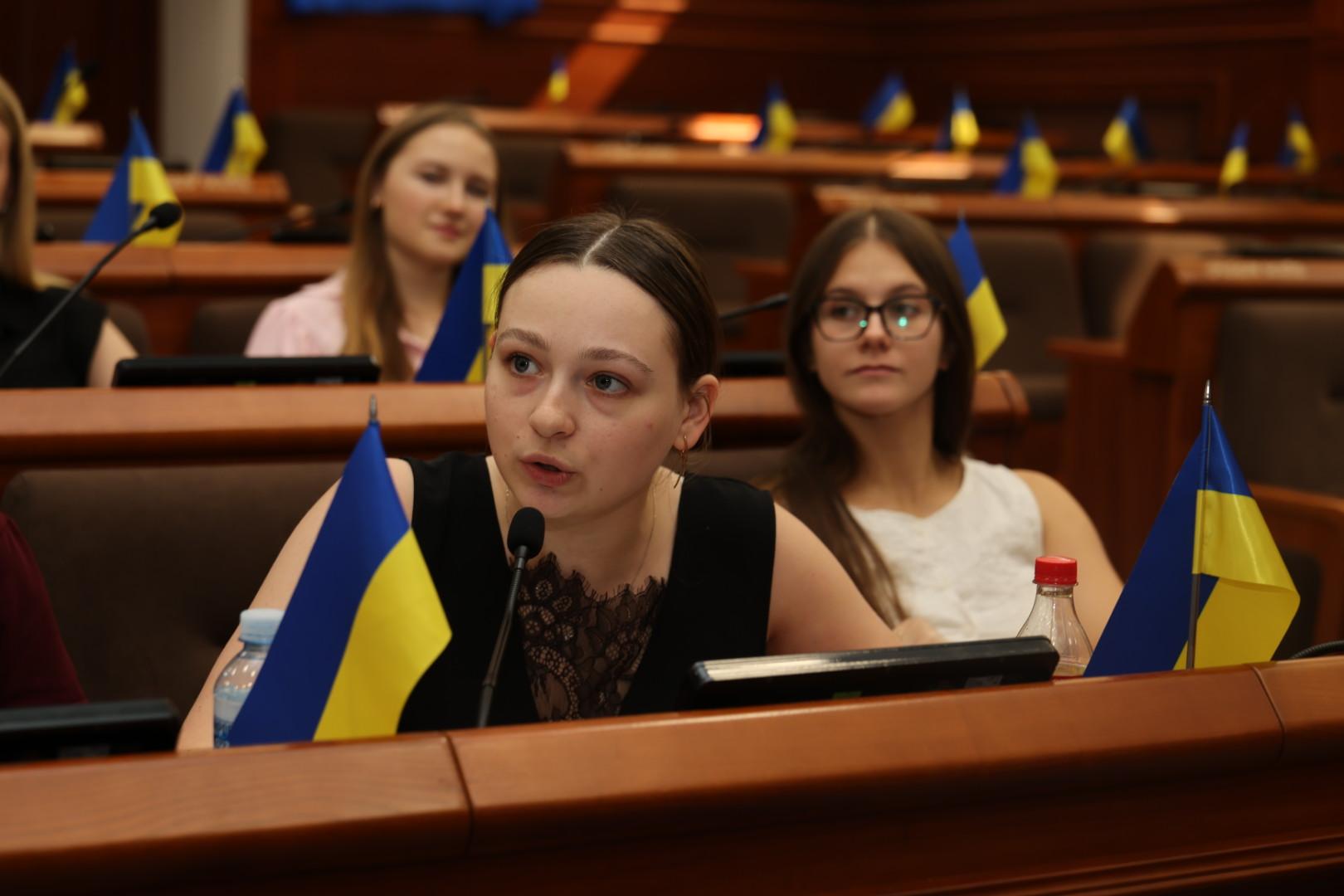
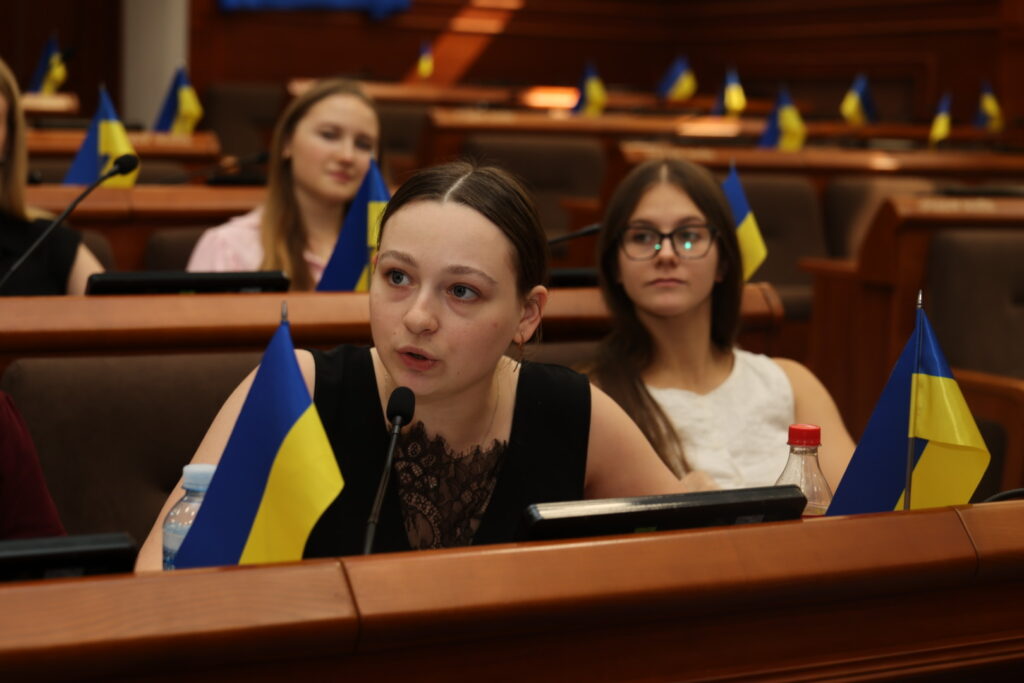
The participants also gained an insider’s view of the institutions themselves. At the Verkhovna Rada training centre, the Ukrainian parliament, they simulated a parliamentary hearing and presented their initiatives there. At Kyiv City Council, they re-enacted a committee meeting, complete with a vote. Thus, what had seemed from a distance like an impenetrable bureaucracy became something tangible: rooms where people sit, deadlines apply, and majorities have to be organised.
The takeaway
The final session of the project addressed the question that inevitably arises after such an event: what happens to a legislative initiative once it has been presented? The honest answer is that there is still a long way to go. This was discussed by the participants with Anna Dorosh, Head of the Minutes Service at the Ministry of Health, and Viktor Sipeyev, an adviser to a Member of Parliament.
One participant put it this way: ‘The most practical part was developing a legislative proposal ourselves. Next come the technical review and the advocacy work. We’ll carry on!’
This is precisely why what has been achieved over the past few weeks is so important. Young people now know what this path looks like, where it leads, and when they can embark on it themselves. The effects of political education are not felt on the day of the final presentation, but in the years that follow, when those same people are sitting in ministries, editorial offices, local councils and organisations and remember that rules are made by people.