
How do you survive winter in Kharkiv?
I am sitting in the passenger seat next to my friend Ivanka. Suddenly she says: “Don’t put on your seatbelt.” I laugh. “Is that a new law in Kharkiv?” She answers seriously: “It depends what you’re more afraid of – a car accident or not being able to get out of the car quickly enough during a Russian drone strike.” We laugh. But we don’t buckle up.

Kseniia Levadna
Public Relations Officer
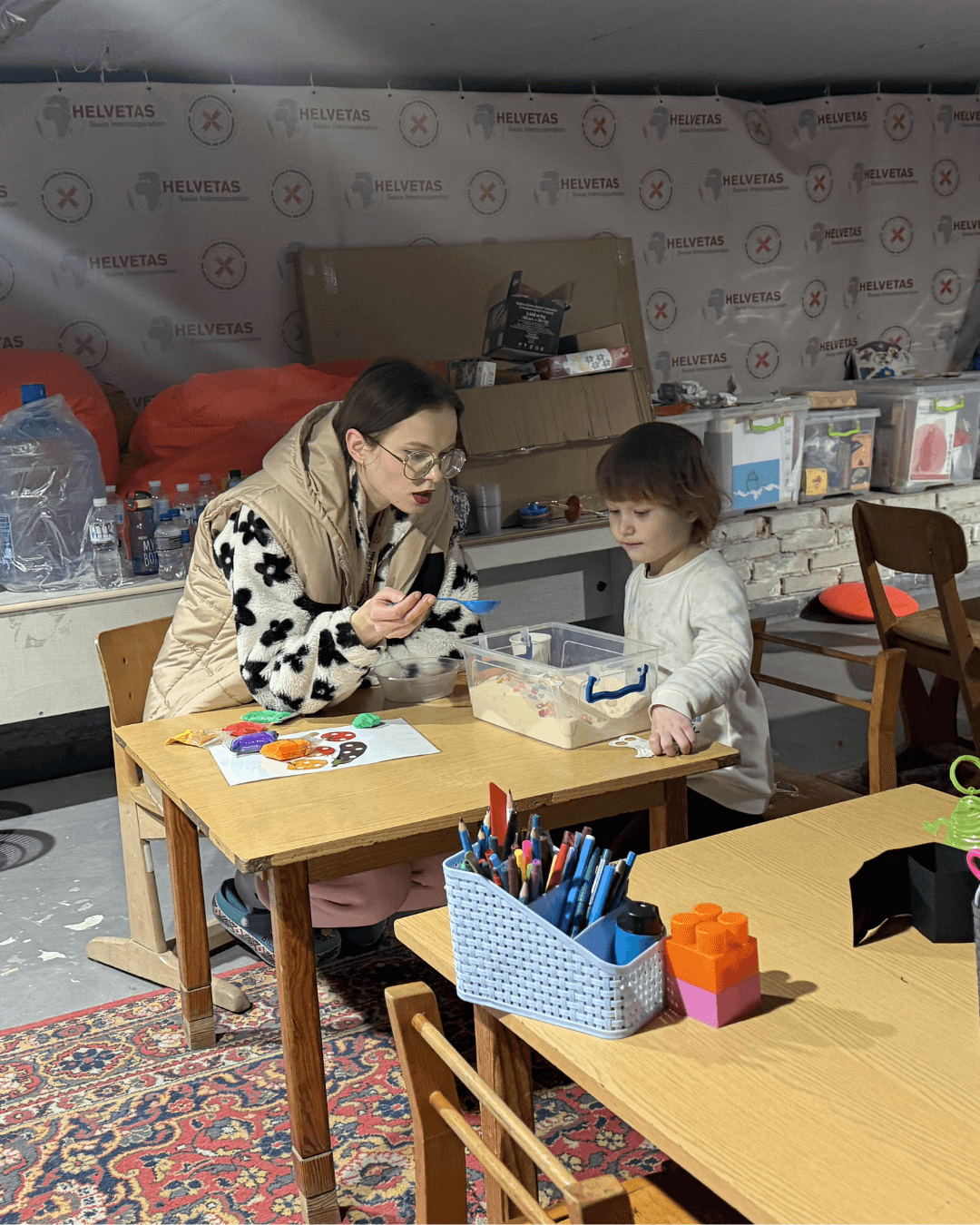
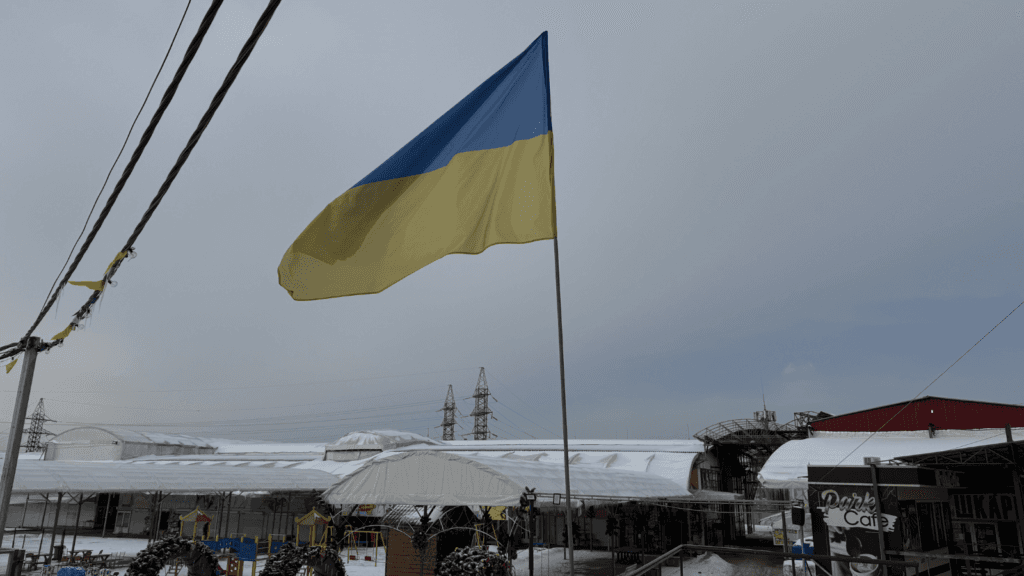
Kharkiv – a big city in eastern Ukraine, just 40 kilometres from the Russian border – lives with this contradiction: the rules still exist, but in wartime every rule comes with an extra condition.
Outside, on this winter day, it is minus 24 degrees. Inside my flat, it is plus 12. I start to write a list in my head: rules for surviving winter in Kharkiv.
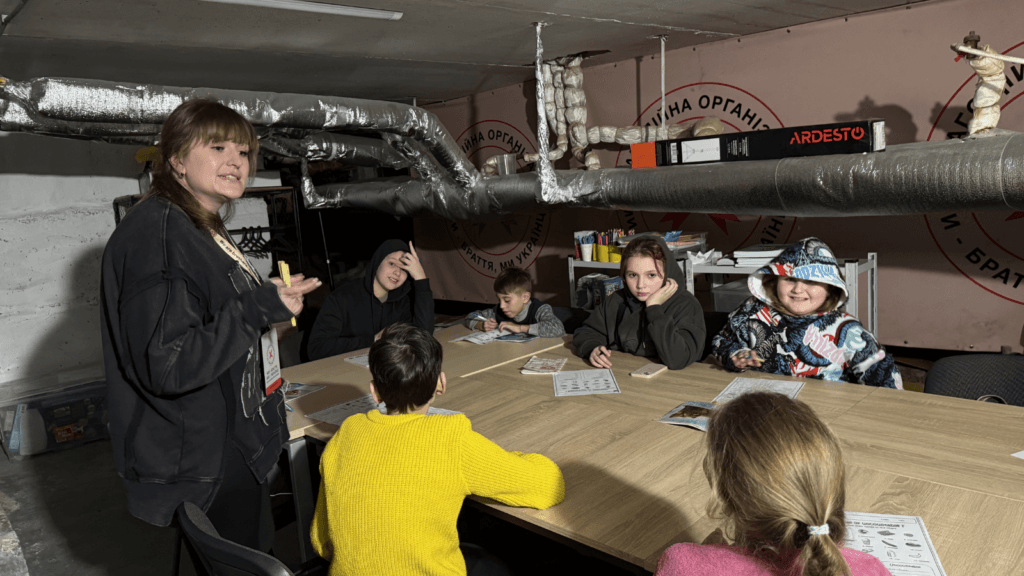
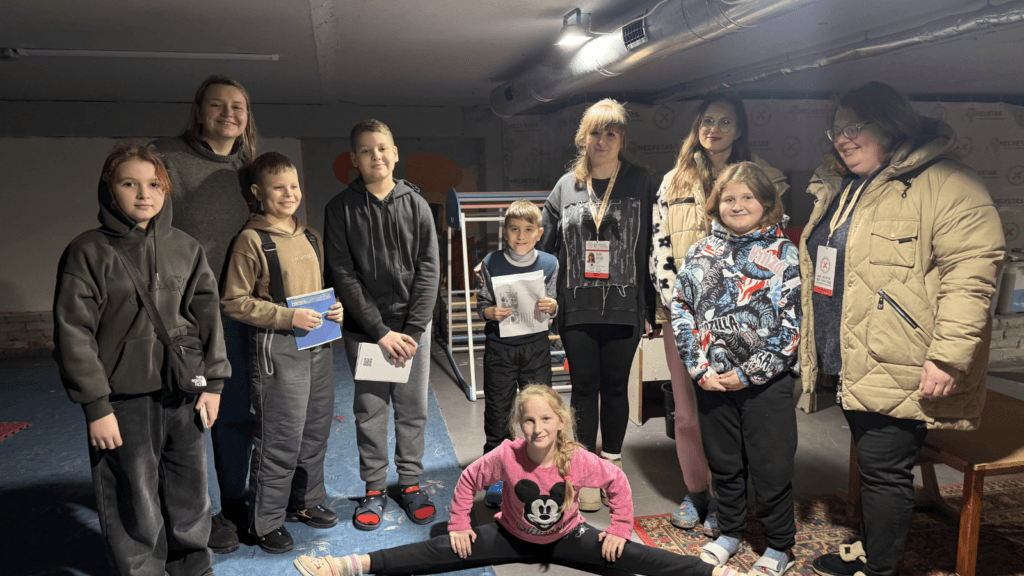
Russia is not only attacking infrastructure – it is trying to break people’s mental strength. Cold and darkness turn homes and offices into cramped, silent spaces. No one knows how long this will last. And yet, people still find ways to keep going.
Rule 1: Don’t buckle up – or decide what scares you more.
Rule 2: Be prepared for everything.
Daria from our partner organisation WBWU tells me, half joking: “The most important thing for people here is a timetable – a plan for shelling, power cuts and heating outages.”
But none of this can really be planned. This week, thermal power plant No. 5 was hit – large parts of the city are now without heating. On another day, a hacker attack caused a power outage in almost all districts.
Fotos aus dem Archiv von Kseniia Levadna
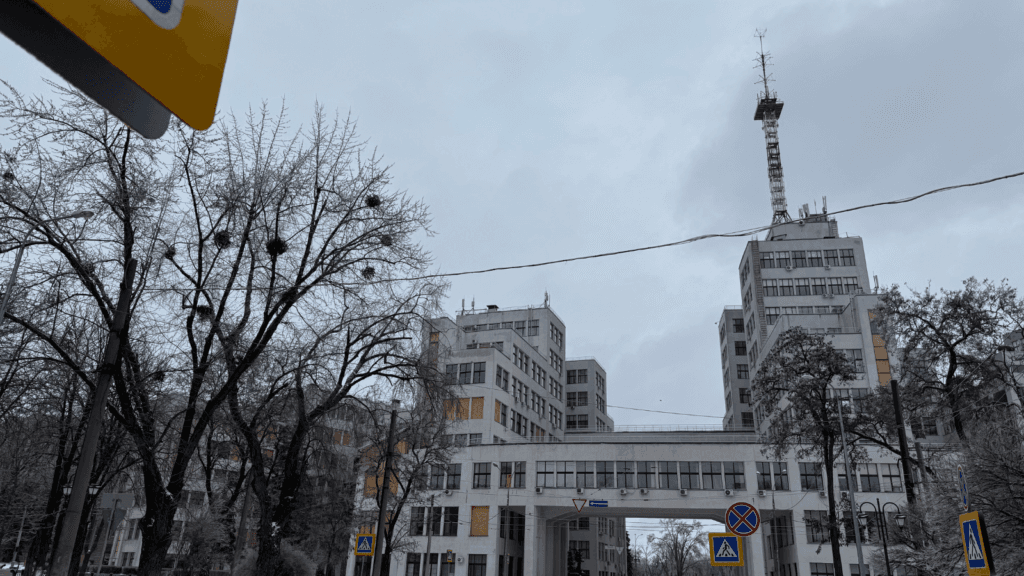
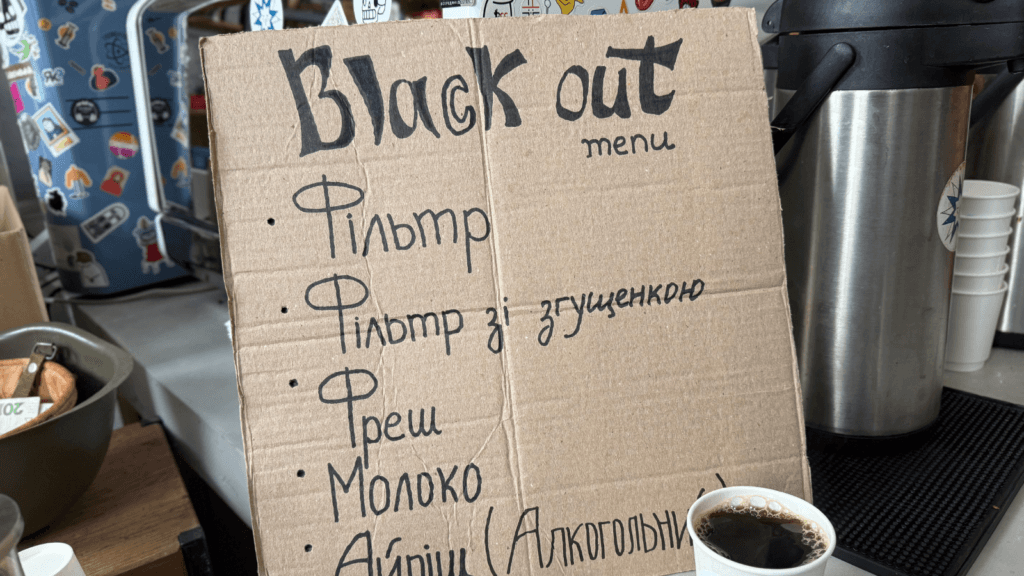
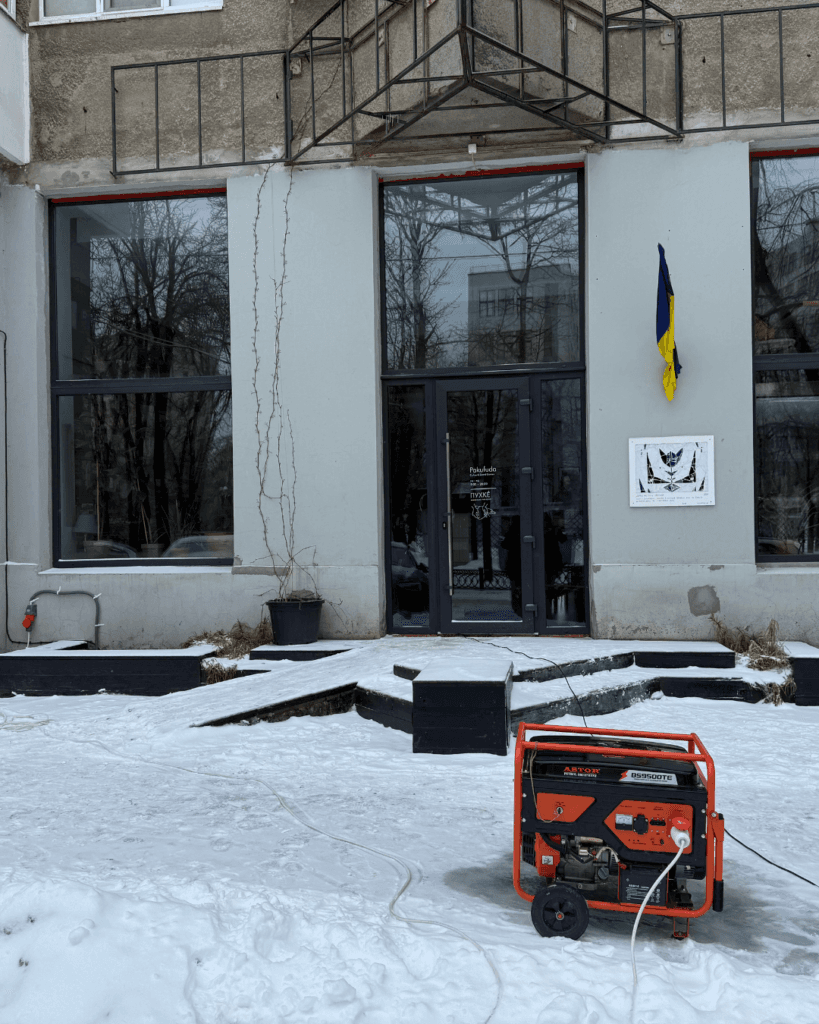
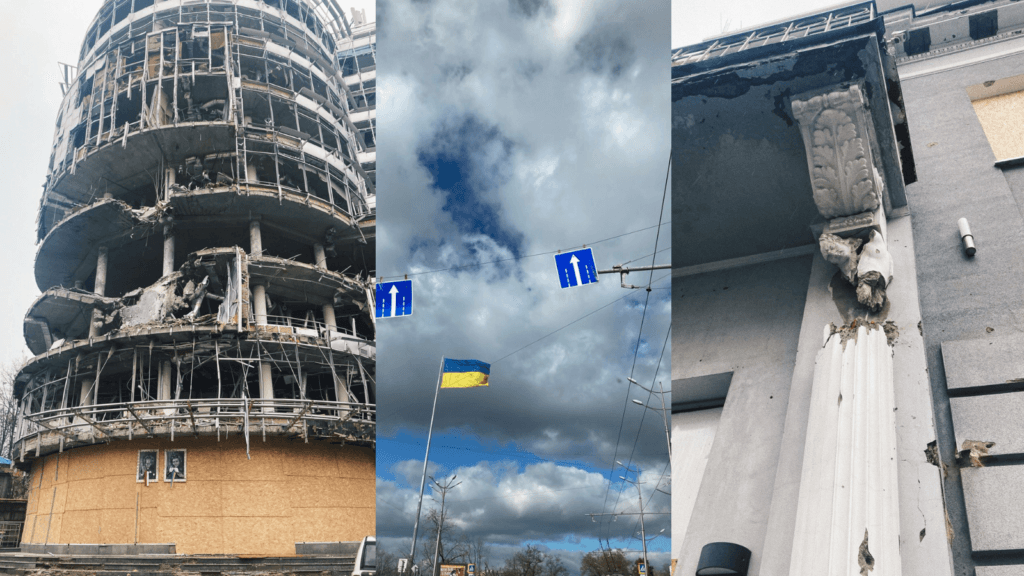
Rule 3: If you want to shower, get up at four in the morning.
As soon as the power comes back, everyone does everything at once: heating water, charging devices, doing laundry. No one wants to miss their chance, because no one knows how long electricity and water will stay on – getting up early is the safest bet.
Rule 4: If you walk, wear reflectors. If you drive, learn to drive in the dark and on ice.
Without power, traffic lights and street lamps don’t work. The streets are no longer cleared and are covered in ice. Every junction becomes a test of patience and caution. As a pedestrian, you are invisible in the dark. Reflectors can save your life.
Rule 5: Stick together.
A meeting over coffee or wine, where you can openly say that you are afraid, is vital. To be allowed not to be strong all the time. To remain human.
Rule 6: Find ways to calm yourself and the people you love.
Albina from the organisation X Traverse recently had a baby. Together with her partner Ruslan, she organises evacuations from areas close to the front line. Despite the danger, they keep going.
Albina says: “The most important thing is that my powerbank is charged – so I can play my son a lullaby.”
From

Kseniia Levadna
Public Relations Officer